
Marble Hill is a little, unknown community at the border between the Bronx and upper Manhattan.
On nice summer days, you can see Columbia University’s crew team gliding through the green waters of the Hudson River, which blissfully surrounds the community in summer and bitterly isolates it in winter.
The winding streets of pretty private houses lined with flowers and trees and the contrasting squares of graffiti-covered housing projects, show you what it was, what it is, and what it can be.
In the summertime, you can always hear a car blasting merengue by the corner bodega, where the men are playing dominoes and drinking cerveza in the afternoon sun. The kids are hanging out in their usual spots, playing with the big waterguns you find at Orchard Beach and pumping hip-hop from someone’s system. Or else you can watch the daily basketball games at the park where everybody gets together-it’s right across the street from St. Stephen’s Methodist Church where the attendance is always great every Sunday for the African-Americans’ service in English.
Down by Broadway are the “chinitos,” Asian grocery stores where las seoras can find anything (in the comfort of their own language) from Goya products to ginseng tea.
Around 5 p.m. every weekday, you’ll be swept away by the crowd coming home from work on the #9 train. You’ll pass the closed-down laundromat on 225th Street where pictures and fresh flowers lie in the doorway in honor of a man that was killed here.
Looking out from Terrace View, past Kennedy HS and the tall buildings of the promenade, over the greenery of Inwood Park in upper Manhattan, the pale sky is now a mixture of yellow melting into pink and orange and red. You’re forgetting about the shattered beer bottles you had to keep your little cousin away from at the park and the crack vials you found in your backyard at the barbecue. You’re forgetting about the police barricade at the laundromat and thinking instead about the little old lady walking her dog, smiling at the little kids riding their tricycles, and about the fresh flowers lining the doorway, symbolizing something that hasn’t changed and will remain untouched.
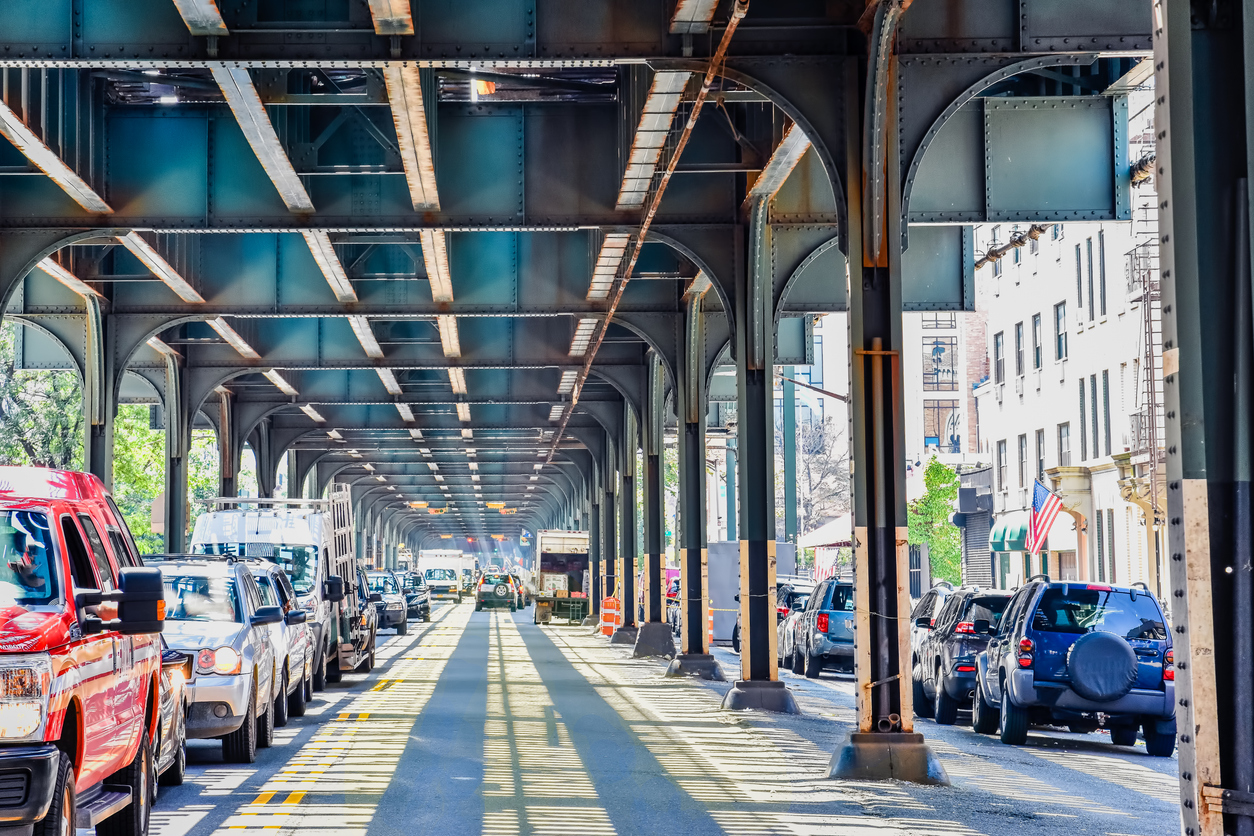
The View from Marble Hill
About These Stories
YC runs intensive nonfiction writing programs for teens in New York City, where they’re mentored by a professional editor to write personal stories about their lives and about issues that affect young people. Their stories are then published and read by thousands of teens, educators, policymakers, and other adults who work with and for young people.