
Over the summer, parents of elementary students at the Bronx New School in Bedford Park received an alarming letter from the Department of Education. It said that the building where their children had been attending school was contaminated with a toxic chemical and would be closed.
The land where the school was built was an industrial site until the city leased it in 1991. Recent tests on soil vapor underneath the building showed that levels of trichloroethylene, an industrial solvent, were 10,000 times higher than New York State considers safe. At a meeting with parents on August 18, pediatrician Dr. Nathan Graber outlined the possible health effects of trichloroethylene: “You can experience dizziness, headaches, nausea, and vomiting, and for the long term health effects, we’re mainly concerned about the risk of cancer.”
It’s not the first time the city has had to close a school because of industrial contamination. And this year the city agreed to a 10-year clean-up plan to rid hundreds of schools of polychlorinated biphenyls (usually called PCBs), chemicals that are linked to cancer, nerve damage, and impaired brain function. If you think that “environmental issues” affect only polar bears and rainforests, these realities should change your mind.
Breaking the Toxic Cycle
In this issue of YCteen, we looked at the toxic chemicals that are all around us-if not in our school, then in our plastic water bottle, our favorite moisturizing cream, or that new piece of furniture we bought from the bargain store. And because they’re all around us, they find their way into our bodies.
Scientists have coined the term “body burden” to refer to the total amount of toxic substances found in a person’s body-substances that have been ingested, inhaled, or absorbed from the environment. For instance, research has shown that American teen girls have a high body burden of chemicals that are widely used in makeup and personal care products (” Your Toxic Beauty Regime “).
This might surprise you. we’re used to thinking of “pollution” as something that happens when a factory dumps waste into a river, a big car belches exhaust into the air, or a careless picnicker litters in the park. But pollution doesn’t end there. That factory waste seeps into the ground and poisons the air in your school. That car is powered by gas extracted in a process that contaminates water supplies (see ” What the Frack?! “). Those pieces of litter find their way to the ocean, where they are eaten by creatures that become your next Filet-O-Fish (see ” America: Trashing the Globe “).
We live in an interconnected world where the environment is personal. The modern phenomenon of mass production brought with it a slew of chemicals and pollutants that pose threats not just to our ecosystem, but to our individual health. Toxicity is the price we pay for the conveniences and comforts of the 21st century.
But it doesn’t have to be so. This issue also explores how people are drawing attention to toxicity in our daily lives and putting pressure on the powers that be to better protect our health-whether it’s young people in the organization Teens Turning Green (” It’s Easy Being Green “), New York City with its MillionTreesNYC initiative , or the local organizations cooperating with the Environmental Protection Agency to revitalize Brooklyn’s polluted Gowanus Canal (” The $500 Million Makeover “). We hope such stories will inspire you to make healthy changes in your own life, and become an advocate for a non-toxic future.
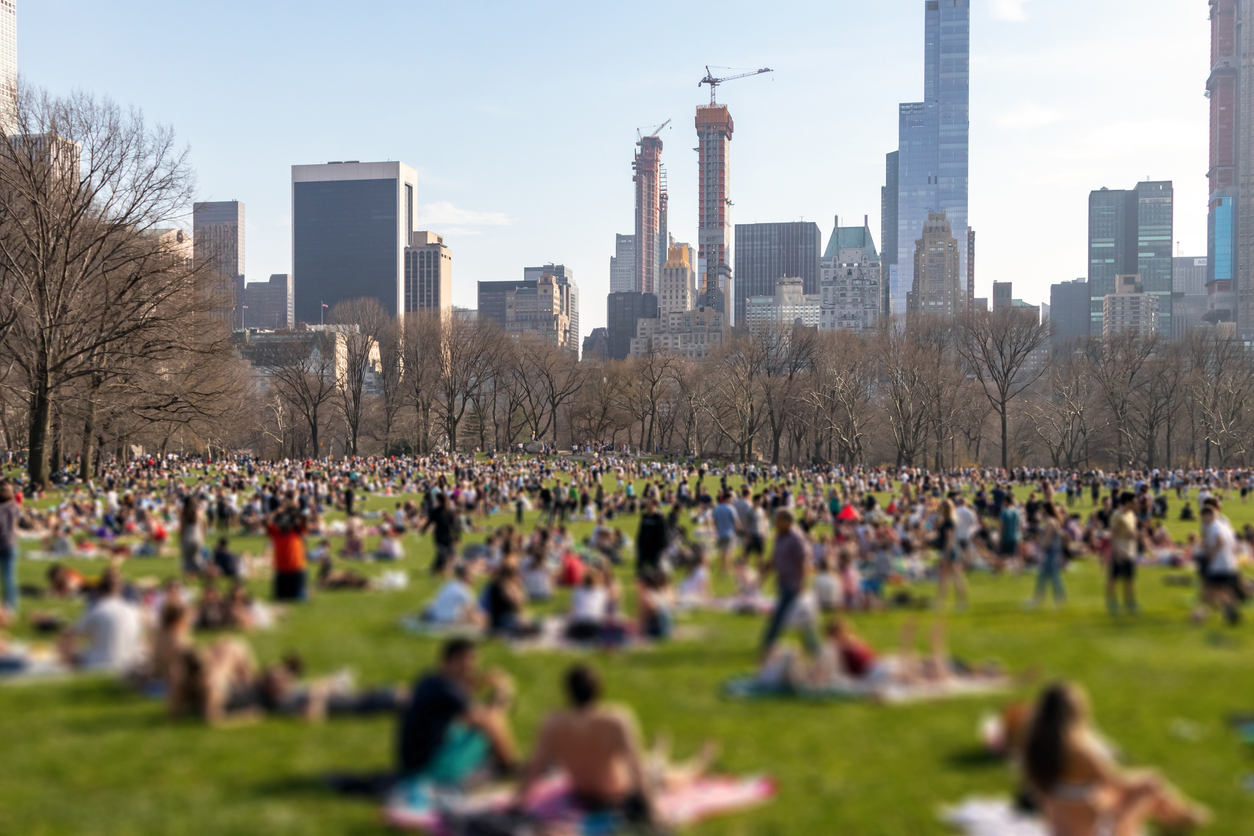
The Environment: It’s Personal
About These Stories
YC runs intensive nonfiction writing programs for teens in New York City, where they’re mentored by a professional editor to write personal stories about their lives and about issues that affect young people. Their stories are then published and read by thousands of teens, educators, policymakers, and other adults who work with and for young people.