
I’m white and I’ve lived in the projects my whole life. Right now, I live in Washington Heights, a neighborhood in New York City, in an apartment I got after I aged out. I love it out here. The food is great, the people are nice and there’s always something to do. The majority of the people here are Dominican, and I get by just fine.
I’m proud that I live in the projects. It’s a place to call home, and once you’re known to the people in the building, they show you mad love. When I get off from work, I usually catch the guys from my building sitting on the stairs. “Whiteboy!” I hear as I enter the building.
“What’s good y’all!” I shout back. I give everyone pounds and keep it moving. We are all people and the only difference is the color of our skin.
But not everyone has good experiences in the neighborhoods they move to, or with being a minority in their surroundings. I’ve seen for myself that sometimes you get treated unfairly where you live because of differences in language, skin color, the music you listen to or how you dress.
Like, since I’m white, people sometimes think I’m an undercover cop. Not all white people are cops!
When you move to a new neighborhood where you’re the minority, you have to try extra hard to fit in. Kids coming into care are already stressed, so having race issues on top of that can make things unbearable.
In this issue, Represent writers take a look at how being in care and racially different from our surroundings can have a major impact on our lives. It can be a positive impact, like the chance to learn a new culture, make new friends or find a good home. But we also describe feeling stress, loneliness and anger at being made to feel different from the people around us, and some of the ways that we try to get by and adapt.
Even though we’re from different races, it doesn’t mean we’re different inside. If you’re in the minority where you live and get it rough, you are not alone!
-Fred Wagenhauser
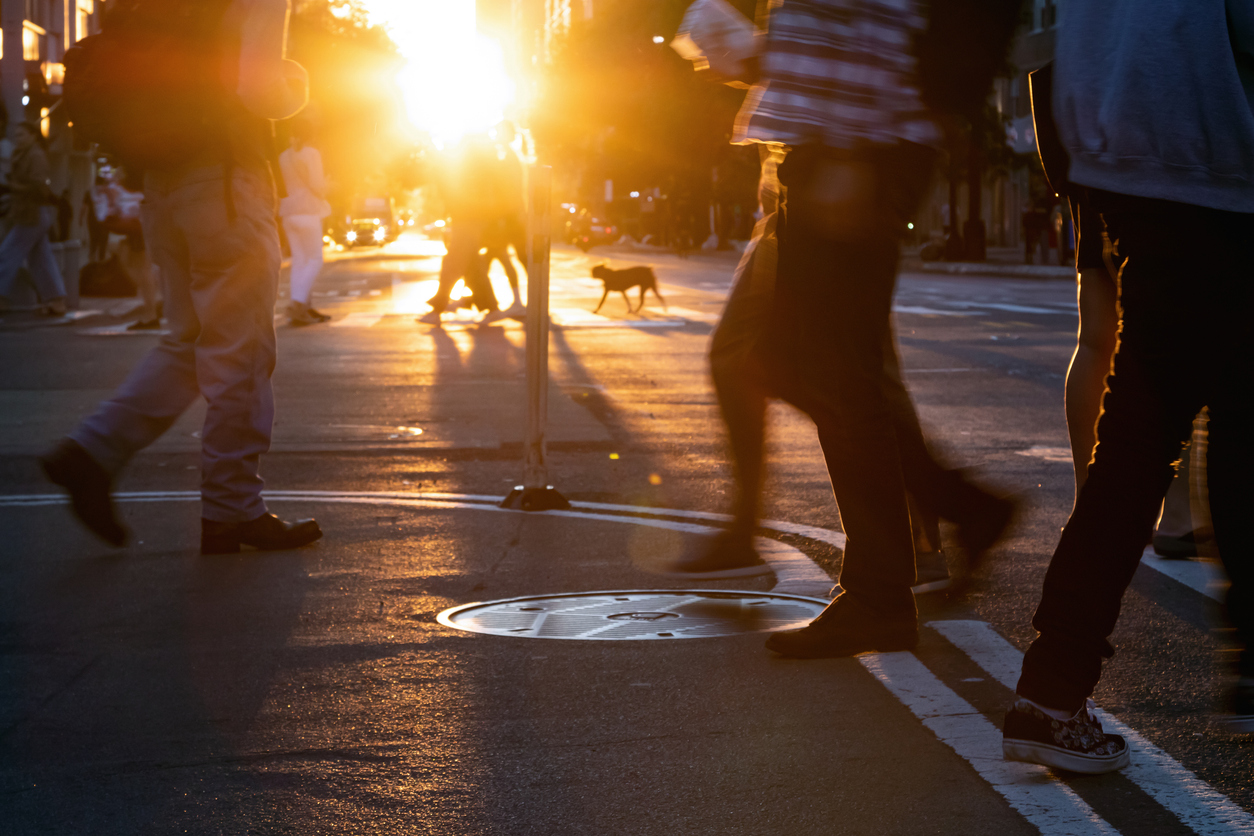
Standing Out: When race sets you apart.
About These Stories
YC runs intensive nonfiction writing programs for teens in New York City, where they’re mentored by a professional editor to write personal stories about their lives and about issues that affect young people. Their stories are then published and read by thousands of teens, educators, policymakers, and other adults who work with and for young people.