
For five months last year, 1st Lieutenant Anita Barone was stationed in Iraq. There she experienced 120° F heat and sandstorms, and she felt death much more closely than she’d ever felt it before.
Anita is the daughter of my old high school principal, and when Anita was a freshman at Penn State University, she joined Senior ROTC (Reserve Officers’ Training Corps) in return for an ROTC scholarship. When she graduated, she received the rank of lieutenant.
Anita joined ROTC and later the Army because, she said, “I needed the leadership and confidence that I didn’t gain in high school.” Because she had a college degree, she was immediately given the rank of officer and had both men and women serving under her.
Anita also joined the military to see what it would be like to be willing to give her life for a higher cause. Anita is committed to her work, but she still talks honestly about the hard experiences she’s had. I interviewed her by phone about her time in Iraq (she’s now stationed in Oklahoma) to show young people who are thinking of joining the military what military service can be like.
Scary to Cross Border
In 2003, when she was 23, Anita’s platoon arrived in Kuwait, just south of Iraq. Soon after they arrived, they crossed the border into Iraq. “It was scary crossing the border,” Anita said, because it was just their unit and the open desert with no road signs. That’s when they really realized that this mission was no walk in the park.
During the day, the air they breathed was extremely hot, sometimes up to 125° Fahrenheit in the sun. Even at night, it was constantly hot. In August when it got really hot, they all lost their appetites.
Anita’s platoon ran a mobile warehouse. They would supply any military unit in the area with a new tire or whatever they needed.
Anita and her platoon were lucky never to see combat. But on their transportation missions, when they’d drive for 14 hours at a time, they did see a lot of evidence of fighting: abandoned American vehicles, shells from tanks and missiles, and rocket pods just scattered in the desert.
Dead Bodies by the Road
They also passed small abandoned cities that Iraqis had recently fled. There’d be maybe 10 buildings in a row and then another row of buildings behind that. All the living people were gone from these cities, but sometimes on the sides of the road, Anita and her platoon would see three or four bodies of dead Iraqis.
“The ones I saw were right by the road, as if someone had just pushed them off,” she recalled. “When there was one, there were always moreâbut I never wanted to look closely,” she added. Sometimes, though, she thought that she could smell the dead bodies.
Anita tried to distance herself from the bodies she was seeing so that she wouldn’t have to think too much about death. She hadn’t seen those men alive and running around so she tried not to think of them as real people.
She also thought that maybe some of those dead Iraqis had killed some Americans. (If they didn’t want to fight, they would have left when everyone else did, she figured.) She didn’t want to feel too sorry for them.
Anita also saw a lot of poverty in southern Iraq. People lived in houses that looked like “Igloos made out of cement,” she said.
Are Iraqis Happy to See Us?
When her platoon went into cities where people were living, many Iraqis seemed glad to see the Americans. Anita and her platoon felt good when Iraqis waved little American flags. But even though the people seemed happy to see them, sometimes someone would throw a small explosive at Anita’s platoon.
“The concussion of it would make one of the trucks swerve a little off the road,” she remembers. Nothing serious happened to Anita’s platoon as a result of these explosives, but the danger was real. Many U.S. soldiers who have been killed or injured in Iraq were on the road rather than in combat.
After those explosions, Anita felt unsure whether to trust the people waving at her and cheering. “Did these people come out and wave and then go in the house and get a grenade launcher to attack us?” she’d wonder.
On the nights when Anita’s platoon was convoying, they’d have to sleep out in the middle of nowhere on cots either next to or under their trucks. It was pitch dark and they weren’t allowed to make any noise or use electric lights because they were afraid of being attacked. “It was very lonely,” Anita told me.
Another thing that was new to them was the frequent sandstorms in the desert. Many of the soldiers would place their cots near the truck in whichever direction they thought the wind wouldn’t blow, to keep from being covered in sand in the morning.
Lists of What She Missed
When Anita’s platoon wasn’t traveling, they would stay at well-barricaded U.S. military bases where life was easier. In the evening, when they had free time, they’d play games like dominos. People would even have 5K races.
For a little while each day, Anita wanted to forget everything that was going on around her, so she’d make lists like a crazy person of the things she wanted to do when she got back home. She’d write: “1. Call parents. 2. Buy a car.” She’d put 30 or 40 things on a list. She also made lists of restaurants where she wanted to eat and outfits she wanted to wear. She’d write the lists over and over again.
Every now and then, people at home would mail her magazines like Glamour and everyone would want to see them. Seeing all that fashion was a nice change from their drab Army gear. But most of all, people wanted to smell the perfume samples, to get a little whiff of luxury.
Under Attack
During the day, Anita’s platoon felt pretty safe in the fortified areas. But when they’d gone to sleep, sometimes they were attacked by Iraqis. “We’d wake up and realized we’d been mortared,” she said. A mortar is a small hand-carried, rocket-propelled grenade.
The Iraqis were launching the grenades from far away, so usually, the grenade didn’t hit anything and nothing much happened. Sometimes, though, a grenade would hit a building, and when the soldiers woke up in the morning, they’d see the debris and the area would be roped off. Once in a while, someone would get hurt by flying debris.
At first, Anita was mad that people were trying to hurt them. “Then it became more of a nuisance and we were just tired of hearing the alarm going off,” she said.
Pretending to Be Calm
Even though life in Iraq was hard, the soldiers in Anita’s platoon didn’t often complain. They all had to act in good spirits to keep up everyone’s morale.
If one soldier started crying, another one would get scared, and before you knew it, everyone would be scared out of their wits and wanting to go back home. So Anita would never say something like, “Man, that mortar scared the crap out of me and I don’t want to die.”
And even though Anita and the other officers often didn’t know what was going on or the purpose of the orders they received, they pretended to so that the soldiers would feel calmer.
It helped Anita feel better, too, to pretend she felt in control. The times when Anita was able to talk to her parents on the phone, she felt vulnerable and realized the danger she was in. But when she rejoined her unit, her fears faded away. Because everyone was in the same situation and acting normal, it seemed more OK.
You Just Deal
When you’re stationed in Iraq, Anita told me, “You certainly cannot call a cab. You cannot go to the airport and go home. You cannot just quit.” Instead, she said, you just deal.
The one time that the soldiers in Anita’s platoon were faced with the death of one of their own-their battalion commander-they also had to just take it and move on.
“After breaking the news to my platoon, I looked at them very closely for a reaction to worry about. They listened and sat for a while, but that night they were back to playing dominos. They just needed a good half hour.”
Anita joined the Army because she wanted something to believe in, but she has mixed feelings about the war in Iraq. She feels good about some things. “We got rid of an extremely cruel regime and we’re now bringing democracy to Iraq,” she said.
She also feels good “that we are building schools, irrigating farms, building roads and bringing in commerceâWe are building a country from scratch.”
Doubts About the War
But Anita has doubts. She said she doesn’t believe everything our government told us about the kind of threat Saddam Hussein posed to the United States. “I don’t think anyone really thought Iraq was going to bomb America,” she said. “We really did come in without their permission,” she added.
Anita said that the people in her platoon have mixed feelings, too. Some of them are volunteering to go back to Iraq, some don’t want to go back and some are getting out of the Army so that they won’t get sent back.
Some of the soldiers and officers are leaving, Anita said, because they don’t believe in the war. “They feel like they’re being played with, and they feel like we’re using the Army for the wrong reasons.”
Anita sympathizes with them, especially the ones with children. “I can’t blame them since they have a lot to lose,” she said. But she also feels bad, because the fewer people in the military, the more pressure gets put on the ones who remain.
Ready to Go Back
Anita hopes that the next time she’s sent somewhere, it’s for something that she feels “passionately about. I hope, at least, I feel like I’m defending my country.” But Anita is still ready to go back to Iraq. I was amazed at how confident she was about putting her life on the line for her fellow soldiers.
Before she went, she’d listened to war stories from soldiers who had been in the 1991 Persian Gulf War and in Somalia. “I wanted the knowledge they’d gained,” she said. Now, she told me, “When I hear about soldiers who got killed or seriously injured, I feel a little guiltyâmaybe I didn’t sacrifice enough.”
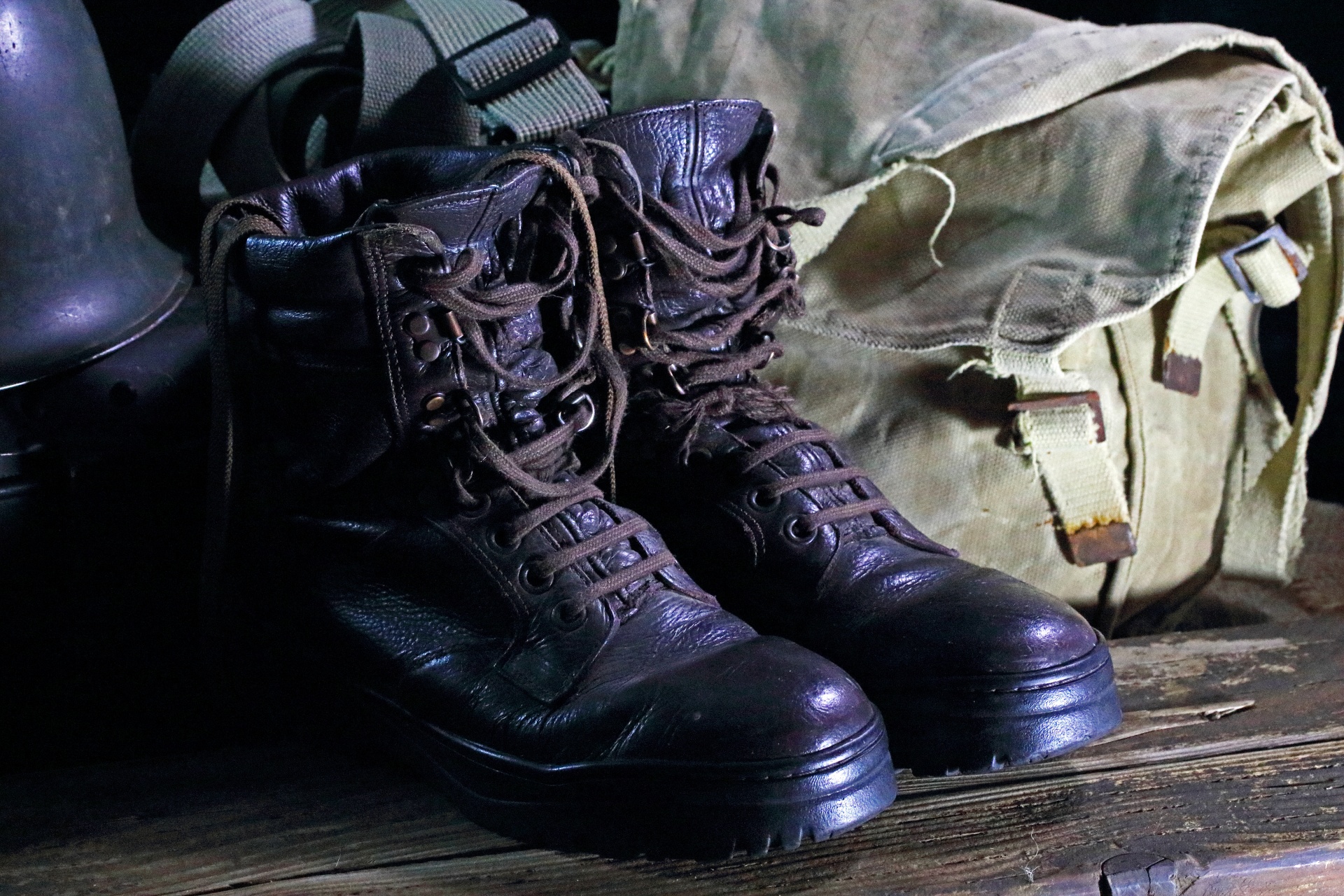
Maybe I Didn’t Sacrifice Enough
A U.S. Soldier in Iraq Copes with the Desert and Death
About These Stories
YC runs intensive nonfiction writing programs for teens in New York City, where they’re mentored by a professional editor to write personal stories about their lives and about issues that affect young people. Their stories are then published and read by thousands of teens, educators, policymakers, and other adults who work with and for young people.