
Whatever happened to those little kids in the TV commercial who greedily shouted, “More Park sausages, Mom. Please!” while their mother flipped long sausages in sizzling oil? Did they grow up and move on to other things, or did they just get booted off the airwaves by the health kick?
Those images of happy kids enjoying greasy food have been replaced by a very serious Cher nagging us to pay attention to what we eat in advertisements for Equal: “You care more about what you put into your car than what you put into your own body,” she says.
Elizabeth Ortiz, 16, of Edward R. Murrow HS thinks Cher has a point. “Teens are not generally healthy,” she said. “There’s way too much junk food out there.”
But when the words “healthy diet” are mentioned to most teens, they see visions of broccoli and soy bean milk that are just too frightening. Who wants to give up donuts, Ding Dongs, and chocolate that melts in your mouth for that nasty stuff?
It certainly does seem hard to make the switch. But the many misconceptions about what it means to “eat right” make it seem harder than it really is.
Junk Food: a Little’s Ok
“Nutrition is not never ever eating a cookie or cake,” said Donna Ziemba, a nutritionist at the East Harlem Healthy Heart Program. “[It’s] eating a variety of all foods including candy and goodies… So eat junk food, but compensate.”
In other words, eating nutritiously does not mean eating celery sticks for breakfast, lunch, and dinner. A healthy diet includes a variety of foods from the five food groups: Breads & Cereals, Fruits, Vegetables, Dairy, and Meats (see chart).
As Katherine Stewart, director of Project Lean, a city campaign to make people aware of the importance of eating low-fat foods, explained, “No food is really bad for you unless you try to live your life on it.”
Some teens have already discovered the importance of eating the right foods. “I eat a lot of bread and pasta, low-fat cheese, skim milk, and also fruit,” said Monica Guardiola, 19, of Fashion Industries HS, whose campaign to stay healthy also includes regular workouts.
Dante Williams, 16, of Riverdale HS, has to stay in shape to play football. He said, “Junk food is alright. But don’t base your diet solely on garbage.”
Cut Out the Fat
To some, all this worrying about what you eat may seem like an unneeded hassle. But eating is more than just pleasure for our taste buds; what we eat has an effect on our bodies. An unhealthy diet can make you sick and even kill you. For example, a diet high in fat can lead to heart disease. Fatty, waxy material can build up in the heart’s arteries. That slows the flow of the blood to the heart and forces the heart to work harder. All of this can lead to a heart attack or stroke.
Fatty foods include chocolate, whole milk, fried foods, donuts, and cheese. If you start avoiding these foods now, you’ll protect yourself from getting heart disease later. “Young people are making choices that are going to affect them for the rest of their lives,” Stewart said. “You can decide to change your eating habits at 50. But you might already have clogged arteries.”
A Cure For Acne
Eating healthy is also beneficial for other reasons. “Nutrition helps the way we look and perform athletically,” said Ziemba. For example, high fat and sugar can cause acne.
Ziemba said that there are a number of small, comparatively painless changes you can make in your diet that can really improve your health and well-being. One easy way to cut down on your fat intake, for example, is to start drinking low-fat milk. A cup of whole milk can contain 8 grams of fat, which supplies 72 calories, while low-fat milk contains as little as 2 grams of fat, which has only 18 calories. “Teens don’t drink low-fat milk,” said Donna Ziemba. “They think that it’s not the “in” thing to do and that it’s for fat people or that it’s watered down. All of these are misconceptions.”
Low-fat milk has the same nutrients as whole milk and tastes almost the same. In recent taste tests, many teens were not able to tell the difference between low-fat and regular milk.
Ziemba also said that “a simple thing like drinking water can keep the skin clear.” Vitamins A and E are also good for the skin. They can be found in green and yellow vegetables and whole grains.
Beware of “Crispy” and “Fried”
If you’re a fast food addict, don’t despair. One of Project Lean’s slogans is: “Fast foods don’t have to be fat foods.” Project Lean nutritionist Daisy Anderson said you just have to be smart about what you order. “Beware of ‘crispy brown’ and ‘golden fried’ labels,” she said. “Avoid the cheesy stuff and the ‘special sauces.’ ” Instead, try a grilled chicken sandwich that isn’t breaded, a plain hamburger with ketchup, or one of the salads.
Even nutritionists agree that eating should be enjoyable. And it can be, even if you decide to make some healthy changes. There are many snacks that taste great and are still good for you, like pretzels, nuts, plain popcorn, bagels, and low-fat yogurt. And if you’re really daring, you might want to try one of Katherine Stewart’s recommendations. She suggests trading in that Snickers bar for some pita bread stuffed with avocado.
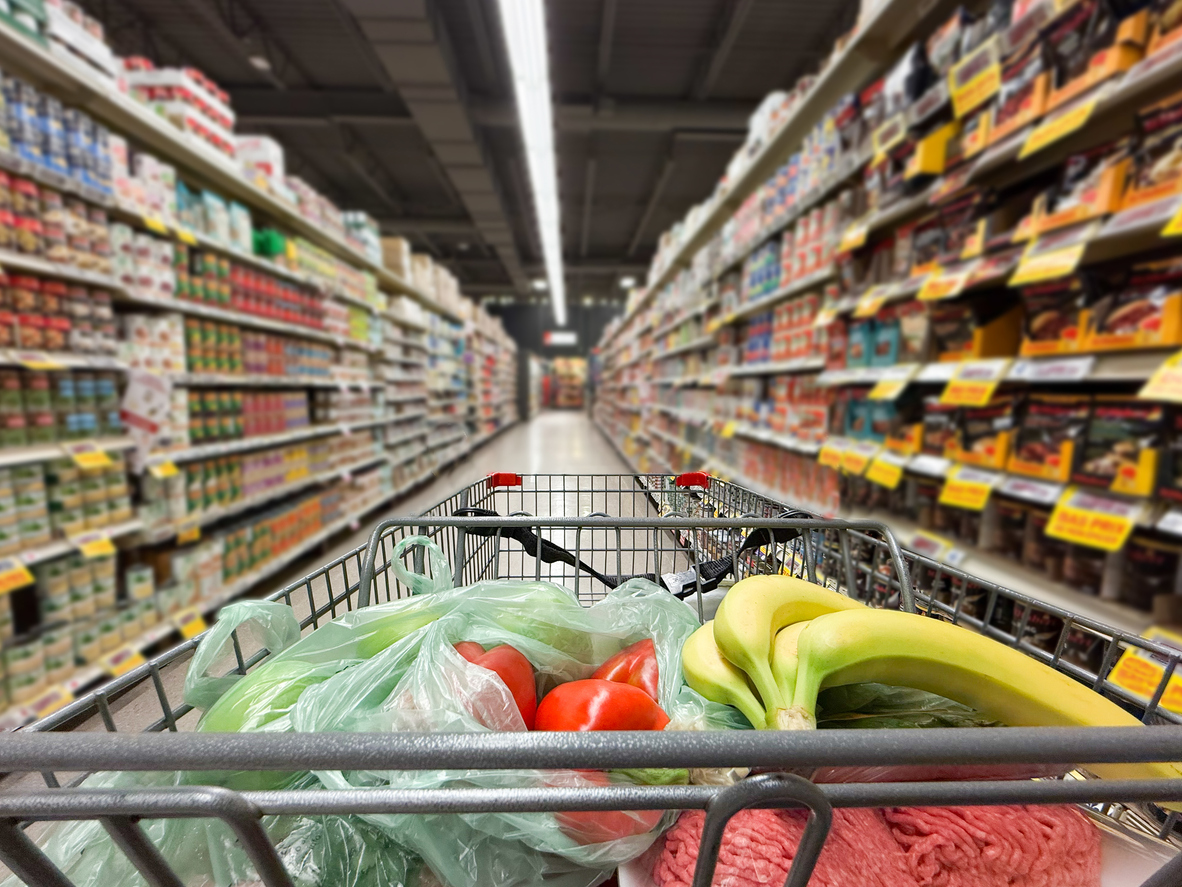
Junk Food’s OK…Just Not Every Day
About These Stories
YC runs intensive nonfiction writing programs for teens in New York City, where they’re mentored by a professional editor to write personal stories about their lives and about issues that affect young people. Their stories are then published and read by thousands of teens, educators, policymakers, and other adults who work with and for young people.