
When she was 15, Hannah Gross learned that the government does not regulate most of the chemicals that are in our beauty products. “I was shocked,” she said. “You assume someone is watching out for you, that someone is making sure that products you use every day are not filled with harmful chemicals.”
She began reading the labels of her beauty products and researching the ingredients before buying anything. She also hoped to change the system, so she joined a student-led movement called Teens Turning Green .
Since then, she has worked toward the organization’s goal of eliminating the use of harmful chemicals in everyday things like cosmetics, cleaning products, clothes, and electronics. The organization petitions the government and encourages people to research what chemicals are in their products. Hannah told YCteen about some of the exciting projects she worked on through Teens Turning Green, and how she’s trying to make the world a greener place.
YCteen: What is the main goal for Teens Turning Green?
Hannah: The main goal is really to change the world, and specifically to help people eliminate chemicals from their community. The way to do that is to empower youth to be informed change-makers, and that’s through advocacy, through events, through supporting policy changes.
YCteen: How did the organization start?
Hannah: The organization started as Teens for Safe Cosmetics because Judi Shils, the executive director, realized that teenagers have a lot of energy to change things, and also that your teen years are when you start wearing makeup and liking certain products. There was a lot of research being done about the chemicals used in cosmetics to see if they cause cancer or other illnesses. In fact, research is now showing that certain chemicals are found, for example, in breast cancer tumors. they’vefound things like parabens, which are in a lot of beauty products.
But it’s not just cosmetics-it’s also the chemicals used in the clothing you buy, the electronics you use, anything in your house like cleaning products. So it expanded from there and the name changed to Teens Turning Green, but still with the mindset that exposing ourselves to chemicals is likely increasing rates of cancer.
YCteen: What do you think is the biggest environmental hazard for teens?
Hannah: I think that what we buy is the biggest environmental hazard. I know that in middle and high school, for me, having that cool new shampoo or the clothing that everyone thinks is cool was important. It’s a time when consumerism is at its worst. It’s important to be an educated consumer and make greener choices when you can.
YCteen: Can you tell us about some of the projects you’ve worked on with the organization?
Hannah: The first one I did was an assembly at school. We did a survey. Everyone had to list the products they use, and we figured out the most popular products throughout the school. We looked those products up using the Environmental Working Group’s database (ewg.org/skindeep) to find out how harmful the chemicals in them were.
I was also involved in Project Green Prom. Prom is probably one of the worst times of year in terms of exposure to harmful chemicals, because people are going out and buying things. We created this awesome online tool kit you can still access, projectgreenprom.com. There’s transportation, decoration, beauty, dress-and we gave a list of companies that have greener versions of everything.
We encourage you to do things like make paper flowers using recyclable newspaper instead of buying flowers, because most flowers are grown using pesticides and are shipped from all over the world. So, unless you’re getting wildflowers from your local garden or something, fresh cut flowers are not environmentally friendly. We definitely encourage reusable glassware and plates, having recycling at your prom, carpooling or even walking to prom if you can, getting a hybrid car, renting a tux instead of buying one, wearing vintage dresses, and having online invitations instead of paper ones.
After that we had Project Green Dorm. On our website, teensturninggreen.com, you can find ways to make your dorm life greener. For example, it encourages you to make your own cleaner with vinegar and water instead of purchasing Clorox bleach or something else with harmful chemicals.
YCteen: Have you made changes in your own lifestyle to become “greener”?
Hannah: I considered myself very eco-conscious, and to hear that most of the products I was using at home are probably harmful, both to me personally and to the environment, totally changed my mindset about what environmentalism means. I looked up all my products and gradually switched everything. Now, I really think about ingredients and look up companies before I support them. I became more conscious as a consumer.
YCteen: What advice would you give readers who want to be “greener”?
Hannah: The most important thing is learning how to read labels. Our website can help you do that. We have something called the “Dirty Thirty” which lists chemicals to avoid in a concise and understandable way. (See an excerpt of that list on p. 15.) Also, if you go to ewg.org/skindeep, you can look up products and read about the ingredients.
Also, become an advocate and support policy changes that can get rid of harmful chemicals in our products. Right now there’s a something called the Safe Cosmetics Act that we’re trying to get passed into federal law. The provisions of The Safe Cosmetics Act of 2011 include phasing out ingredients linked to cancer, birth defects, and developmental harm-and the list is much longer than you could imagine. The Act would also help with adequately funding the Food and Drug Administration’s Office of Cosmetics and Colors, so it would actually have the resources it needs to provide effective oversight of the industry. You can support it by going online to safecosmetics.org and signing up.
YCteen: Is it more expensive to go green?
Hannah: Right now, toxic chemicals are generally the most convenient and cheapest ingredients, so there are definitely times when greener is expensive-but not always. You can’t always make the greener decision, but I think as greener options become more mainstream, prices are definitely going to come down because of demand.
You can also try to buy less. When I was younger I would always go to drugstores and buy really cheap makeup and that was really fun. But if I had thought about it, instead of buying five cheap eye shadows that contain lots of synthetic chemicals, I could have bought one non-toxic one that might be more expensive but wouldn’t harm my skin.
YCteen: What is the Project Green Challenge?
Hannah: The goal of the challenge, which is from October 1 through 30, is to get students all over the country inspired to transition from conventional products to environmentally conscious products in 30 days.
An example of one of the challenges might be to go through your daily routine-soap, shampoo, etc.-and look up the ingredients, then post something to our website about your thoughts on the toxic levels in those products. We want to make it fun and interactive, with videos and photos. Afterwards, 10 students most impacted by the challenge will be flown to San Francisco for an awesome summit in December. To sign up, go to projectgreenchallenge.com
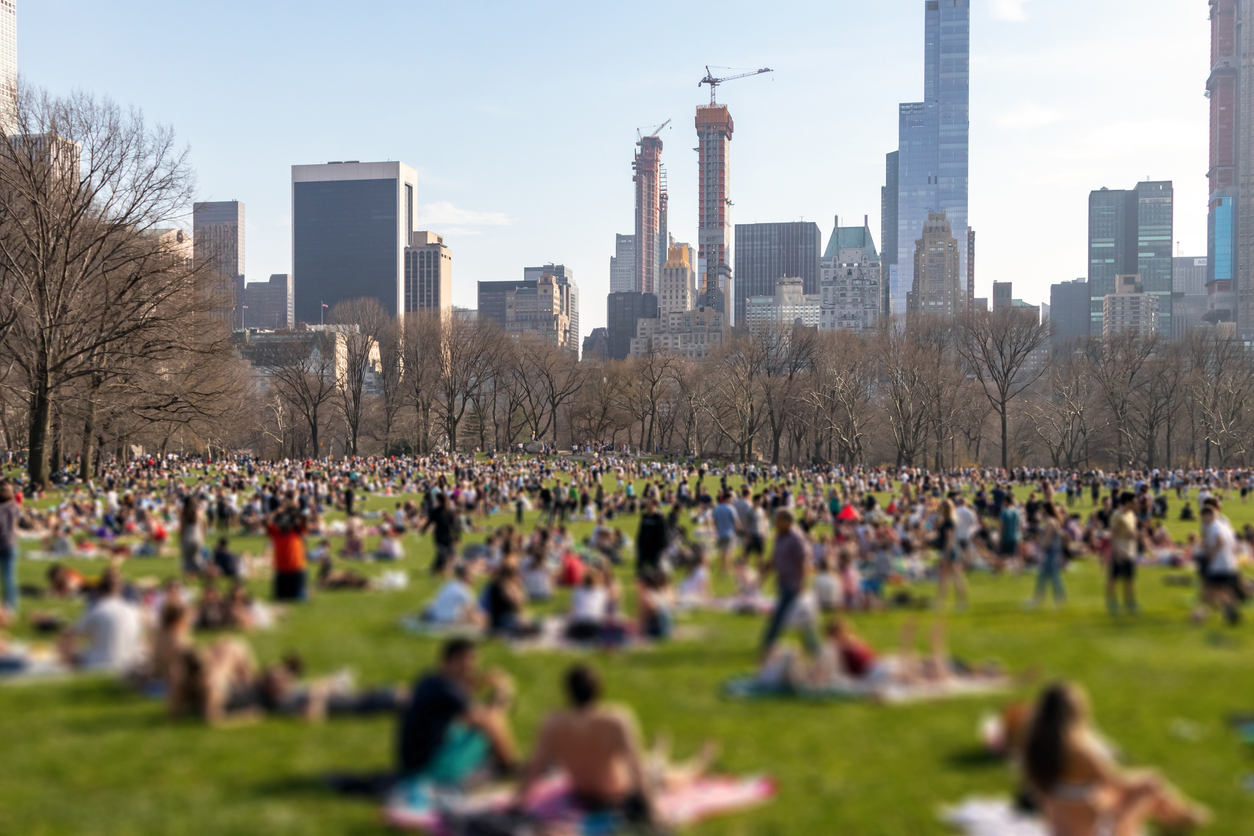
It’s Easy Being Green
From proms to dorms, how to clean up your act
About These Stories
YC runs intensive nonfiction writing programs for teens in New York City, where they’re mentored by a professional editor to write personal stories about their lives and about issues that affect young people. Their stories are then published and read by thousands of teens, educators, policymakers, and other adults who work with and for young people.