
I don’t follow elections or politics much. When a person is running for president they start to say everything people want to hear in an effort to win votes, promising things that are unlikely to happen after the election is over. Hearing the same promises to change things over and over again gets boring.
Still, this November will be my first time voting and I feel excited to vote for President Barack Obama. Not only because he became the first African-American in the White House but also because he accomplished quite a lot. For example, he brought troops home from Iraq and signed a bill that gave millions more Americans access to health insurance. I agree with these steps and with almost everything he has done, including his recent endorsement of gay marriage.
On the other hand, I disagree with just about everything his Republican opponent, former Massachusetts Governor Mitt Romney, believes in. For example, Romney thinks that sex education in school should be based on an abstinence-only curriculum, and I believe that’s wrong. I think everyone should be educated about all of our options for birth control, not just abstinence.
Though Obama didn’t do everything he promised, he is not the only one who makes the laws happen: Congress has to cooperate with him, and they haven’t done a good job of that. And if Romney were to be elected president, many low-income families would be badly affected by his plans. For example, he wants to repeal the health care reform bill that Obama passed, even though this would make it harder for struggling families to pay for health care.
If you have the privilege of voting, you should not waste it. No candidate will keep all of his or her promises, but it’s still important to choose a person you trust to lead the nation toward a better economy and environment, more equal rights and opportunities for all, and a safer nation.
Just turned 18? Read ” How to Register to Vote “
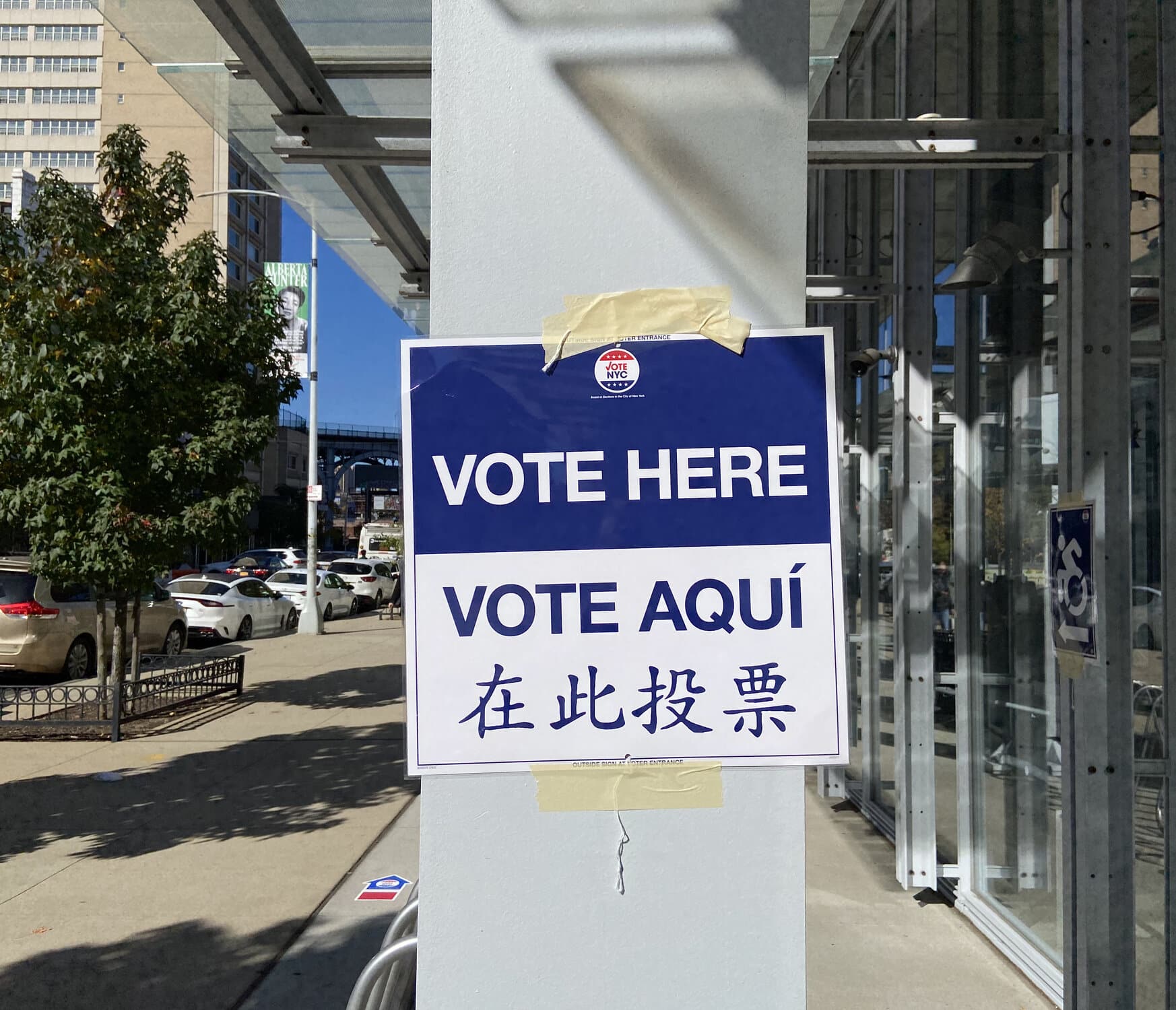
I Want My Voice to Count
About These Stories
YC runs intensive nonfiction writing programs for teens in New York City, where they’re mentored by a professional editor to write personal stories about their lives and about issues that affect young people. Their stories are then published and read by thousands of teens, educators, policymakers, and other adults who work with and for young people.