
1. Find out where your polling place is. After you register to vote (see page 24), you should receive a card or piece of paper in the mail from your board of elections, telling you the address of your polling place. It’s usually somewhere like an apartment building lobby, a school or a senior center. (They should send you the location before each election day from now on.)
If you lost it, or if you never received it, visit www.vote.nyc.ny.us/pollingplaces.html, call 1-866-VOTE-NYC, or email your complete home address to [email protected] and they’ll email your polling place location back to you. Put your borough in the subject line of your email message.
2. Know your candidates. You’ll be voting for president and vice president this year, but you may also be voting for some state and local elected officials as well. For a complete list of candidates, visit www.vote.nyc.ny.us/candidateslist.html after September 9.
3. Bring identification. If you’re voting for the first time, you may need to show some identification. Be sure to bring a photo ID, phone bill or a government document that shows your name and address.
4. Go to your polling place. All polling places in New York City are open from 6 a.m. to 9 p.m. When you get there, you may have to wait in line. Eventually you’ll reach a table where an election official will ask for your district number, which is on the piece of paper you received from your board of elections. If you don’t have it, just tell any election official and they’ll help you figure it out based on your address.
5. Go to the table for your district. Tables will have different district numbers, where election officials have a list of all the names of registered voters for that district. They’ll ask you your name, and you’ll need to sign your name on their list.
6. Step into a voting booth when directed by an election official. There will be a curtain around you for privacy. If you need help inside the voting booth, you can bring a friend or relative with you, or ask an election official to help you.
Inside the booth, you’ll see a voting machine with rows of candidates’ names. Pull the big red handle on the machine all the way to the right. This will prepare the machine to count your vote. don’t touch it again until you’re all finished selecting your candidates.
7. You’ll see little levers next to each candidate’s name. Push down the lever next to the candidates you want. An “X” will appear. If you make a mistake or change your mind, you can move the lever back and select a different candidate. The machine won’t let you choose more than the number of candidates you’re allowed to vote for in each contest (for some contests, you’ll be voting for more than one candidate).
8. When you’re finished selecting your candidates, double check that you’ve pushed down the right levers for all your chosen candidates. Pull the big red handle all the way to the left. The levers will go back to their original positions for the next person and your vote will be recorded. The curtain will open.
9. Congratulations-you’ve just voted!
Will you be in college outside of New York City on Election Day? You can still vote!
Just request an absentee ballot. That will allow you to vote from wherever you are. Call 1-866-VOTE-NYC to request an absentee ballot application be mailed to you, or download the application at www.vote.nyc.ny.us/absentee.html. If you’re mailing in your application, it must be postmarked no later than October 28, 2008.
Once you receive your absentee ballot in the mail, you must fill it out and send it in the addressed envelope provided. The ballot must be postmarked no later than November 3, 2008.
Still have questions? Call 1-866-VOTE-NYC or visit www.vote.nyc.ny.us
Sources: Board of Elections in the City of New York, New York State Board of Elections.
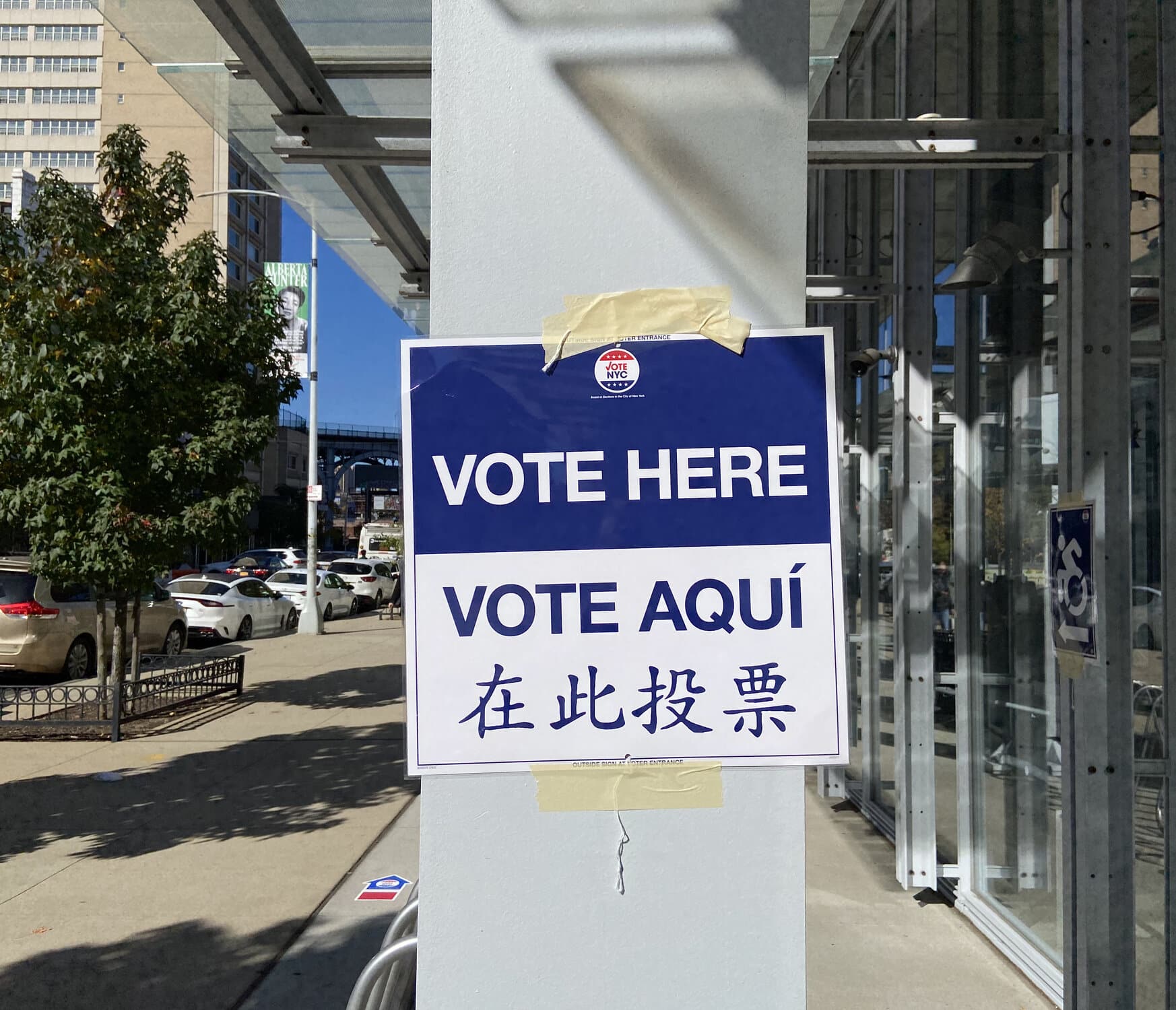
How to vote
Election Day is Tuesday, November 4, 2008. Make sure you're ready to vote! Here's how to do it.
About These Stories
YC runs intensive nonfiction writing programs for teens in New York City, where they’re mentored by a professional editor to write personal stories about their lives and about issues that affect young people. Their stories are then published and read by thousands of teens, educators, policymakers, and other adults who work with and for young people.