
Over the course of six weeks, NYC writers learned more about food than we ever wanted to know. We learned that the food most Americans eat today is pretty different from what we ate a few decades ago; that many “food” products are nothing more than corn and a massive amount of chemicals. Most importantly, we learned that everything we eat has a story behind it.
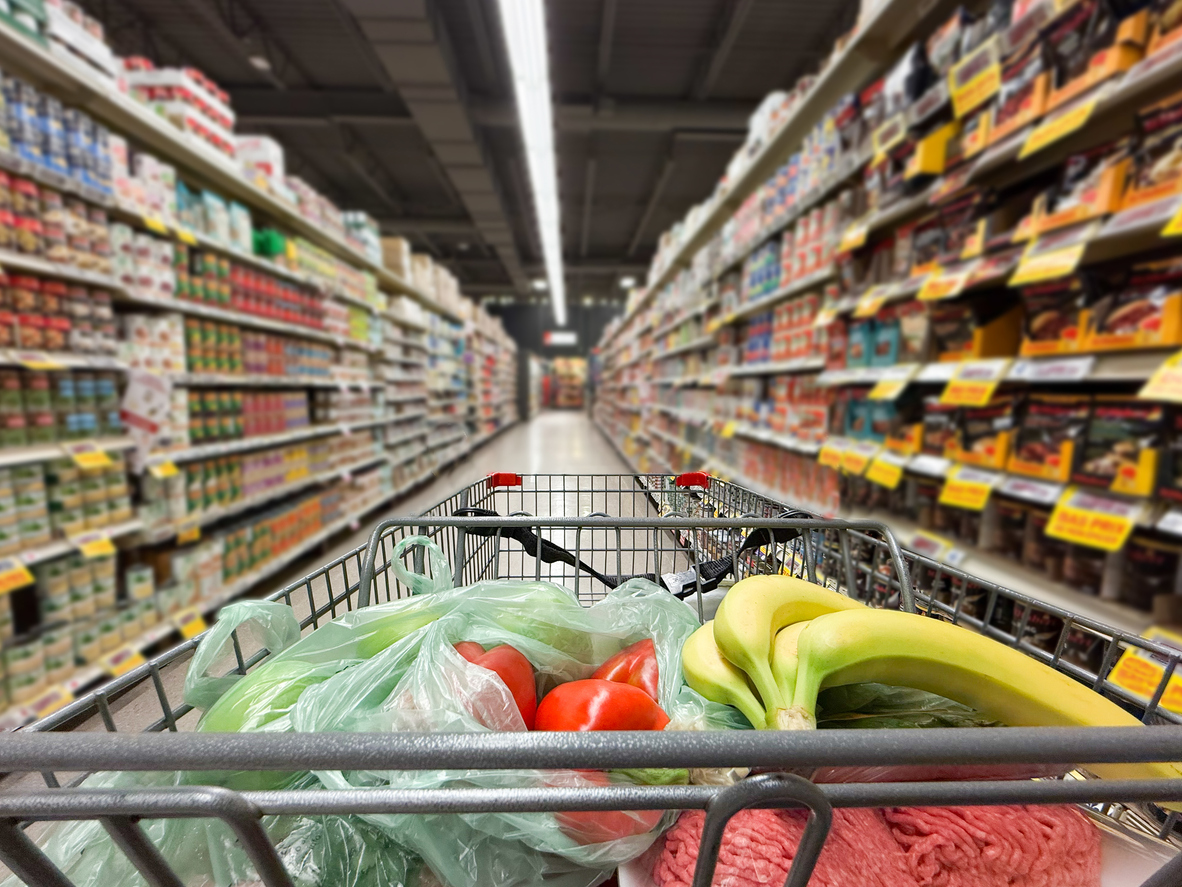
Our growing awareness about what we’re eating mirrors society’s increasing interest in healthy food. Over the past couple decades, people have started paying more attention to food as obesity rates-alongside diabetes and other diet-related illnesses-have skyrocketed. Because of our unhealthy diets, life expectancy may now be decreasing for the first time in America.
Rather than just report these depressing statistics, we wanted to find out why this was happening and what we could do about it. We reviewed two documentaries that showed how mass production has replaced natural methods of farming [“Corn: The Secret Ingredient,” p. 4; “Food, Inc.: An Unappetizing Truth,” p. 17]. These showed how the food industry follows the money, not necessarily what’s healthiest or best. For example, corn has replaced grass as the principle food given to cattle in factory farms, because it is cheaper. Unfortunately, a corn or grain diet makes cattle extremely sick, so farmers pump them full of medicine. In fact, cattle consume 70% of antibiotics taken in the United States.
Although it seems as if the food industry has been completely taken over by factory farming and mass production, natural farming methods still exist-even on our doorstep. We visited an urban farm in Brooklyn, a first for many of us [“The Farm Next Door,” pp. 22-23]. We all weeded, shoveled, and dug our way to more knowledge about locally grown produce. I learned, for instance, that local produce is usually fresher than supermarket produce because it has traveled a shorter distance to get to the consumer. We even got the chance to eat carrots just pulled from the ground. They were the best carrots I had ever tasted.
As the summer progressed, I put what I learned about healthy eating into action. For example, before I buy a beverage now, I look at the ingredient list. If it contains high-fructose corn syrup, I put it back in the refrigerator, because I know that this laboratory-produced sweetener is full of empty calories with no nutritional value. Whenever I buy a sandwich or bagel from a deli, I ask for healthier bread, like whole wheat. My fellow writers also discovered ways to make their diets healthier [“Dear Food Diary,” pp.6-8].
Fortunately, some leaders are taking action to encourage everyone to eat healthier at home, at school, and in their neighborhoods. New York City’s Healthy Bodegas Initiative, for example, encourages bodega owners to offer more fresh produce, low-fat milk, and other healthy products [“Fresh Veggies on Every Corner?,” p. 15]. The Manhattan Borough President is calling attention to the need for healthier food retailers in poor neighborhoods [“Want Better Food? Help Yourself,” p. 15], and trans fats are gone from school cafeterias [“Grilling Chef Jorge,” p. 11].
After six weeks of reporting on food and nutrition, I definitely know more about what I’m eating. When I contemplate drinking juice that contains high-fructose corn syrup, I imagine the thin, clear syrup invading my system, and it disgusts me.
-Jaminson Robinson
Special thanks to Hilary Baum and presenters at the Baum Forum’s Youth Forum & Expo: Food, Farming and Active Living; Kristen Mancinelli at City Harvest, and Akeem Hyland of Teen Iron Chef.
Growing Awareness
About These Stories
YC runs intensive nonfiction writing programs for teens in New York City, where they’re mentored by a professional editor to write personal stories about their lives and about issues that affect young people. Their stories are then published and read by thousands of teens, educators, policymakers, and other adults who work with and for young people.