
Where I grew up in Argentina, the farms are breathtaking. I remember walking past a neighboring farm and noticing how the sun illuminated the healthy and lively community of animals. I loved to caress the horses’ soft, satin chins, and watch the pigs play in the mud.
My fond memories of the peaceful animals were shattered when I saw the factory farms in Food, Inc., a new documentary about the American food industry.
The American Way?
On American factory farms, animals are crammed together in small areas where they can’t get any exercise. The chickens and cows have to stand in their own feces (poop), which can make them sick and increases the chances of an E. coli outbreak sickening humans.
The animals are also treated poorly by the people who handle them. At one of the poultry farms shown in the film, a worker kicked a chicken. But what really got me was a scene of workers grabbing little chicks off a conveyor belt and putting ugly green stamps on their cute little bodies.
It wasn’t always this way. Food production has changed for the worse over the years. Food, Inc. explained that, in the 1970s, the top five beef packers controlled only about 25% of the market, but today, the top four control more than 80% of the market. That means fewer choices for consumers who don’t want to support large-scale, factory farming. Plus, the system is so large that it’s hard to know what’s really in our food; a burger might contain parts from many different cows, including meat that’s been treated with ammonia to kill bacteria.
Shadowy Practices
It seems like a factory farm’s main concern is producing lots of cheap food as quickly as possible, which doesn’t sound so bad until you see how they do it. Almost every animal is fed corn because it’s cheap and it makes animals fat quickly. However, cows are meant to eat grass. When they don’t eat grass, they get sick easily. Similarly, factory-farmed chickens gain weight so fast that they can barely walk. To counter the illnesses caused by a poor environment and the wrong food, farmers pump animals full of antibiotics.
The companies that make most of our food refused to be interviewed for Food, Inc. and hid their practices from view. In one scene, a chicken farmer says he wanted to show the camera crew inside his dark, enclosed chicken houses, but Tyson, the company that controls his farm, told him not to.
I think the public should be able to see inside the chicken houses, cattle farms, and meatpacking plants. we’re buying and eating what’s produced there, so we should be able to see how they handle our food.
The Alternative
The filmmakers did manage to find a small, organic farm that reminded me of the farms in Argentina. Joel Salatin, owner of Polyface Farms, gives cows grass to eat, not corn. He farms outside, in wide-open space, and shows affection to his animals.
Salatin’s animals are able to exercise and seem happy, which I believe makes food tastier and healthier. (I think Argentinean beef is juicier and tastier than American beef, probably because cattle are fed grass and get daily exercise.) There are small-scale farmers like Salatin in New York, too, who often sell their meat and produce at farmers markets within New York City. (See p. 9 for a partial list of New York City farmers markets.)
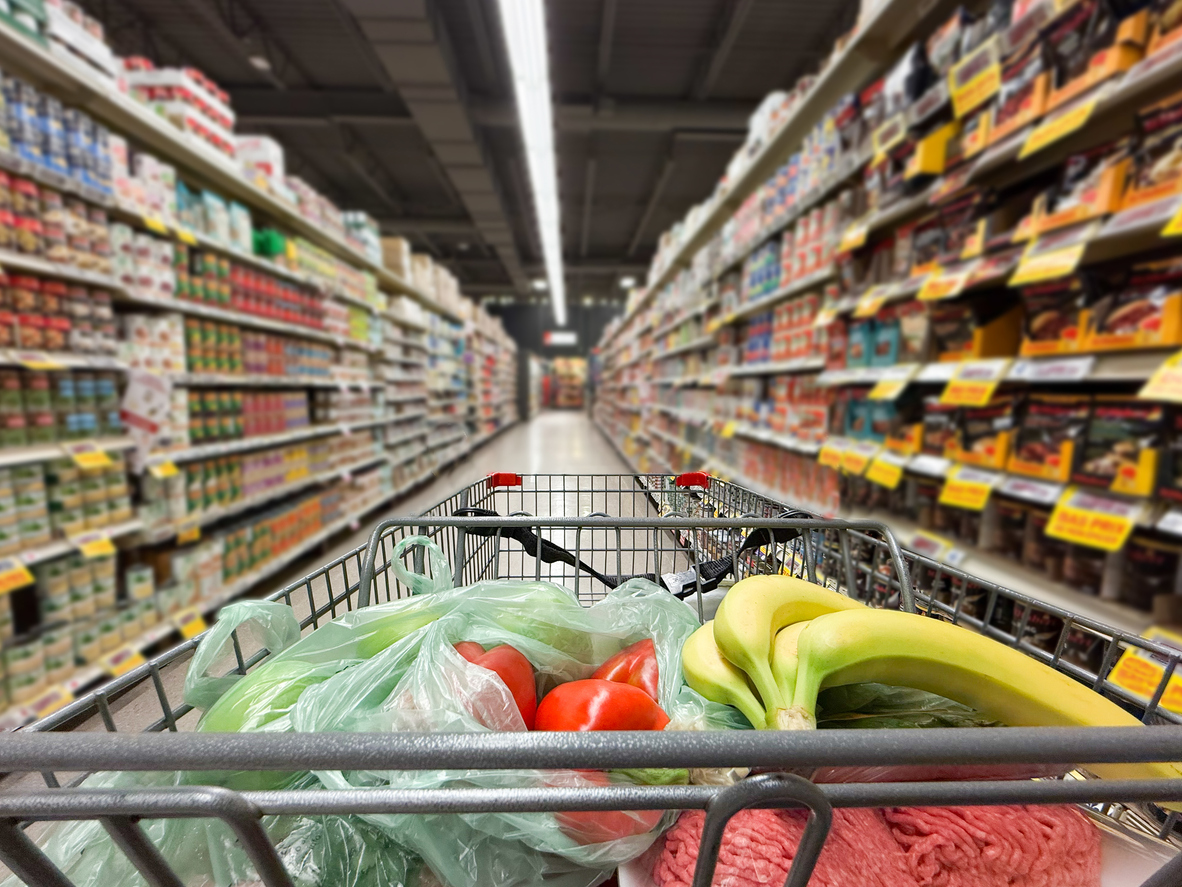
After watching Food, Inc., I started thinking about where my meat comes from. At the grocery store, I now look for poultry and eggs labeled “free range,” which means the animals were allowed outside and weren’t confined to dark, crowded cages.
Food, Inc. encourages everyone to buy foods that are produced in a more humane way, such as organic produce, free-range poultry, and grass-fed beef. It might cost a few dollars extra, but it’s worth it to know where your food is coming from.
Go to foodincmovie.com to find out where you can see the film.
Food, Inc.: An Unappetizing Truth
About These Stories
YC runs intensive nonfiction writing programs for teens in New York City, where they’re mentored by a professional editor to write personal stories about their lives and about issues that affect young people. Their stories are then published and read by thousands of teens, educators, policymakers, and other adults who work with and for young people.