
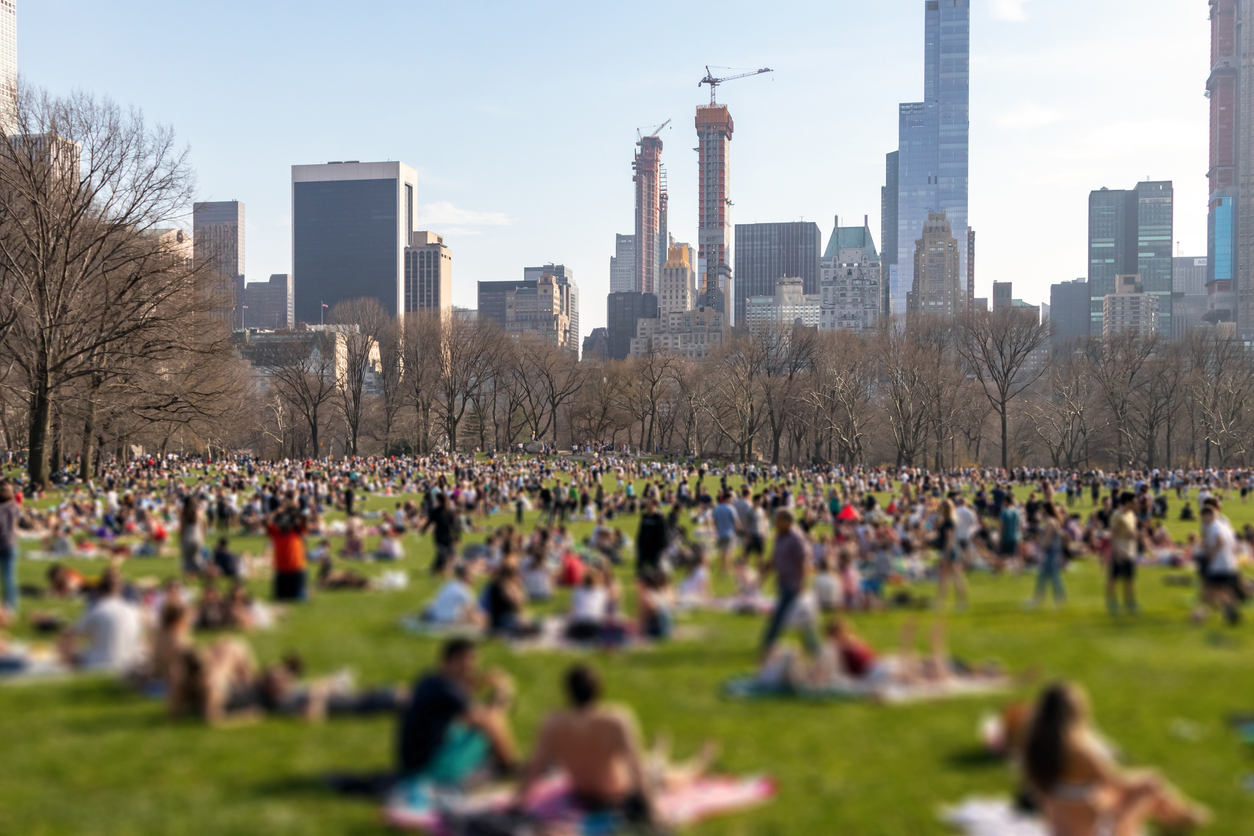
April 22 was Earth Day. Over a million people gathered in the city and Central Park to celebrate it. People are obviously more concerned about the environment than ever before.
But what reason do we have to celebrate? We have been conditioned to throw our garbage down the sewer, onto the beaches, and into the streets. We all know about the rapid filling of the city’s last garbage dump, Fresh Kills on Staten Island.
But what can we do about these and other environmental problems?
We can separate out our cans and bottles for recycling. Asking for a paper bag instead of a plastic bag could help. Little things, like using dishes instead of paper plates and avoiding buying over-packaged products, can make a difference, but only if everyone is involved.
Going to the Source
The best way to reduce garbage is not to produce garbage. However, the way companies do business in this country has to change for that to happen. Otherwise, the small things we do will have no impact. We’ll feel good, but nothing will change.
Consumers refused to buy tuna, and companies changed the way they caught the fish to avoid killing dolphins. We have to put the same pressure on McDonald’s and similar companies that sell burgers in styrofoam containers. Reducing environmental harm means reducing the source of that harm-and that means the companies that cause it. By refusing to buy harmful products and recycling what we can, we could have an effect.
Maybe someday there’ll be an Earth Day we can celebrate, but now we need every day we can get. We have to turn our concern for the environment into tangible action. That means putting pressure on the sources of environmental destruction.
-Written by Tonya Leslie and Fitzcarl Antony Johnson Reid
Earth Day Was No Time to Celebrate
About These Stories
YC runs intensive nonfiction writing programs for teens in New York City, where they’re mentored by a professional editor to write personal stories about their lives and about issues that affect young people. Their stories are then published and read by thousands of teens, educators, policymakers, and other adults who work with and for young people.