
A napkin on the side of the road; old cigarettes crowded around a tree; piled up trashcans-do these things sound familiar? Trash build-up is a worldwide problem. It affects people, animals, bodies of water, and the air we breathe.
Not all parts of the world are equally responsible for this situation. Americans consume more than most people in the world, and therefore create a lot more waste. According to a 2008 New York Times opinion piece by geographer and author Jared Diamond, each individual American consumes the same amount of stuff as 32 Kenyans combined.
“The average rates at which people consume resources like oil and metals, and produce wastes like plastics and greenhouse gases, are about 32 times higher in North America, Western Europe, Japan and Australia than they are in the developing world,” wrote Diamond.
Right now, he explained, fewer than one in six people on the planet live in one of these high-consuming, developed countries. But what if the rest of the world caught up to us-what if every person on earth used resources and produced trash like an American does already? It’s a scary thought.
A Continent of Trash
Already, humans have produced so much garbage-and done such a bad job disposing of it-that a “plastic soup” made up of plastic bags, toys, and other non-biodegradable trash that found its way to the water, is now floating around the Pacific Ocean. Believe it or not, this soup is estimated to be possibly twice the size of the continental U.S, and it continues to grow. (Garbage patches have also been seen in the Atlantic and Indian Oceans.)
It’s worse than just ugly-it’s harmful to sea animals that are exposed to these plastics and later wind up on our dinner plates. Fish that come in contact with plastics can get caught up in the debris and choke to death; they also eat the plastic and develop high concentrations of dangerous chemicals like polychlorinated biphenyls (PCBs), which are linked to cancer. When we eat these fish, we absorb the same chemicals. (To see some great animated videos on how our buy-and-consume culture leads to big problems, visit a website called The Story of Stuff .)
The staff of YCteen decided that as Americans, we are contributing more than our share to these problems. We wanted to figure out how to consume less, waste less, and produce less trash. So, for four days of our summer workshop, we saved our trash while we were at the office-every single piece of it. The plan was to see how much trash we really make over the course of 20 working hours (we spent five hours at the office each day), and then consider ways of making less.
Get Out the Rubber Gloves
At the end of the four days we dumped all our trash onto a conference room table. Looking at our bowl of food leftovers and at the sprawling pile of napkins, styrofoam trays, plastic cups, and other throwaway materials, we were surprised at the amount of trash a group of eight people created in four afternoons.
We separated the pile into “avoidable,” “unavoidable,” and “hard-to-avoid” waste (unavoidable and hard-to-avoid included bowls for take-away salads and used MetroCards; the avoidable pile consisted mostly of napkins and plastic bags). Then we analyzed how we could reduce our trash output: we could compost (or turn organic matter like food into fertilizer by letting it decay outdoors), recycle where possible, use cloth napkins and towels, bring our own bags, and carry reusable bottles for water. By doing this, we estimated we could reduce our total waste by about 75%.
As a group, we listed all the specific steps we could take immediately to create less trash the following week. (That list is on the bottom right.) We ranked our new guidelines according to how easy we thought they’d be to put into action. Some seemed tougher than others, but we decided to follow all of them the next week. Again saving our trash for four days, we began to use cloth napkins and towels and our own silverware, and to say “no” to store bags and extras like napkins, sugar packets, and plastic forks.
Shifting Our Habits
At the end of this second week, our progress was visible. We especially noticed how our “avoidable” pile shrank, with only a few napkins. The unavoidable and hard-to-avoid pile still contained cups, salad containers, wrappers, and a few bags. But we noted that we’d had to carry our lunches to a picnic the day before, and a large proportion of the hard-to-avoid trash came from that outing. Eating in the office every day would have let us generate even less garbage.
In general, the writers who brought their own lunches were the same ones who had been bringing lunch from home throughout the workshop. But everyone agreed they had made changes that they would like to stick with going forward. Writer Kiara Ventura said that having an individual handcloth made a big difference for her. “Before, I would take, like, three napkins out of the bathroom, but now I use the cloths,” she said.
“I have stopped taking unnecessary things in the store, and started bringing bags and using office utensils,” added writer Paldon Dolma.
While sorting through a few days’ worth of trash-even with rubber gloves-was not the most pleasant experience, it was worth it to realize that we can do our part to lessen the world’s trash problem. This shared learning experience allowed us to form habits that will benefit our environment, and us with it.
Trimming Trash
¥ Carry a reusable bottle for water
¥ Bring your own utensils instead of using plastic utensils
¥ Use cloth napkins instead of paper napkins (yes, you’ll have to launder them once in a while, but it’s worth the extra effort)
¥ Bring your own cloth bag instead of getting new plastic bags with every purchase-or at least, re-use your plastic bags
¥ Ask fast food and convenience store staff not to bag anything that already comes in a container, and store clerks not to bag purchases unless necessary
¥ Save your leftovers and eat them later, instead of just tossing them out
¥ don’t take extras you don’t need (condiments, napkins, coupons, straws, etc.)
¥ Bring your own lunch in reusable containers whenever you can
¥ Consume less! (especially limit treats, like soda)
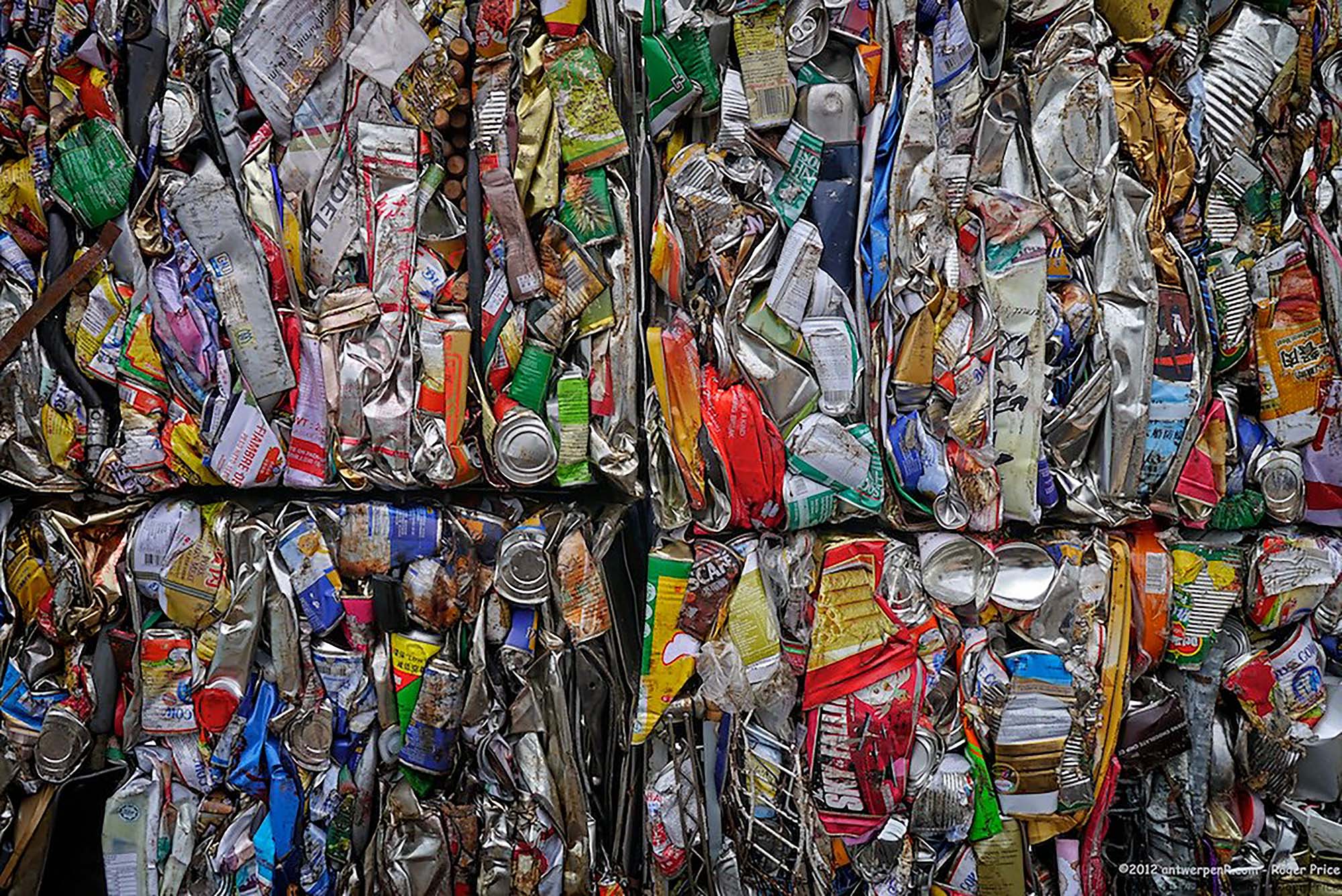
America: Trashing the Globe
About These Stories
YC runs intensive nonfiction writing programs for teens in New York City, where they’re mentored by a professional editor to write personal stories about their lives and about issues that affect young people. Their stories are then published and read by thousands of teens, educators, policymakers, and other adults who work with and for young people.