
When my mother told me we were moving from the tropical island of Curacao to New York, I imagined a city with big, shiny buildings, glamorous and hip stores, clean, paved streets, and bright lights. I wasn’t expecting to be dropped into the middle of the hood. When I got to Morris Heights, a neighborhood in the Bronx, I saw old crumbling buildings, dirty streets, and men smoking crack on the corner. In school I saw kids get into fights and disrespect teachers. It seemed like everyone was out for themselves.
Soon I came to realize that the “bad” kids in my neighborhood hadn’t always been mean or tough. The hood made them that way because they had to grow up amid violence and crime. Many have lost loved ones or have been robbed. The hood would eventually harden me too. I stopped being a sweet island girl who was always nice to people. I had to survive here just like everyone else.
Rules of the Hood
In 3rd grade I was bullied by a boy at school who regularly threatened to hit me. My mom spoke to the school counselor but nothing changed.
I’d cry to her every morning hoping she’d let me stay home. “I don’t wanna go to school, Ma! I don’t.”
My mom let me stay home for a couple of days but no matter how much I cried and kicked, she sent me back. I even threw up my Waffle Crisp cereal one day but my mom still made me go. “You can’t keep staying home because you’re scared of that kid. You have to be strong and stand up for yourself,” she said. So I did, eventually.
One day, I was at the playground swinging when the bully walked in. I taunted him for awhile and eventually I got to him. He called me a b-tch. I had to do something to regain my power after so much torment.
“What? I will smack the crap out of you. Try me.”
That took him by surprise and he retreated. I thought about what my mother told me, but mostly I did it to prove to myself I could handle whatever the hood threw my way.
These days, I prefer to speak my mind when I think something is unfair but I learned that sometimes it’s best to not say things at all in the hood. For example, you could get into a conflict with someone and then find out she’s in a gang. So a verbal argument with that person could result in getting beaten up by her crew members. I once tried to help one of my schoolmates who was being bullied by some neighborhood thugs and they threatened to beat me up for not minding my business.
I Want to Leave So I Can Come Back
I’m blessed to have parents who remind me that the goal is to get out of the hood and make something of myself. I want to go to an Ivy League school, make good money, and live where the buildings don’t crumble, there aren’t any mice, and there’s always hot water.
But another part of me wants to come back to the hood after college to try to improve things. It seems like all the government does is give people food stamps and other so-called benefits just to shut us up. How about giving us better schools and nicer streets? It wasn’t until recently that I’ve seen trees planted in my neighborhood.
In particular, I’d like to help one of my close friends. We’ve known each other since 6th grade. He has dyslexia so it’s hard for him to do schoolwork. I remember him asking me to help him read. I tried, but he got frustrated and said, “I don’t get this sh-t.” Today, he’s in a gang.
Still, he’s one of the most caring people I know. I can count on him to listen and give me sound advice. When I’ve gone through bad breakups he’s there to remind me of my worth and help me stay positive. I tell him that he should stop fighting and be focused in school. He has six younger siblings that he has to be a role model for. There are periods of time when he stays out of trouble, but eventually it seems to find him.
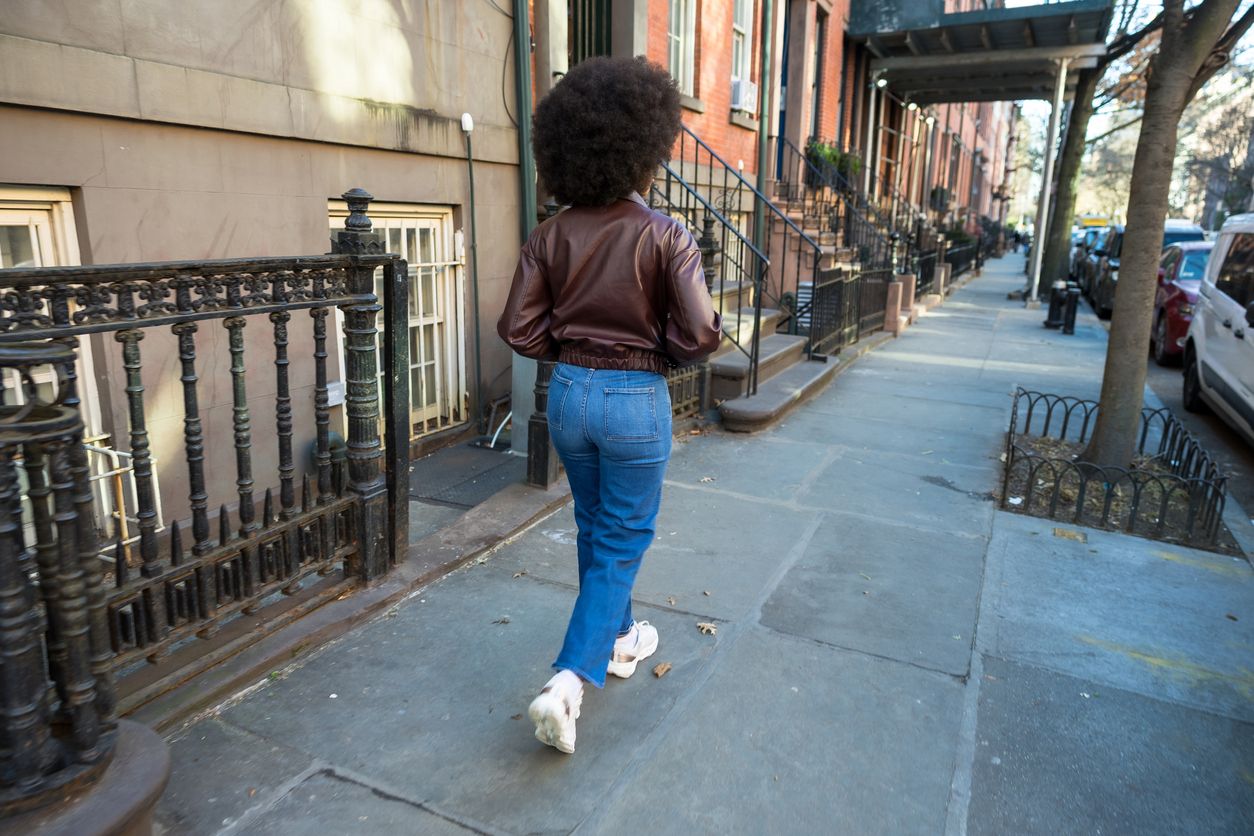
This friend is just one example of how being raised in the hood has made me more understanding and compassionate. Before I judge, I get to know a person because I know how it feels when people make assumptions about you based on where you live or your appearance. When I’m on the train I often feel that people are caught by surprise when they see me pull out a book by Shakespeare. Maybe I don’t appear smart to them because I’m dressed in Jordans, crop tops, and jeans.
I have a love-hate relationship with the hood. I hate it because of all the violence and crime. But I’m thankful for the lessons it has taught me and for making me a strong, determined girl. Had it not been for the hood constantly dangling everything I don’t want in my life, I might not be working that hard to get out.
You Can’t Take the Hood Out of the Girl
About These Stories
YC runs intensive nonfiction writing programs for teens in New York City, where they’re mentored by a professional editor to write personal stories about their lives and about issues that affect young people. Their stories are then published and read by thousands of teens, educators, policymakers, and other adults who work with and for young people.