
You can eat better without giving up everything you love. If you eat a burger and fries, try going breadless and ask to substitute salad for the fries (this probably won’t be possible at fast food restaurants). Make burgers a special treat instead of an everyday part of your diet.
The next time you go to Burger King or Wendy’s, look for the healthiest thing there, such as salad with light dressing. Avoid too many carbohydrates from foods like bread, chips, and pasta. Instead, combine protein and fiber by eating lean meats (chicken, fish) with leafy vegetables, nuts, and beans. In general, fruits and vegetables should fill about half your plate.
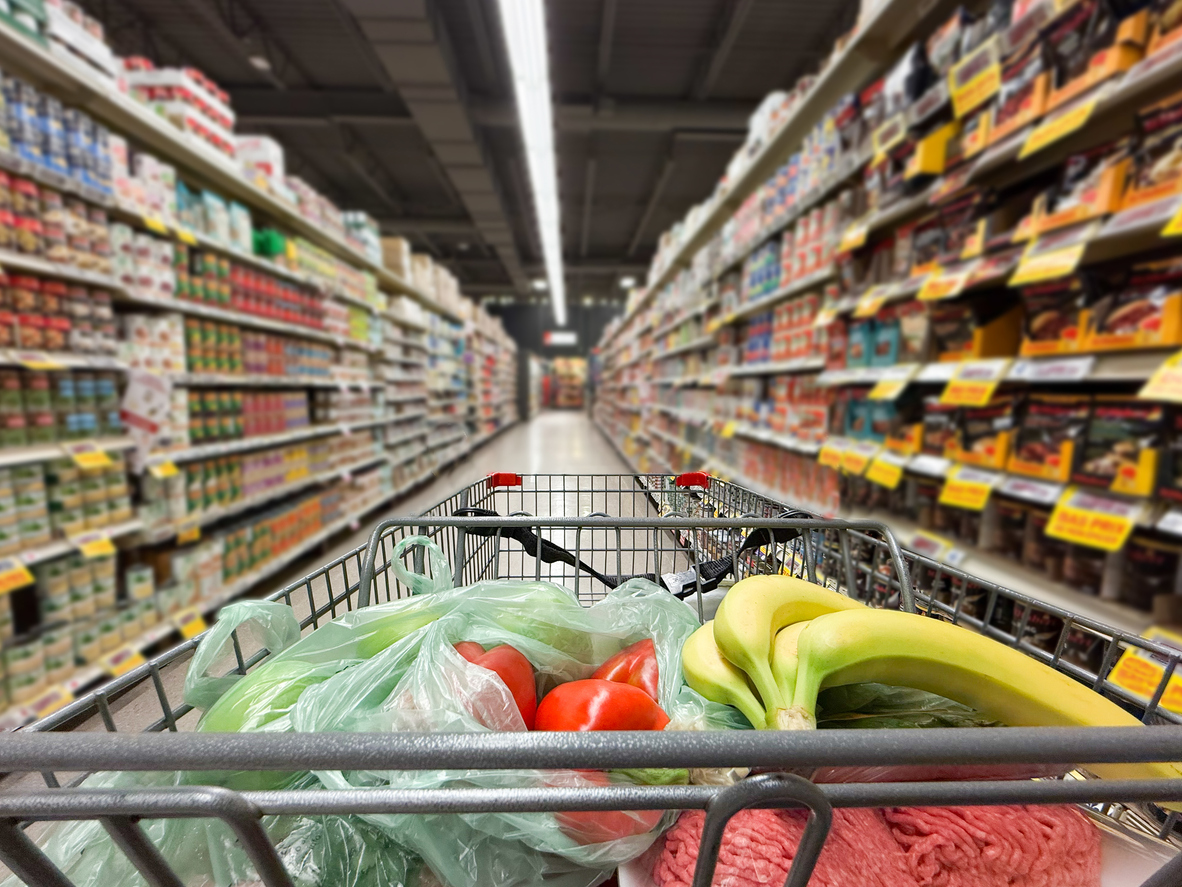
Encourage your parents to shop for fresh fruits and vegetables and make them a part of every meal. Here’s an easy way to make sure you’re getting enough fruits and vegetables, and the right kinds: Eat a rainbow of natural colors every day-red, orange/yellow, green, and blue/purple. These colors represent a variety of vitamins and nutrients that your body needs.
Rather than sugary juice, soda, flavored teas, and energy drinks, drink plain water-that will help your body stay hydrated and keep your organs pumping. Junk food every once in a while isn’t bad, but don’t eat it every day. Good food is to your body what good fuel is to a car-you’re not going to perform your best, physically or mentally, unless you fuel yourself with a healthy diet.
Hungry for More?
For advice on getting in shape, check out this online booklet: ” Take Charge of Your Health: A Guide for Teenagers .”
For information about preventing and living with diabetes, visit Diabetes.org or cdc.gov/diabetes/ . The CDC website also includes information in Spanish.
Adapted from “Pass the Veggies, Please!” by Quaneyah Cleveland, in the Fall 2011 issue of Represent , YC teen ‘s sister publication by and for youth in foster care.