
In the News
Watching the families devastated by the earthquake that hit Haiti in January was especially powerful for me as a teen in foster care. Seeing homeless Haitian children crying for their parents and having to depend on strangers for their basic needs, I was struck by their vulnerability.
In Haiti and around the world, the loss of family leaves young people lacking guidance and protection. Once a child’s parent is gone, substitute protectors may be less vigilant about doing what’s best for the child, leaving children open to predators of all kinds.
Currently, there’s a huge fear in Haiti about child trafficking (forcing them to work against their will as prostitutes or in other dangerous jobs.) In some cases, even people who claim to protect these children may be doing just the opposite. (See “Making Sense of the Pain,” p. 33.)
With the Haitian government and aid groups struggling to meet basic needs like clean water, food, and shelter, orphaned children and those separated from family are at great risk.
Predators sometimes lure vulnerable kids by offering to meet their basic needs. A recent story in Time magazine described people driving around the streets of Port-au-Prince, luring children to their trucks with promises of food. Before children know it, they’re caught in a scary trap that could compromise their well-being and put them on the market for harm.
It’s bad enough that young people in desperate situations end up being hurt. But I also worry that if we don’t help, it will have even longer lasting effects. It is very easy to mold a young child, so if a child is confronted with harm and doesn’t have the protection of family, he or she might begin to build a foundation around that bad experience.
As young people in foster care, this tragedy hits us hard. We want to reach out because we share these Haitian children’s feelings of loss, trauma, and vulnerability. But how can we take steps to improve things, whether in Haiti or in the lives of our peers in care? The problems seem overwhelming, and when we’re having trouble getting our own needs met, it’s hard to imagine being able to make a difference in someone else’s life.
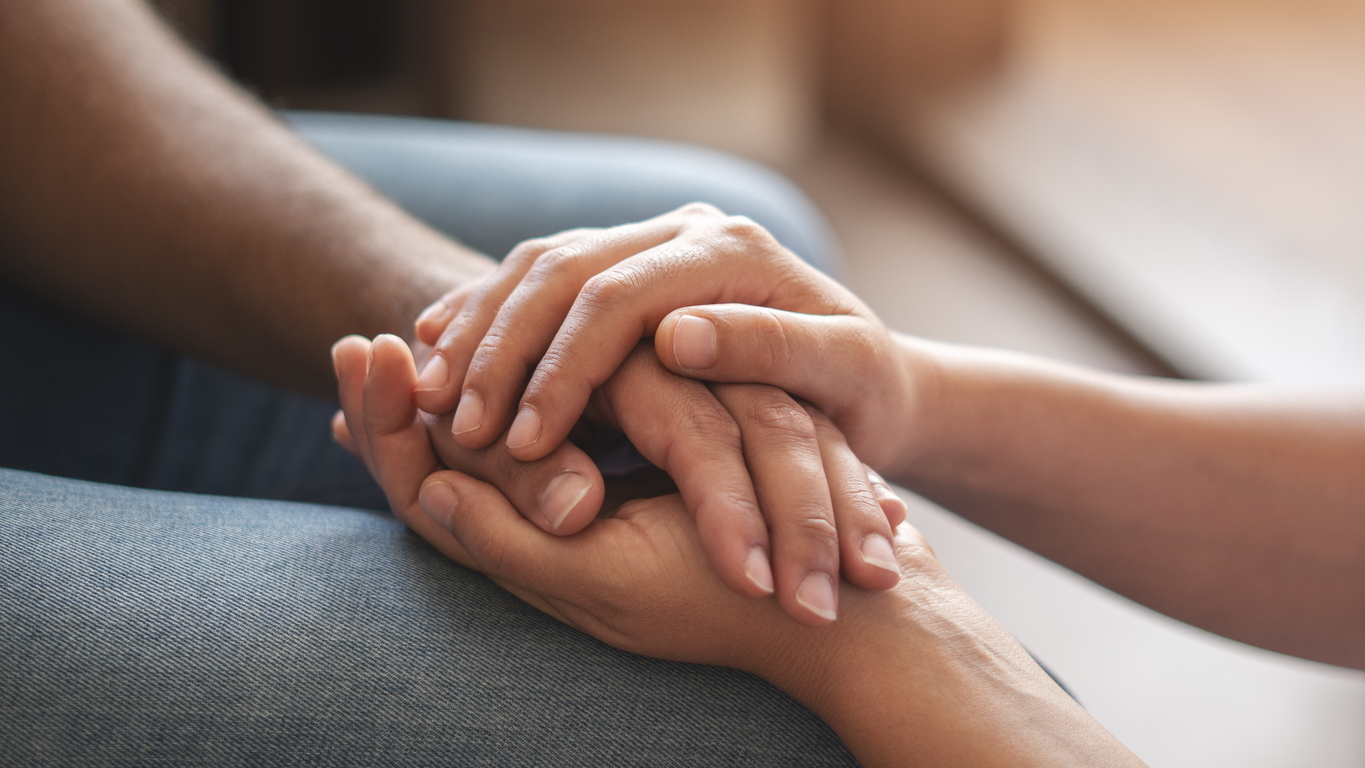
Here’s what I think: it doesn’t have to be a humongous step. Becoming a mentor to a child or peer who needs guidance and protection is a great start. Even simply expressing real concern and support can mean a lot to someone who’s suffering. Whether that person is an earthquake victim, a foster child, or anyone else suddenly stripped of family, they are less likely to be exploited if they have a supportive advocate or friend in their life.
-Imani Brammer
In the News: Haiti’s Children
About These Stories
YC runs intensive nonfiction writing programs for teens in New York City, where they’re mentored by a professional editor to write personal stories about their lives and about issues that affect young people. Their stories are then published and read by thousands of teens, educators, policymakers, and other adults who work with and for young people.