
Names have been changed.
The day was hot but breezy and my cap and gown fit perfectly. Nothing was greater than the feeling of graduation. I’d been in the same school, Beginning With Children, from kindergarten through 8th grade. It was a small charter school where the principal, teachers, students and parents all knew each other. The day I graduated in June 2004, I felt so accomplished. I had no idea that high school was another hurdle soon to come.
That night my mom and I sat down to dinner, and the steam from the mashed potatoes, baked chicken, corn bread and sweet peas hit my nose. I was about to dig in when I was rudely interrupted by my mom’s voice. “Catherine McAuley HS has offered you a scholarship, so that’s where you’ll be going next year. The public school system will chew you up and spit you out,” she said.
I was surprised. I had assumed I’d be going to Cobble Hill HS, a public high school in Brooklyn. I didn’t want to go to private school. “I don’t want to wear a uniform and have a whole bunch of girls in my face all day!” I said.
I knew my mom didn’t want me to fall through the cracks and drop out like she had in her public high school. But I didn’t care about the harsh realities of public school that she remembered, like fights every day and careless teachers. I wanted high school to be a choice that I made for myself. But my mom stuck to her decision.
Strict and Religious
That fall, private school hit me like a raging bull-fast and hard. The commute was an hour and a half and on the first day, the principal greeted all the freshmen in the auditorium with a prayer. Then we were given a conduct sheet and contract for our parents to sign.
I had no idea Catherine McAuley would be so strict and religious. I mean, I believed in God, but we prayed every morning in homeroom. That seemed excessive. There were a lot of unnecessary rules, too, like having to have your shirt tucked in and not having the tongue of your boot stick out of the uniform pants.
I hated wearing an ugly uniform. I hated going to an all-girls school where classmates who I thought were my friends talked about me behind my back. I also hated the hard work. Every day I had to bring home at least four textbooks. My mother told me things would get better and that I had to crawl before I walked. But I felt I would never be happy there.
Soon I met two friends at school who felt the same way. Sandra, Lori and I began taking out our anger by breaking all the rules, wearing our shirts any kind of way, even wearing sneakers. I hardly broke any rules at Beginning With Children because I loved making my principal there proud. But at McAuley I couldn’t care less.
Starting Trouble
One day we all sat in our freshman English class taking notes. I was sick of paying attention, so I told Lori to throw a paper ball at Sandra, who was sleeping. Lori put smaller bits of paper into a larger piece to make the ball really hard, so it would definitely wake Sandra up.
But the ball missed Sandra and hit another girl, Jessica, who turned around and threw a ball at Lori. Then I threw a ball at Jessica and soon the entire class was having a paper ball fight. Everybody kept saying, “It hit me first,” and “I didn’t do anything.” They never found out who started it.
When I started trouble like this in school, I felt powerful. I wanted to show that the administrators couldn’t control my actions. So I kept doing it. My friends and I came to school late, had water fights in the bathroom and sang songs loudly during lunch. When the end of the school year came, Catherine McAuley’s advisors sent a letter saying they didn’t want me back. Although this hadn’t been my plan, I was glad.
My mom, on the other hand, was disappointed that I’d lost my scholarship. She worried that I wouldn’t finish high school if I went back to public school. But other private schools were too expensive without a scholarship, so she had no choice this time around.
Since I’ve always loved to write, I chose to attend the Secondary School for Journalism. It only had 630 students and I thought it couldn’t be too bad. I imagined cute senior boys who played basketball, understanding teachers and no morning prayer.
The first day of school, I sat in the overcrowded lunchroom. People were throwing food, talking on their cell phones, listening to music-things that would never have been tolerated at Catherine McAuley. I was disgusted by the crushed food and spilled milk on the floor. But I still felt that anywhere was better than Catherine McAuley. Then a girl I’d met earlier that day came up to me and said, “I’m leaving. You coming to school tomorrow?”
“What do you mean you’re leaving? We have four more periods left.”
“I know. But I can just leave through the side door. The security guards won’t say anything, especially if you’re cool with them.”
My Newfound Freedom
Cut out of school, just like that? It was too easy. The next day I saw the same girl in school looking calm, cool and collected. She didn’t mention anything about getting in trouble. I felt all this freedom shouldn’t go to waste. That afternoon, a boy showed me the side exit and I went home and slept the rest of the day. No one even realized I was gone.
Soon I found a cut buddy, a girl I met in the bathroom one day. We cut our 7th and 8th period gym class every day. Most of the time I would go to a friend’s house to hang out. Other times I would just go home and crash. To me, this was the good life.
In the classes I did attend, I barely paid attention because I’d learned the same stuff as a freshman at Catherine McAuley. I began to realize that if I’d stayed there I would have learned a lot more, and that private school was strict for a reason: students were expected to succeed. I felt like the teachers at my public school didn’t expect anything, because they’d gotten used to students who didn’t make an effort. Maybe getting kicked out of private school wasn’t so smart after all.
Slipping Through the Cracks?
That realization hit me even harder at the end of the year, when I found out I had failed gym and would have to make up the credit in my senior year. I had done OK in my other classes, but I knew I could have done better.
Over the summer I thought about my education. My sister was home from her first year at college, and she told me that college was way more challenging than high school. It dawned on me that soon I would become a college student myself. Junior year was coming up and I knew it was important for college admissions. I had almost slipped through those cracks my mom warned me about, and I couldn’t let myself become a failure and a statistic. I felt this was my last chance.
That fall I buckled down. I resisted the temptation to cut class by simply thinking about my cut buddy. We were still good friends, but she had dropped out of school. I started participating in different activities after school to keep myself busy and focused. I joined student council and started doing community service to get a sense of what I liked to do. I did work-readiness workshops at Henry Street Settlement, an after-school program, and began a writing internship at New Youth Connections.
Staying Busy and Focused
I struggled with math, so I made an appointment to get tutoring twice a week during my lunch period, which helped me feel more confident in math. I also began to read more books outside of class to enhance my vocabulary and prepare for the SATs. I read To Kill a Mockingbird, The Catcher in the Rye and anything else my English teacher told me was good. When I finished a book, my teacher and I would discuss it after class.
When I did my homework each night, I trained my mind to think beyond what I was reading and try to connect it with the world today. When we were studying the Progressive Era in U.S. History, for example, I saw that some of the support services that exist today, like Henry Street Settlement, were created during that time to help the struggling community.
The Honor Roll
One day I heard some people talking about honor roll. I never knew the school even had an honor roll, so I asked the secretary in the office where I could find it. “Right outside this office on the bulletin board,” she said. The honor roll had names listed as gold (90+ average), silver (85-89 average) and bronze (80-84 average). When I saw my name, I felt proud, even though it was only on the bronze list.
In private school, teachers always warned us that nobody cares about you in public school, that the students behave like animals and hardly anyone graduates. But I found only some of that was true. Yes, the students behaved like animals; yes, they disrespected teachers, but I couldn’t agree with the “nobody cares” part.
It’s true that no one stayed on my back about going to class, and when I cut school, no one called my house. But when I decided to ask for help, teachers were there for me. Once they saw I was trying, they gave me whatever help I needed. I realized that people do care, if you care about yourself.
Sticking Things Out
I feel like I gave up too easily on private school when things got rough. I missed out on the better education that I would have received there. But in some ways I’m glad I switched. I ended up in the same place I think I would have ended up if I’d stayed at Catherine McAuley: starting college and ready to pursue a career in journalism. The difference is that in public school I’ve had to push myself more, as opposed to someone pushing me. I could’ve given up on public school just like I gave up on private school, but I didn’t.
Now, as I start my freshman year at SUNY Albany (on a full scholarship!), I realize my switch helped prepare me for challenges that I may face in college. At such a large university, it’s easy to get lost or fall off track. But since I’ve already had that experience, I know how to keep myself focused, ask for help when I need it, and ultimately stick things out. I can see how this skill will benefit me in college and in the world beyond.
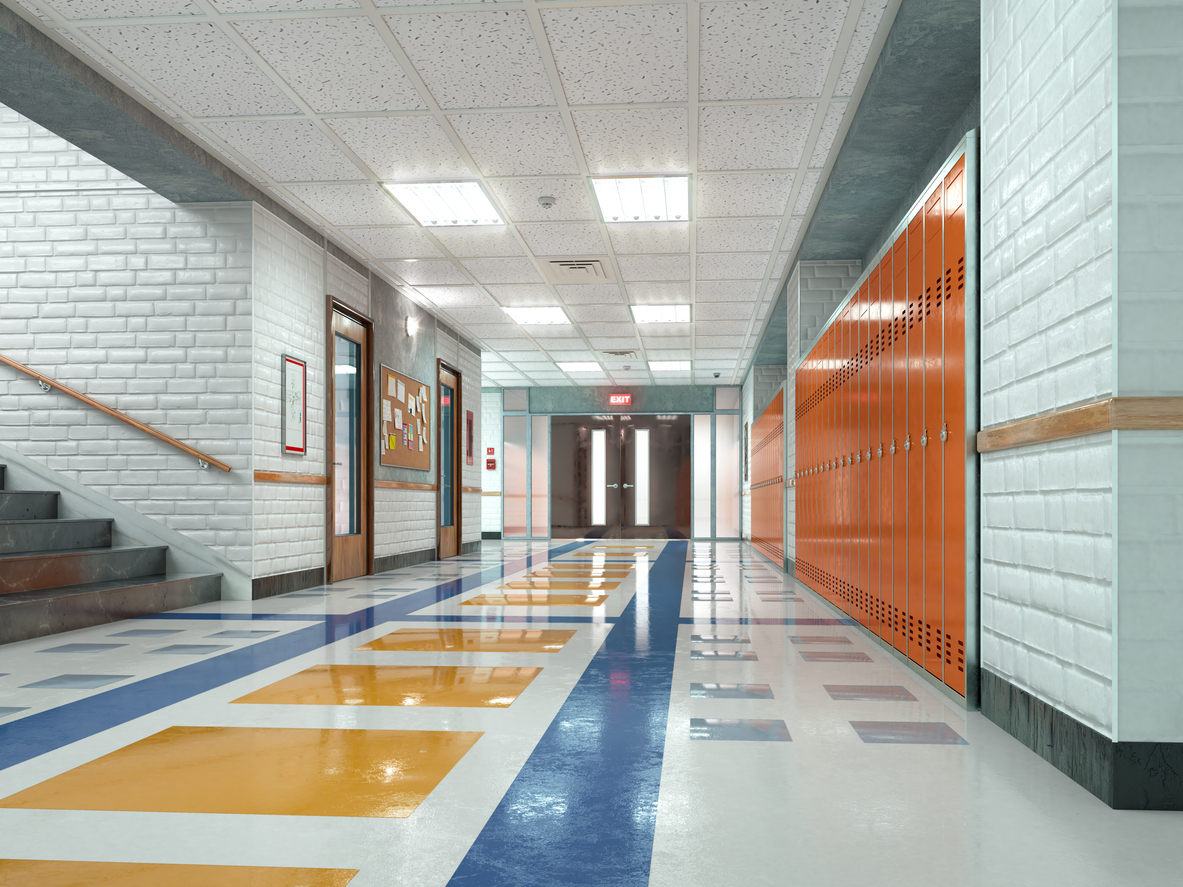
Picking Myself Up
In public school I learned that my academic success was up to me
About These Stories
YC runs intensive nonfiction writing programs for teens in New York City, where they’re mentored by a professional editor to write personal stories about their lives and about issues that affect young people. Their stories are then published and read by thousands of teens, educators, policymakers, and other adults who work with and for young people.