
American history lessons teach us that presidential candidates have always been white men. The presidency has become like a predictable movie with terrible casting. So maybe it’s not surprising that this year, as Hillary Clinton faced off against Barack Obama in the Democratic primaries, many voters and media outlets got excited and turned race and gender into a main focus of the political campaign.
In fact, it appears some voters based their support on these factors. According to the polling company Gallup, 68% of black Democrats surveyed nationwide in early February supported Obama, compared with only 35% percent of white Democrats. In January, 48% of Democratic women surveyed supported Clinton, compared with 38% of Democratic men. These divides suggest voters have flocked to the candidate that shares a part of their identity they consider important.
An article published on CNN’s website, cnn.com, in January highlighted this trend by describing how in South Carolina, African-American women faced a dilemma: Should they vote their race, or should they vote their gender? Angela Jackson, one of the voters interviewed, said she supported Hillary because “she’s a woman, I’m a woman.”
So Much at Stake
Democratic voter turnout in this year’s primaries has been way up, apparently because people are interested in candidates who aren’t the usual white males. I find it comical that people are so eager to vote but may be motivated only by their candidate’s race or gender, which is one feeble reason for supporting someone.
Our inclination to side with the candidate who shares some part of our identity can distract us from much more important factors that should play into our voting-like the ideas, integrity, leadership and moral worth of a candidate. isn’t the purpose of the presidential election to choose the person best suited to govern the country, not the person who “looks” best seated in the Oval Office?
Most of us today wouldn’t get caught making a racist or sexist comment in public, yet we are willing to side with a candidate based on how they resemble us physically. One of my friends recently told me, “I wouldn’t vote for a woman for president because they are more likely to fall victim to a power struggle, so they would be unfit to take charge and run the country.” (His name will remain anonymous, since he fears no girls will like him if they know about his sexist ideology.)
We Need Real Change
When we’re swayed by a shared “connection,” not only are we making a decision with very little thought, but we also risk the well-being of our country. If it’s wrong to judge an individual superficially, it’s even worse to evaluate a potential leader on this basis, because there is so much at stake.
Ignoring pressing problems has gotten us more problems-for example, ignoring the environment has led to global warming, and ignoring the rising cost of health care has led to a situation where people find it difficult to afford medical treatment.
We may be tired of white men in the White House, but making external changes won’t improve the country or the world. Real change will occur when a chosen candidate commits to supporting environmental conservation and other important issues. This kind of president would make a real difference, no matter what his or her race or gender. A woman is no more or less likely to end world pollution just because she has two X chromosomes, and a mixed-race candidate doesn’t necessarily know more about health care.
Only if we choose to see beyond ourselves can we guarantee the best for all. It’s like that old saying our teachers and parents told us when we were young, “look before you leap.” We should look carefully at all candidates’ policies before we make that “leap” in the voting booth this November.
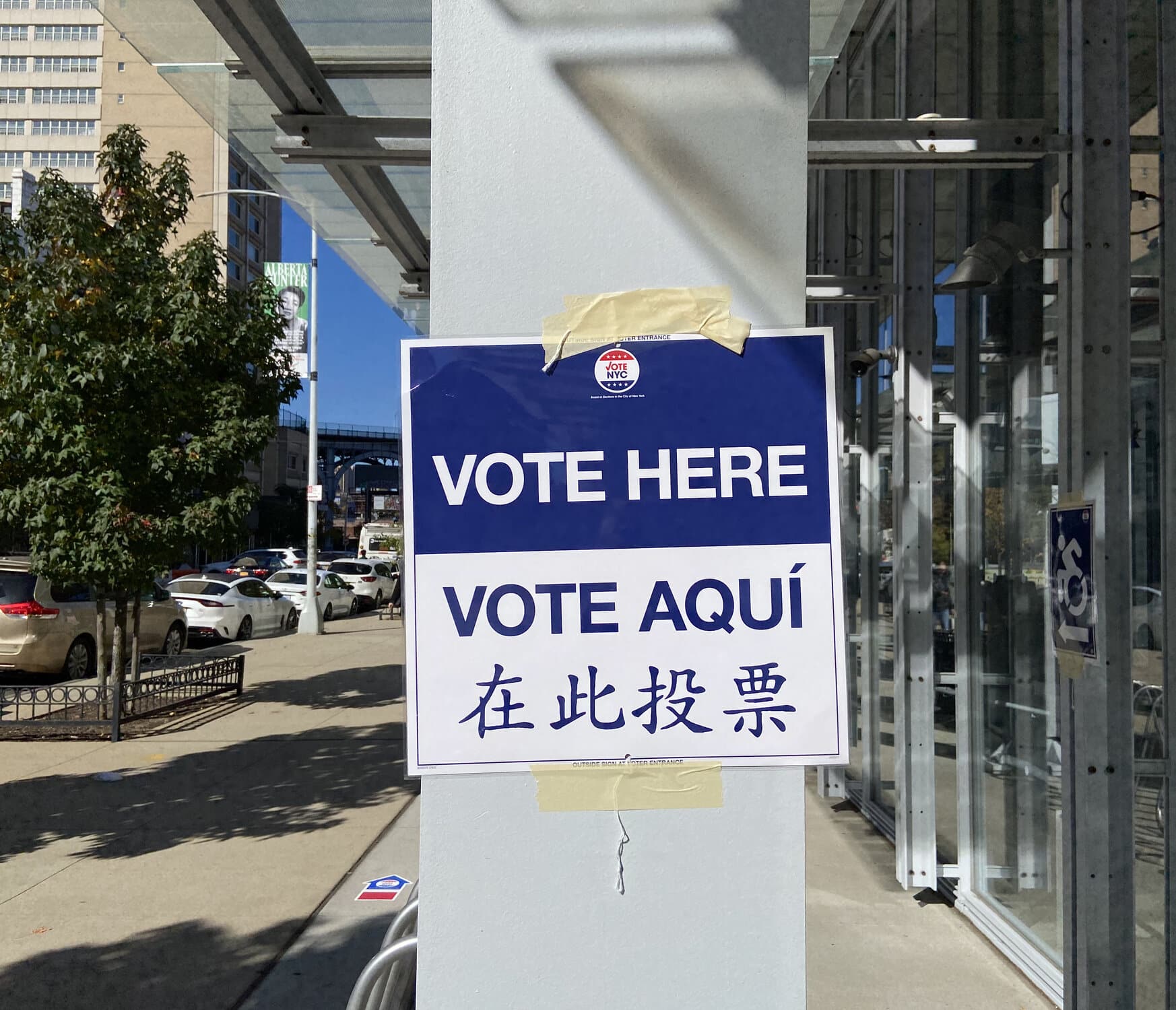
Race and Gender in the Election
Seeing Beyond Ourselves
About These Stories
YC runs intensive nonfiction writing programs for teens in New York City, where they’re mentored by a professional editor to write personal stories about their lives and about issues that affect young people. Their stories are then published and read by thousands of teens, educators, policymakers, and other adults who work with and for young people.