
The lead-up to the 2008 presidential election has dragged on for a long time. Before voters get to choose between a Democrat and a Republican in November, each party must select its nominee. This is done through a series of statewide votes (which fall into two categories: primaries and caucuses). The “primary season” this year began with the Iowa caucuses on January 3, and won’t officially end until July, when all the states will have voted. Think playoffs, stretched out over six months.
But the winner of these contests may be clear long before the last scheduled match-up. In each statewide vote, candidates compete for delegates-supporters who will officially nominate them at their party’s convention in late summer. Once a Republican wins 1,191 delegates, he or she is assured of getting the party’s nomination. Senator John McCain hit that number on March 4, so he’ll run against a Democrat in the fall.
Superdelegates to the Rescue
Who will that Democrat be-Senator Barack Obama or Senator Hillary Clinton? As we go to press, the answer is getting clearer but officially remains uncertain. A Democrat needs 2,025 delegates to clinch the nomination. Obama has won more delegates than Clinton, but they have competed so closely that neither can reach the magic number based on state-by-state wins alone.
That’s where “superdelegates” come in. These are Democratic party insiders (members of Congress, governors, former presidents, etc.) who get special say in choosing the nominee. If one candidate really cleans up in primary season, superdelegates don’t matter much. But this year, they’ll act as tiebreakers. So, while they have no superpowers, superdelegates have been getting a lot of attention from the candidates and feeling special.
Still, many Democrats want a definite nominee as soon as possible, so superdelegates also face some pressure to pledge their vote to one candidate or the other as soon as possible. At the very latest, the Democratic nominee will be clear after the Democratic convention in Denver at the end of August. Then the final push in the marathon for the White House begins.
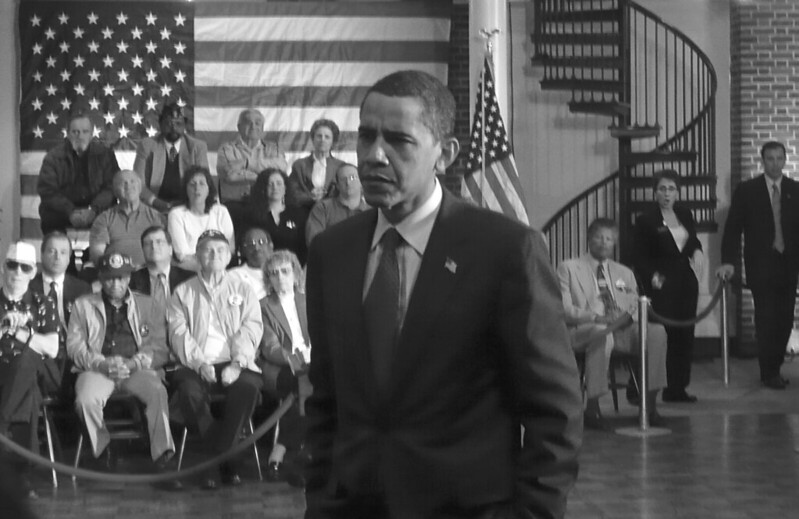
Election 2008: Who’s Still in It?
About These Stories
YC runs intensive nonfiction writing programs for teens in New York City, where they’re mentored by a professional editor to write personal stories about their lives and about issues that affect young people. Their stories are then published and read by thousands of teens, educators, policymakers, and other adults who work with and for young people.