
From the moment I was born, I had trouble breathing on my own. The doctors told my parents I had asthma, a respiratory disease that affects the airways (the tubes carrying air in and out of your lungs) and can be life-threatening.
When I was little, I got an asthma attack at least twice a month and went to the hospital a lot. When I got an attack, the pain was like a dagger being plunged into my chest and twisted over and over, and it was hard to breathe. The pain only went away if I stayed still.
Having an attack was scary, but I always forgot about it afterward. I was still young, so I didn’t have a grip on my situation yet. I did what other little kids did-I had fun and I acted as if I didn’t have a care in the world. When I think back to my years of fun and youth, I’m glad I enjoyed them, because I was about to face reality.
A Long Night in the Emergency Room
One evening when I was 10, I was watching TV with my sisters in the living room when, without warning, I felt a sharp pain in my chest. I tried the inhaler my parents had just gotten for me, but it didn’t work. I told my mom and she asked me, “Do you want to go to the hospital?” I didn’t want her to take me because I knew we’d be there all night. I hated my asthma because at times like this, I felt like a burden to my parents, making them go out of their way for me.
But the pain in my chest was getting worse, so we got dressed and told my sisters that we’d be back late. In the emergency room, we went to sign in and I was horrified at all of the names that were already on the list. I knew this was going to be a long night.
We found seats among the many occupied ones. I wanted nothing more than to just lie on the floor and sleep amongst the sounds of phones ringing, babies crying and people talking. The pains in my chest kept going on and off as I tried to find a comfortable position in my chair. It was two or three hours before my name was called.
When I finally got to the examination room, the doctor put the cold metal of her stethoscope on my chest. “Breathe in and out,” she said. Then she hooked me up to a machine that was like a giant inhaler. It had some liquid in a little case that turned into vapor. “Keep inhaling until the liquid is all gone,” she said.
My mother sat down beside me, grabbed my hand and gave me her usual smile that told me that everything was going to be all right. As I inhaled the vapor, I began to feel relieved. The pain in my chest was going down. But I was also angry at the long wait, and very tired. It was after 2 a.m. when we left the hospital.
After that, I swore that I would take better care of my asthma so that my mother and I wouldn’t have to spend another night at the hospital. I knew from my parents and doctors that asthma attacks can be triggered by things like dust, pollutants, smoke and pesticides. So to prevent another attack, I started making an extreme effort to avoid anything that could be a trigger.
Seeing Triggers Everywhere
One day as I was walking to the store, I stopped short of several adults who were smoking cigarettes and cigars in the middle of the sidewalk. I told myself that it was just smoke, but in the back of my mind, I was saying, “It isn’t just smoke. It could really harm me if I inhale it.” Nervousness and bravery argued back and forth inside of me, but my nervousness finally won out. I crossed the street to avoid the smokers and continued on my way to the store.
Soon my life became ruled by my fear of an asthma attack. I became paranoid, worrying that whatever I did could trigger an attack. If I was eating something and my chest started hurting, I stopped eating it immediately because I thought it might contain ingredients that could mess with my asthma.
Trapped by My Obsession
If I was out with my family and we passed somebody smoking, I’d hold my breath and wait for the nauseating, toxic smell to pass before I’d let go of my breath. I always made sure no one was looking when I did it, because I didn’t want my family to suspect anything was wrong.
I began staying in the house more, only leaving to go to school or to the store. When kids in the neighborhood asked me why I stayed inside all the time, I said that I was scared of the sound of gunshots in our neighborhood. That was partly true, but I didn’t tell them that what I was more scared of was getting an asthma attack.
I stayed in that house for months, angry and sad, watching the other kids playing and wishing for a day when I could take off my asthmatic shell and join them. But the world isn’t fair. It doesn’t change its direction for one person.
My antics kept me out of the doors of that godforsaken hospital. My asthma was better, but now I was trapped by my obsession with avoiding an attack. I was making things better, but worse at the same time.
Sick of Feeling Scared
Not only did it start to interrupt my daily routines like school and chores, but my family had started to notice as well. They asked me why I didn’t play outside anymore. To spare myself the embarrassment, I told them I was afraid of all the gang activity in our neighborhood.
By the time I was in junior high school, I was exhausted. I was sick of feeling scared of my asthma. On New Year’s Eve, when I was 11 years old, I decided to take my life back.
My family and I were in the living room waiting for the ball to drop on TV. As we were feasting on chips and dip, deviled eggs and champagne, I thought to myself, “Maybe it’s time to make a change.” It felt appropriate since New Year’s is a time for making changes.
Taking My Life Back
I made a resolution for myself in my head. I promised to take it easier and to not get so stressed over my asthma. Then the ball began the final countdown. “Five, four, three, two, one! Happy New Year!” we shouted, clinking our champagne glasses. It felt like my family and all of America was joining in to welcome not only a new year, but a new me.
I put my new resolution to the test right away. At first, it was a little scary being outside and open to most asthma triggers. I had to mentally coach myself, saying, “You can’t be like this for the rest of your life. You have to take a risk sometime, and that time is now.”
For starters, I stopped making a detour anytime I saw someone smoking a cigarette. I told myself, “If I don’t breathe in the smoke, I’ll be all right.” I still kept my mouth shut while walking through the smoke and was careful not to breathe it in, but I tried not to be as paranoid about it as before.
Then I tried to get back into the spirit of playing outside again. I ran and played even though my chest was hurting, and I reassured myself that it was all right. Nothing bad happened. After a while, I started to feel more relaxed.
One day that summer, I went outside with a book and sat on the stoop to read. It was a little hot out, so I sat in the shade. The wind was blowing gently and it was quiet. Then my next-door neighbor and his friends came outside to smoke.
Normally, I would have gone back in the house to read. This time, I took my book and sat down on the bench opposite the stoop. The nearby smoke didn’t stop me from enjoying my afternoon. I was totally relaxed. I was glad that I no longer let my asthma get in the way of what I wanted to do.
I’ve Found My Balance
Now it’s been five years since I made my resolution. I play outside with my little sister and I run laps in gym. I feel more laid back.
I also haven’t had any asthma attacks in five years. This might be because I’m growing out of my asthma, which can happen sometimes, or maybe because I’m still careful to avoid things that trigger attacks.
I still get nervous sometimes when smoke blows into my face, and I never leave my house without my inhaler. But other than that, I’m fine. I’ve found ways to ensure that I have control of my asthma and not the other way around.
Looking back, I know I may have looked crazy doing things like crossing the street to avoid smokers and locking myself in the house. But I actually feel quite proud of myself for doing what I did. I was concerned for my health, and I took steps to take care of myself. I just went a little too far. Now that I’ve found my balance, all that’s left to do is maintain it.
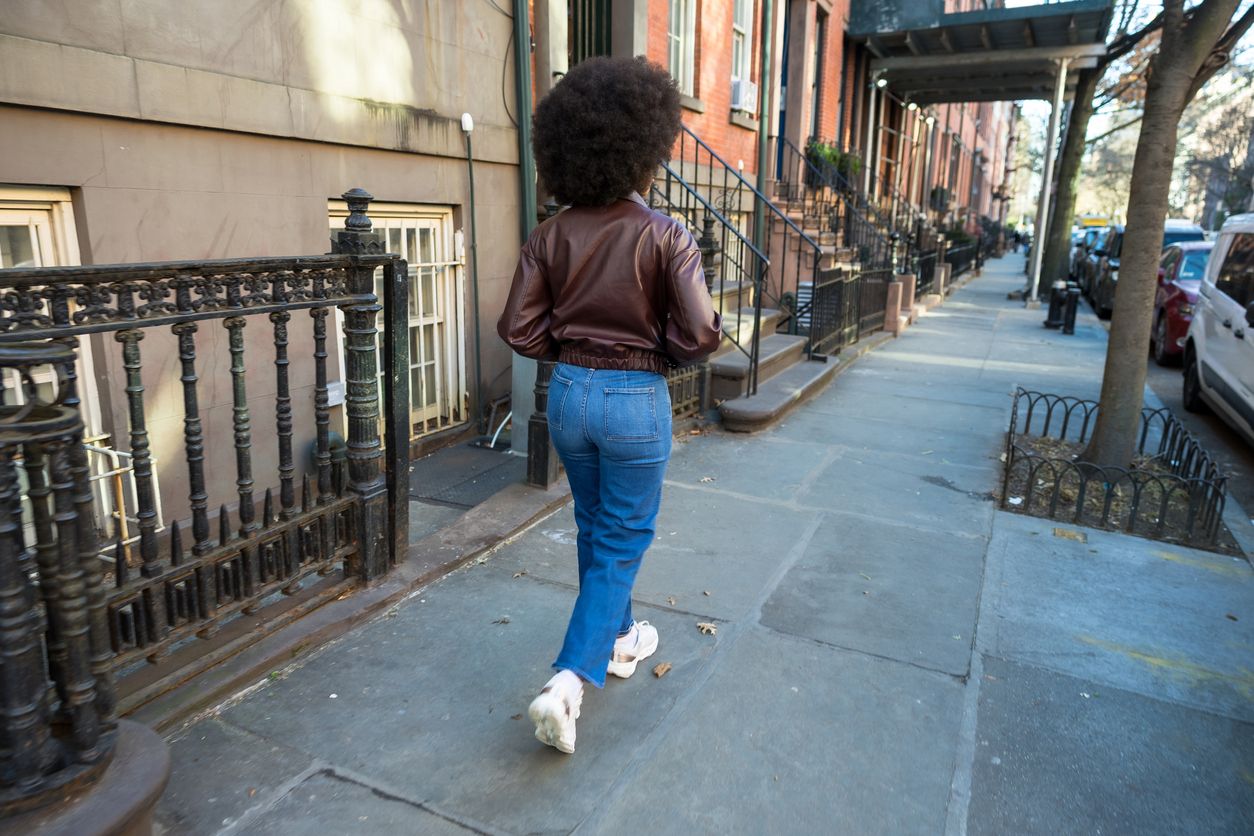
Breathing Easier
I won't let my asthma anxiety rule my life anymore
About These Stories
YC runs intensive nonfiction writing programs for teens in New York City, where they’re mentored by a professional editor to write personal stories about their lives and about issues that affect young people. Their stories are then published and read by thousands of teens, educators, policymakers, and other adults who work with and for young people.