
One night when I was 8, my family had fallen asleep when all of a sudden, my 7-year-old sister started to cough and wheeze, waking us all up.
My mother gave Marta her asthma medication, but it didn’t work. She got worse and we had to take her to the emergency room. After several tests the doctor decided that my sister should stay in the hospital for a week for more tests.
I was scared because I didn’t understand what was wrong with her. When she was released from the hospital, the doctor gave her some new asthma medication that worked better.
Marta isn’t the only person I know with asthma. My friend Vanessa, 18, also has it, and sometimes she wheezes during class. Once she couldn’t stop wheezing and had trouble breathing. But she took her medication and felt better after a few minutes.
Poor People More at Risk
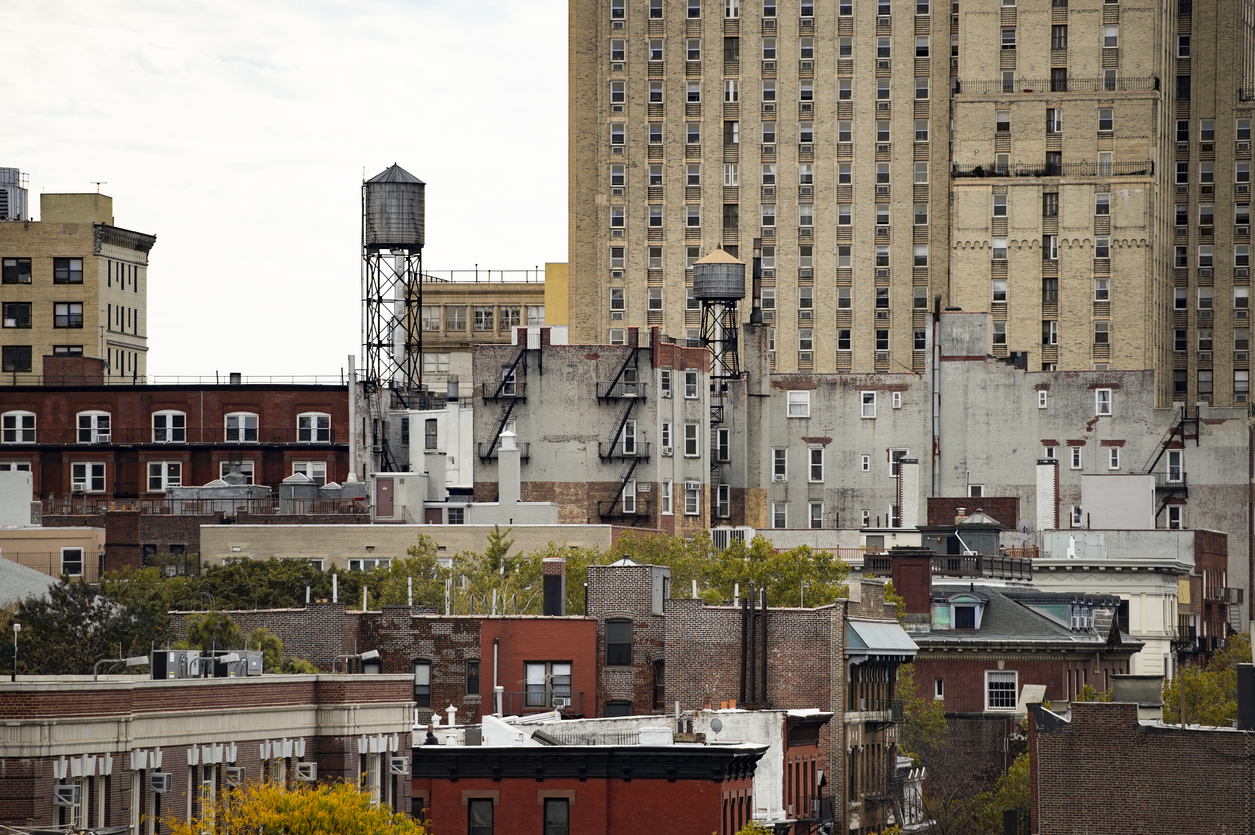
Living in East Harlem, asthma has always been a part of my life. I don’t have it, luckily, but I know at least 20 people who have to take medication to control it. Besides my father, most of the people I know with asthma are kids like Marta and Vanessa.
I learned recently that my neighborhood has the highest rate of asthmatics in New York City. In East Harlem, 435 children age 14 and under were hospitalized for asthma in one year-compared with only 40 children in the wealthy Upper East Side, according to a May 2003 asthma report by the New York City Department of Health and Mental Hygiene.
‘Toxic Dump’
And people of all ages from low-income neighborhoods are more likely to be hospitalized for asthma compared with residents of high-income areas, according to the report.
I’d never realized that so many people in East Harlem have asthma. And I didn’t know poor people are more at risk.
I wanted to know why, so I interviewed Yolande A. Cadore, the organizing director of West Harlem Environmental Action (WE ACT), an environmental justice group. Poor neighborhoods have so many things that cause pollution that she calls them “toxic dumping grounds.”
“Communities like East Harlem are burdened with polluting facilities, like a multi-storied diesel bus depot operated by the New York City Transit Authority, a sanitation truck depot and a sewage treatment plant on Ward’s Island,” said Cadore, in an email.
“These communities bear the burden-high asthmas rates, lung and heart disease, obesity and diabetes.”
I was outraged when I learned about the incredible amount of pollution in my neighborhood-and that it can trigger asthma attacks.
Low-income neighborhoods like Harlem shouldn’t be forced to deal with the pollution caused by these sewage plants and bus and truck depots near our homes-these facilities benefit the entire city. Maybe the city should build sewage plants in high-income areas. That way rich people would understand how people in low-income neighborhoods feel.
We Need to Organize
Since I doubt that will ever happen, we need to organize to protect our community. That’s our only hope of getting rid of the things that pollute our neighborhoods.
Cadore agreed that teens can make a difference. “Teens can start by educating school administrators, peers, pastors, landlords and parents about the need to protect and defend their environment,” she said.
For more information on WE ACT, call (212) 961-1000 ext. 316 or visit www.weact.org.
Too Many Teens With Asthma
About These Stories
YC runs intensive nonfiction writing programs for teens in New York City, where they’re mentored by a professional editor to write personal stories about their lives and about issues that affect young people. Their stories are then published and read by thousands of teens, educators, policymakers, and other adults who work with and for young people.