
Why are the two major presidential candidates in this November’s election once again men? In a recent poll, 92% of Americans said that they’d like to see a woman run for president. That’s a vast majority of the population, so what’s the problem? Where are the female candidates?
I interviewed Marie Wilson, a leader in the feminist movement and president of the White House Project, an organization that has many different plans to try to get more women into political office. they’veeven helped create the White House Barbie, a regular Barbie doll with the outfit and accessories of a president. (Hopefully, by the time some of the girls who grow up with those dolls become adults, they’ll be inspired to run for office.)
Caretakers Can Be Tough Leaders
When I asked Wilson about the obstacles that women have to overcome before one of us could get elected president, she told me something that seems like common sense: It doesn’t seem normal to a lot of people to think of a woman as president, and part of the reason is simply that there aren’t enough women running for president.
When a woman does run, it seems pretty strange. Wilson thought it was great and brave that Carol Moseley Braun, the former senator from Illinois, ran in the Democratic primary this year. But she said that it’d be better if three or four women ran.
Many people think of women as caretakers, as people who are understanding, patient and kindhearted. But some wonder whether a caretaker will be a resilient and tough leader. Wilson said that women can begin to erase those doubts by running for office and showing that we’re ready to have power.
Need More Women in Congress
Wilson stressed that the presidency is just one office, and that many other places of power could use more women. “we’re not just interested in having a female president. It’s about getting the numbers of women in leadership up across all levels.”
Right now, women make up only 14% of Congress and 20% of state legislatures. “We have nine female governors now. That’s a record!” she exclaimed. But that’s only nine out of 50 governors in the country. Since women make up more than half the population of the United States, it’d be better if we had 27 or 28 female governors.
Wilson said we’d be more likely to have a woman president if we had more women politicians in general. Since the people who run for president don’t come out of nowhere, women need to hold lower offices in order to aim for higher ones, like the presidency. They need to build a foundation first, then move on up.
Get Activists to Run for Office
One program that the White House Project has started is called “Vote. Run. Lead.” Wilson and her staff have recruited 1,000 women across four states, all of whom have been active in their communities. These women have tried to change politics from the outside, as activists, but they might not have ever thought of themselves as people who could change politics from the inside, as politicians.
The goal of Vote. Run. Lead. is to encourage these women to run for office, to show them how to do it and to have them meet with other women in power to inspire them.
But would having more women in office make any real difference in our country?
Wilson thinks so. For one thing, she said, when women serve in political office they tend to propose and pass legislation that benefits children and families.
She explained that throughout history, because women haven’t often had positions of power, they’vehad to gain power by bringing people together. She said that studies show that women still do that when they get into office. They tend to get more input from the people who voted for them and help other politicians work together and make compromises. Both of those things are good for democracy, Wilson said.
Cover Issues, Not Hairdos
But it’s not only women who need to do more. Wilson would like to see the media change as well. “It would help if we saw images of powerful women in the movies or on the TV.”
The White House Project meets with directors and producers, trying to get more shows and films made with women in leadership positions.
And they count the number of women who appear on the Sunday political talk shows. What they’velearned isn’t surprising-there are very few women.
When the media does put a female politician on TV or in the newspaper, “They tend to focus on her personal life instead of her campaign,” Wilson said. “They pay more attention to family, marriages and hairdos.”
It’s fine to know personal stuff about candidates, Wilson added, because that can make you feel like you can relate. But you should also know their positions because that helps you decide whether you can trust them as leaders.
Let’s See More Women Leaders
I think all of Wilson’s ideas are interesting. But mainly I think it’s just a good thing for women to see other women leading. It would make us younger women feel stronger to see older women in charge.
In a country where more than half of the population is women, I think we ought to try for equal representation. Wilson said, “We have a representative democracy, but we aren’t very serious about representation.” I agree.
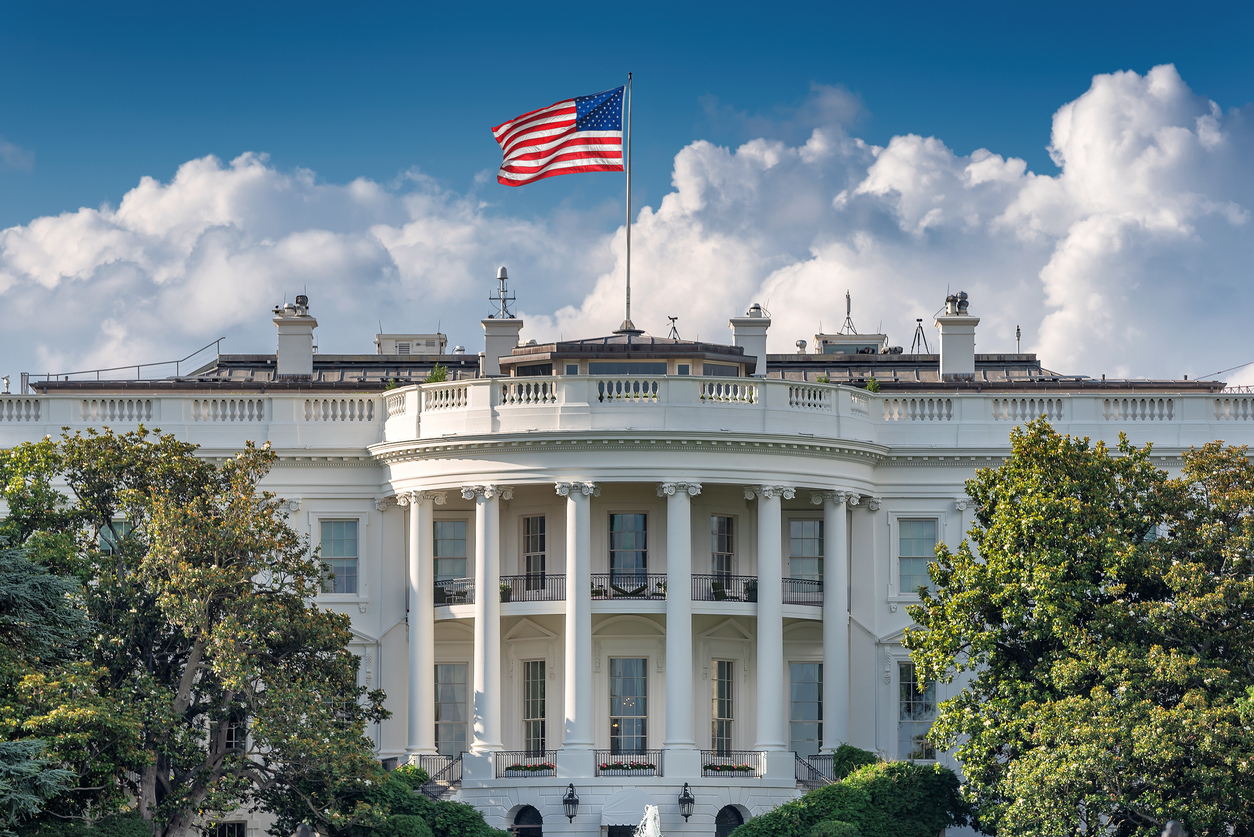
Why Not a Woman President?
About These Stories
YC runs intensive nonfiction writing programs for teens in New York City, where they’re mentored by a professional editor to write personal stories about their lives and about issues that affect young people. Their stories are then published and read by thousands of teens, educators, policymakers, and other adults who work with and for young people.