
My school is a zoo with seats. Kids gamble in the lunchroom and fight by the gym. we’re on the list of worst New York City schools, maybe because it’s hard to learn in a place where a student is being beaten with a chair right in the library (even though we have security there). We have a gang called DDP (Dominicans don’t Play). They sneak locks into school on their belts and hit kids with them (and it ain’t pretty). A girl I know was hit twice on the head. You should have seen the size of those knots.
Incidents like this are what made Mayor Bloomberg announce in December that he’s cracking down on school safety. Bloomberg placed stricter discipline codes on 12 city schools, codes that are stricter than the rules issued to the entire school system this fall.
Those 12 schools, which have been called the “dangerous dozen,” include mine, Adlai Stevenson HS in the Bronx. The others are: Evander Childs HS, Christopher Columbus HS, JHS 22 and IS 222 in the Bronx; Washington Irving HS in Manhattan; South Shore HS, Carnarsie HS, Thomas Jefferson HS, Franklin K. Lane HS and Sheepshead Bay HS in Brooklyn; and Far Rockaway HS in Queens.
Those schools together contributed 13% of all serious crimes in city schools last year and have had about eight times as many violent crimes as other middle schools and high schools.
The “dangerous dozen” are actually the exception to the trend in school crime: crime in the schools has gone down sharply in the last few years, and two-thirds of the schools had no safety problems at all, Bloomberg said.
The Dangerous Dozen
Under the mayor’s new plan, the number of police officers in the “dangerous dozen” doubled-and an additional 150 new cops arrived in those schools this month. There is a total of 4,108 security guards in the schools this year, the most ever.
Bloomberg’s plan for these schools also includes a “three strikes and you’re out” policy, which just started in my school. Now, students who are suspended for 30 to 90 days get sent to separate suspension centers, and violent or disruptive kids can get transferred out of my school entirely.
The crackdown already has shown results. In its first week, the mayor said, the number of “safety incidents” and daily arrests in the “dangerous dozen” went down by about one-third.
Getting Tough
When we spoke to Schools Chancellor Klein this fall, safety was one of his top issues. He told us that he’s also introduced some new ways to keep the schools under control. He created the discipline code for the whole school system. He hopes to install more security cameras. And he wants teachers in the halls patrolling between classes. “I think you’ve got to get tough on this situation,” Klein told us. “Nobody wants to be unsafe at school.”
The biggest change is that he’s started 16 “New Beginnings Centers,” which are schools just for people who misbehave. The schools offer smaller classes so students can focus. Klein explained: “We obviously want people to feel safe when they go to school, and we want to create a new environment” for the students who cause trouble.
I think it’s good that the mayor and chancellor want to get tough on violence in our schools. Nobody wants to go to a school where they feel unsafe and wonder whether they’re going to come home with a humongous knot on their head.
I’d like to say that I just go to my classes and block out the negative things. But in truth, the kids in my school are distracting enough to drive me away. They make learning almost impossible. It’s like they figure that if they can’t learn, nobody should.
Security Alone Won’t Help
But while hiring extra security might help, I think security guards need better training and students need better guidance.
In my school, the security guards get close with some kids and play favorites. Some even flirt with or sexually harass the girls.
Klein told us that students should report it when we notice sexual harassment or favoritism. “No security guard should be covering for a kid who’s playing hooky. If it’s happening, somebody needs to know about it and take appropriate action,” he said. “That’s the only way you’re going to change things like that.”
Train the Security Guards
Better training for the guards can help. I talked to Cory Feldman, who last year trained security guards to use positive feedback to get kids to behave, as part of a three-year project of the Vera Institute for Justice. She said guards often get friendly with kids who are always in trouble-but that doesn’t help those kids or anybody else.
“If everybody pays attention when you’re bad, you’re going to start acting out all the time,” Feldman said. She taught guards to give kids more attention when they did positive things, so they’d want to behave better.
Students often act out because they don’t get enough attention at home, or because they’re frustrated and can’t catch up in class. These kids need an adult to step in. “When you have someone who’s 15 and having trouble getting along with their peers, following rules or completing work, that’s when the adults in their lives need to get together and find out what’s going on,” Feldman said.
Counselors can’t Step In
If that’s going to happen, we need more guidance counselors. The average counselor is supposed to deal with no more than 250 students, according to the American School Counselors Association. But in New York City, counselors have an average of 400 students. There’s no way they can reach out to so many kids.
Klein told us that he hopes to hire more guidance counselors soon. But it seems to me that if the city could find the money for more police and security, it could have found the money for more counselors.
Maybe the crackdown on school violence will change Stevenson. It’s already a little calmer. But I’ve started to think I’ll get a better education in a smaller school where I can learn in a more peaceful atmosphere.
When I visited Unity HS in Manhattan, which has 195 students, the kids seemed to have a more positive attitude and seemed close-knit, like a family. That’s what I need-a place where people treat each other with respect and where the students want to learn.
-Additional reporting by Caitlin Lemmo and Luce Tang
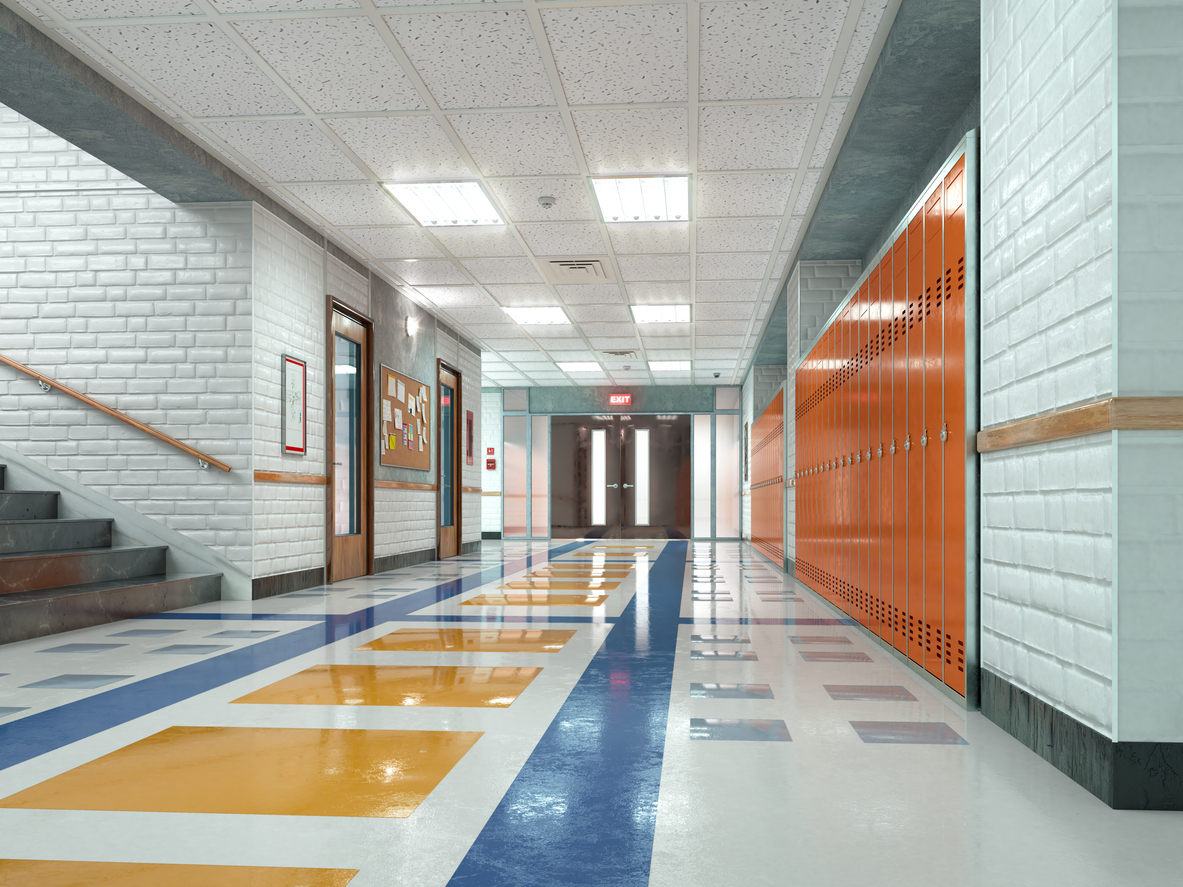
Life at One of the `Dangerous Dozen’
About These Stories
YC runs intensive nonfiction writing programs for teens in New York City, where they’re mentored by a professional editor to write personal stories about their lives and about issues that affect young people. Their stories are then published and read by thousands of teens, educators, policymakers, and other adults who work with and for young people.