
Taking a college class about affirmative action made me think about how the history of Black people in this country might affect how well we do now. But it also made me think about the inequalities that many of us-primarily Blacks and Latinos-still face.
Many people tend to assume that the effects of discrimination in this country are over. But I don’t think that’s true.
The Inequality Is Evident
The inequality is evident in the schools we go to and the neighborhoods we live in.
Many Blacks and Latinos live in neighborhoods where the public schools are terrible, and the streets are filled with garbage and crime.
Of course there are plenty of poor White people, too. But many more Whites live in nice neighborhoods and go to nice public or private schools.
They go to schools with fewer than 30 students in a classroom, and with enough books for every student, and they have qualified teachers.
The public high school I attended, in Harlem, was 40% Hispanic and 50% Black.
Roaches, Rats and Textbook Shortages
I always thought I attended a pretty good public school, and received a pretty good education. But when I compared the conditions of my school to some of the things other students in college said about their schools, I began to think again.
In my school, each class had more than 35 students. Some classes had more than 40 students.
In my math class, students had to borrow chairs from other classrooms to sit down. Some classes would be taught in the auditorium to provide enough room for all of the students.
We had a constant textbook shortage. In my English class, we had to share textbooks and the teacher had to make copies for the rest of class. Often the textbooks were outdated.
We also had to go to school with roaches and rats. Sometimes the pipes would break, and there wouldn’t be any hot water or the bathrooms would flood.
Of course, going to a school like that put me at a disadvantage when I first arrived at the University of Michigan, where I am now a freshman.
It wasn’t because I was less intelligent, or hadn’t worked as hard, but because I hadn’t had the same educational opportunities as many of the other students.
I Am Succeeding
When I first came here, I wasn’t as strong in writing and research as some of the other students, even though I love writing. And I was not used to reading so many pages in textbooks.
I wasn’t that far behind. If I had been, I would never have been accepted into the school in the first place. But even though I was able to cope, sometimes I felt that I did have to work harder than other students to keep up.
During the semester, I studied almost every day and went to tutoring for the extra help I needed. I pushed myself to succeed.
In the end, I received A’s in my affirmative action and African-American studies classes, an A- in my sociology class, and a B- in my political science class. The hard work paid off. And every day I feel less and less that somehow I don’t belong.
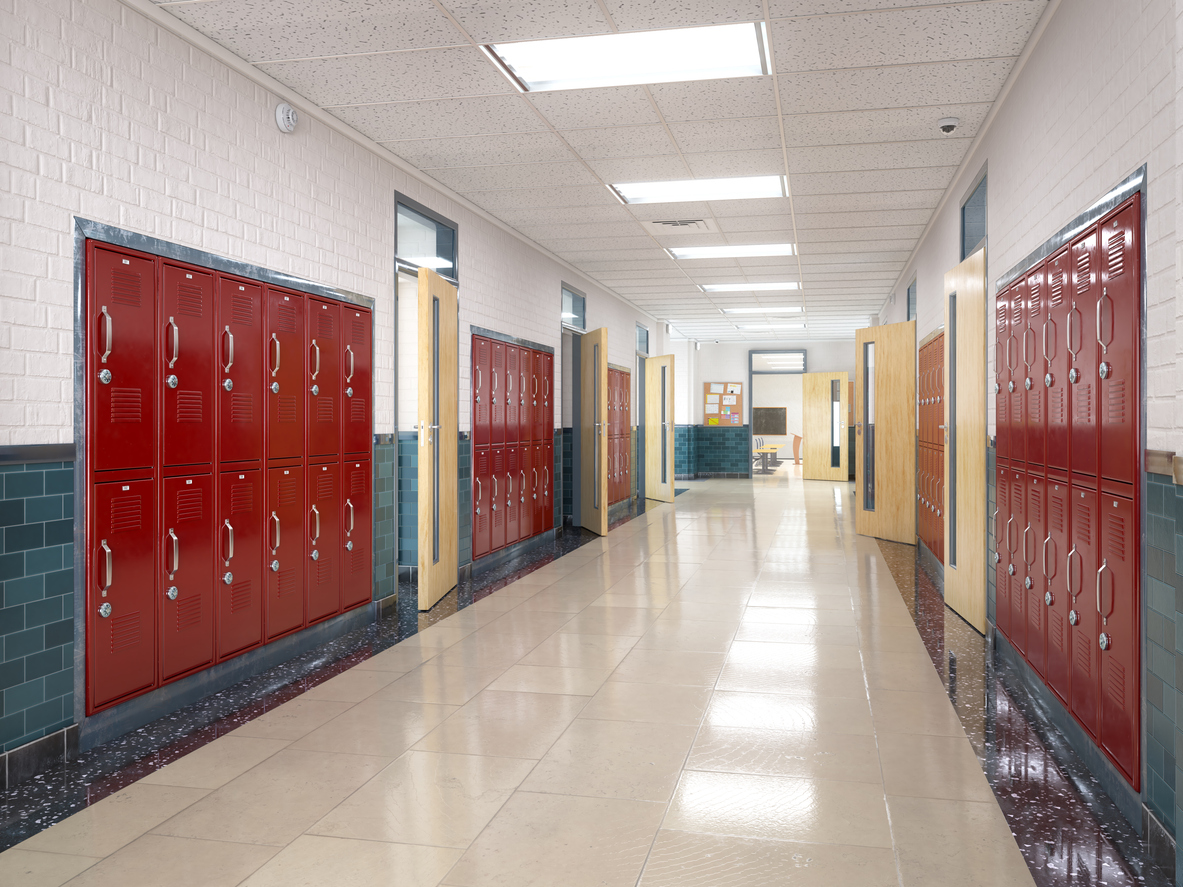
In School and Cities: The Inequality Is Obvious
About These Stories
YC runs intensive nonfiction writing programs for teens in New York City, where they’re mentored by a professional editor to write personal stories about their lives and about issues that affect young people. Their stories are then published and read by thousands of teens, educators, policymakers, and other adults who work with and for young people.