
Survivors of rape often do not know how to handle their feelings about what has happened to them. Victims should know that there are people out there who want to help them.
Patti Feuereisen is a psychologist who counsels teenage girls who have been raped or sexually abused. She had a lot of information and advice to offer.
First of all, she said, a rape victim should go straight to a hospital after the attack. Most hospitals have a rape crisis unit. Hospitals also have counselors who can help rape victims deal with their feelings.
Talk It Out
Dr. Feuereisen said it is extremely important to talk to someone, whether it is a counselor, a best friend or a parent. Talking about what happened can help victims deal with their feelings of terror, shame and humiliation.
“Rape survivors have different reactions. Some girls go into denial, they make themselves believe that nothing happened to them. They block it out. Now this can be very dangerous,” said Dr. Feuereisen. “They could have a delayed reaction about a year or more later when something reminds them of what happened.”
You Can Feel Happy Again
Many people who have been raped believe they will never get over the trauma. But Dr. Feuereisen said that teenagers who have been raped and who talk out their feelings can expect to feel happy about their lives again within a few years.
Some people believe that one type of rape, either date rape or rape by a stranger, is more traumatic than the other. This is completely untrue, Dr. Feuereisen said. Each is a violation and has its own trauma and problems.
In cases of date rape, the girl often feels responsible or guilty. Victims of date rape may blame themselves for being drunk or high, or they may feel like they led the guy on by being flirtatious. But these things never make date rape a girl’s fault.
Girls: Band Together
If a girl feels guilty, she often doesn’t want to talk about it or deal with what happened. Sometimes date rape victims even stay with the guy. But it is important for all victims of rape to talk about it and get support.
Dr. Feuereisen also suggested that when girls go to parties, they take steps to decrease their chances of getting raped.
They shouldn’t be drunk or stoned alone. If they want to get some play, that’s fine, but girls should make it clear where their limits are. For the guy, getting some play might be going all the way.
“Girls need to band together and watch out for one another, guys will not defend girls. If you’re going to get drunk and stoned, make sure you have a friend who is clean that is going to be looking out for you,” Dr. Feuereisen said.
Anxiety and Panic States
When a girl is raped by a stranger, she tends to feel less guilty and she is more likely to go to counseling.
Stranger rape causes girls to feel anxiety and panic states in everyday life. They are often scared of the subways, they have nightmares and tremors, and they’re afraid to go outside.
Girls who have been raped can have trouble sleeping, and they can get so depressed they eat too much or not at all. Eating disorders may develop. Often their grades take a dive.
Guys can be raped, too, and sometimes it can be harder for them to admit it, because they think rape only happens to girls.
But if a guy is raped, he need help, too.
Incest Victims Need Help, Too
Victims of incest should also seek help. Kids who have been sexually abused suffer from many of the same problems as rape victims, Dr. Feuereisen said.
And incest can be even more traumatic, because an older person whom you trust is victimizing you.
“Sometimes when a girl is younger and she is molested, later on in life she doesn’t know how to say no to sex. Incest survivors often become promiscuous. This could affect her throughout her adult life,” Dr. Feuereisen said.
In Dr. Feuereisen’s opinion, a girl who has been raped or sexually abused should see a female counselor and should receive interactive counseling, where the girl and the counselor both talk.
“Survivors should not be afraid to talk about what happened. Sometimes they are afraid or ashamed and some are scared to relive the incident, but some have to relive it every day. It is OK to think all these things,” Dr. Feuereisen said.
Try To Be Open
She also recommended group therapy. That way the girls know that they are not alone.
She suggested that victims should be open with what happened to them because it will make it easier for them later on.
However, she warned that they will probably get some negative criticism from people who don’t understand what happened. In cases of date rape especially, some people will say you deserved it somehow.
Afraid To Trust
Girls also have to realize that being raped or molested might affect future relationships. Girls may feel afraid to trust a partner and may fear physical pain during intercourse.
Rape victims have trouble feeling comfortable or being able to get excited by physical intimacy. This is because the body can shut off natural responses that happen during intimacy. Dr. Feuereisen said it takes time and work, but victims will get over it and get back to normal.
A Wound That Will Heal
“I see rape as a scar or wound that has just been cut open,” Dr. Feuereisen said. “When it opens, it is vulnerable. When it is sewn up it takes a long time for the flesh to heal. You can always feel the scar, always feel something. You will feel it less and less even though you know it is always there. But you will get over it.”
Dr. Feuereisen has a private practice in Brooklyn Heights. She also runs a group for adolescent girls. They can call her at 718-797-9652.
If you would like to talk to a counselor, you can call the Long Island College Hospital Rape Counseling Program at 718-780-1459.
You can also call People Against Sexual Abuse (PASA) at 718-834-9467.
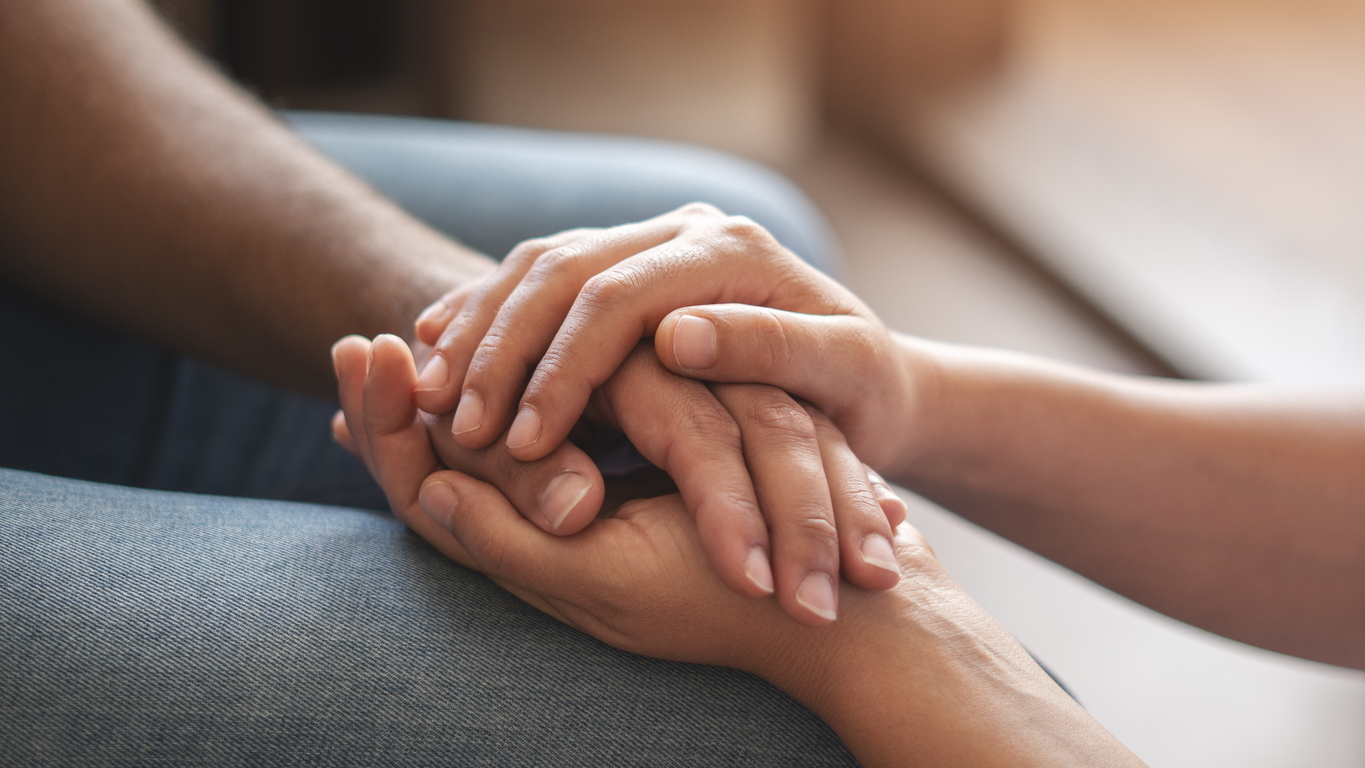
Recovering from Rape: Helping the Wounds Heal
About These Stories
YC runs intensive nonfiction writing programs for teens in New York City, where they’re mentored by a professional editor to write personal stories about their lives and about issues that affect young people. Their stories are then published and read by thousands of teens, educators, policymakers, and other adults who work with and for young people.