
At the Woodstock 2 music festival last summer, everyone was so into being muddy and enjoying the music of the top rock, punk and alternative bands that they didn’t notice what they were leaving behind-millions of plastic containers.
Who was responsible for the mess? The environmental group Greenpeace says that Pepsi, the festival’s major sponsor, was the culprit. Although Pepsi is just one of many soda companies giving up glass in favor of “more convenient” plastic bottles, Greenpeace has singled them out for criticism because of the way they handled their beverage concessions at the festival.
According to Deborah Rephan, a spokeswoman for Greenpeace, Pepsi, instead of doing something environmentally sound, “did the complete opposite.” The company could have used soda machines and refillable cups to sell their product at the festival, Rephan pointed out. Instead, Pepsi brought millions of plastic soda bottles to Woodstock 2.
“All this garbage ended up in overflowing trash cans, being dumped into landfills or buried in the ground where it would never naturally break down,” Rephan said that’s why Greenpeace wants to encourage Pepsi and other beverage companies to cut back on their use of plastic containers and return to using glass bottles.
Does Recycling Really Help?
According to Rephan, even when we put our plastic soda bottles into the recycling bin, we are not helping the environment that much. When plastic bottles are collected for recycling, she said, one of two things happen: they get dumped and left, or they are taken to a factory to be melted and made into other plastic items.
But when plastic is burned, it releases toxic materials that are dangerous to workers and the environment in general. These fumes that result are a major contributor to the depletion of the ozone layer in the earth’s upper atmosphere. A form of oxygen, ozone normally stops much ultraviolet (UV) light from the sun (which can cause skin cancer and early wrinkling of the skin) from reaching us. So, according to Rephan, the process of recycling plastic actually creates pollution. (This doesn’t happen when you recycle glass.)
Pepsi’s Side
When I spoke with Pepsi, a company spokeswoman, Amy Sherwood, took issue with much of what I had heard from Greenpeace. “Pepsi products are 100% recyclable,” Sherwood said. “You can even visit one of our plants. There, the plastic is melted into clothing, carpets, even alternative fuel and other plastic items.”
Since I was getting conflicting viewpoints, I also talked to an expert who is not associated with either Greenpeace or Pepsi about the issue. Gregory Dolan, press officer with the New York State Department of Environmental Conservation, told me there are both pros and cons to recycling plastic. Recycling “saves space in the landfill” (where garbage is left) and it “conserves energy,” he said. Some plastics can also be reused to make park benches and garbage cans.
But other plastics, Dolan says, are tougher to recycle, and there are also potential hazards. Plastic is sometimes burned in an incinerator to reduce its size. (A ton of plastic, which weighs 2,000 pounds, when burned turns into 200 pounds of ash). But “sometimes the plastic can cause more toxic pollution when burned,” releasing fumes, he said.
Amy Sherwood told me the only reason Pepsi has been using so much plastic is “consumer demand.” She said whether Pepsi uses plastic or glass bottles is “up to the consumer. What the public prefers determines which package is sold.”
In other words, you have the power to stop Pepsi, because you’re the one with the dollars, the one that makes them money by buying their products. Don’t make them any richer for hurting your home, your planet, your body. I have told you some of the effects of melted plastic on the environment. Now it’s up to you to decide whether our planet is a just cause or not.
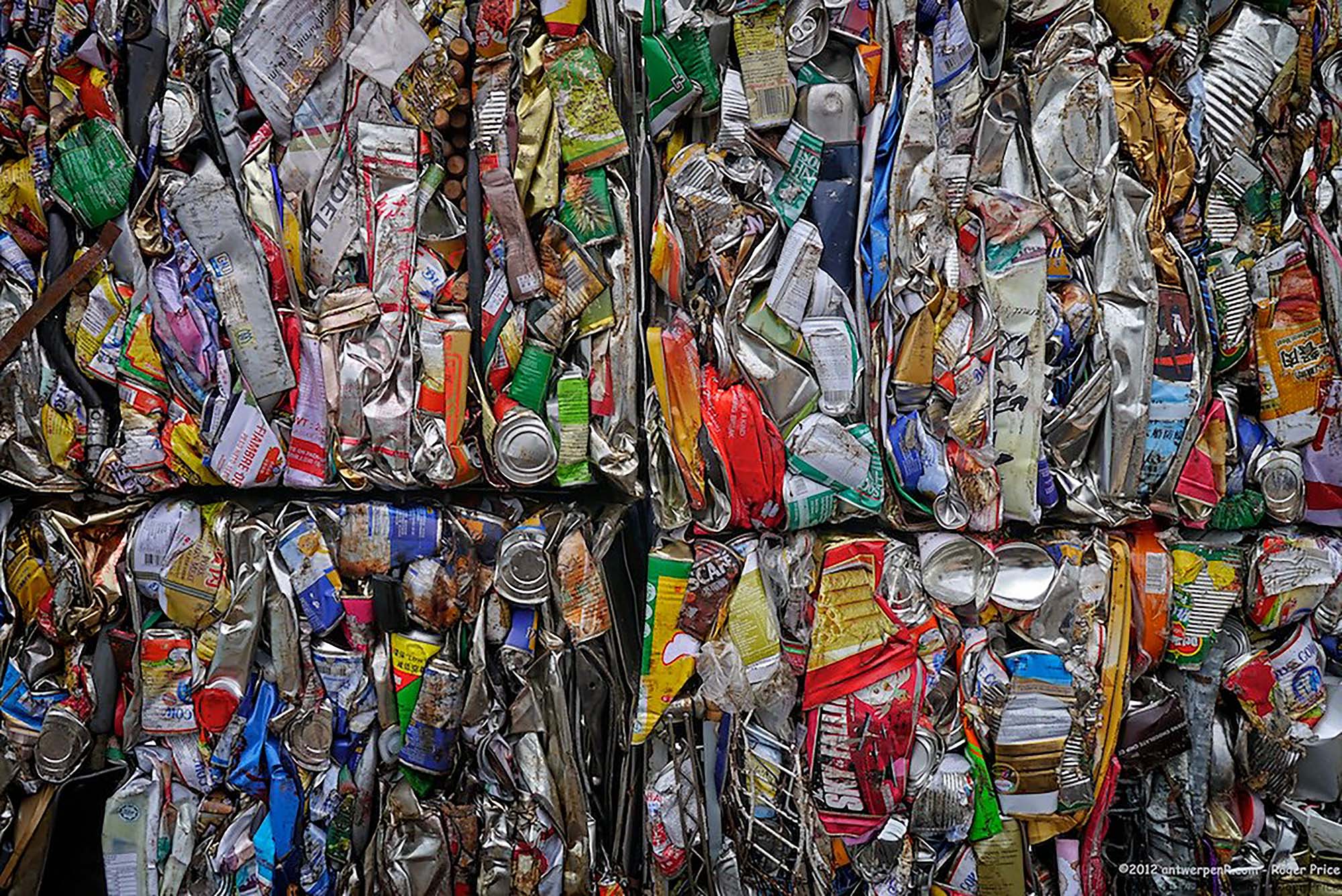
When It Comes to Bottles: Glass Is Good
About These Stories
YC runs intensive nonfiction writing programs for teens in New York City, where they’re mentored by a professional editor to write personal stories about their lives and about issues that affect young people. Their stories are then published and read by thousands of teens, educators, policymakers, and other adults who work with and for young people.