
“Gad e cold!” was my first thought after going through customs and walking outside. People were walking around the airport in shorts and tank tops and there I was, shivering in my borrowed coat.
Making the transition from the weather in Antigua to the weather in New York was one experience I could have done without. Even though it was August, I was freezing.
I had been to New York a couple of times before, and it wasn’t very dear to my heart. On one visit, my cousin and I were returning from the park one day, and as we were going into the elevator a man got on with us. When the doors opened on the fifth floor, he snatched my chain. He was never caught. New York still owes me a foureeen-karat-gold necklace.
New York is a great city, but it’s nowhere near as beautiful as Antigua, a small island in the Caribbean. My whole country could fit in the borough of Queens and there would still be room left over. But it has room for 365 beaches, one for every day of the year. (When it’s a leap year, you take a shower on the extra day and repeat the process all over.)
The water in Antigua is a beautiful deep blue-green, and the sands are white and gold. When you walk you feel the warmth right through your soul. At New York beaches the water is so murky you can’t even see your feet and the sand is just a few shades lighter.
A Market of Many Colors
I grew up in St. John’s, the capital. Every Saturday morning I used to wake up early to go to market. When I arrived, I saw people coming off buses from all over the island to buy fruits, vegetables, meat, and fish.
The market is like a huge kaleidoscope–reds of apples and beets; greens of okra, cabbage, fresh figs, and papaya; oranges of carrots,sweet patatoes and pumpkins; and yellows of grapefruits, pineapples, and bananas.
The meat and fish market is in a separate building. Here you see butchers in their stalls chopping up whole cows, their once-white smocks all bloodstained. Sometimes you have to hold your nose. Other vendors sit with big baskets filled with doctor fish, angel fish, snappers, barracuda, shark, crab, shellfish, and all types of seafood.
In Antigua we use what Mother Nature provides as best we can and try not to waste anything. I used to have mango, coconut, lime, tangerine, orange, passion fruit, soursop, and pear trees right in my backyard.
Compared To Antigua, New York Is a Dump
I miss being able to go out back and pick a fruit, wash it, and then eat it. In New York I can only dream of doing things like that. The people in my building use the little yard at the back as a convenient garbage dump.
Students here in New York are always complaining about how unfair the school system is, that they can’t do anything they want. But in comparison to the school system in Antigua, you people are living in the lap of luxury.
Here I’ll sit in class and watch students insult their teachers and think to myself, “They wouldn’t last a day in Antigua. They’d have more welts on their backs than a tiger has stripes.”
Teachers there don’t take any lip from students. In my old school if you had so much as the top button of your uniform (that’s right–uniform) open, you received one demerit. Three demerits equaled one detention, and every Thursday at 3 p.m. that’s where you’d find me.
In the primary school that I attended, two bells were rung after recess. At the sound of the first you were supposed to freeze, stop whatever you were doing.
Three Lashes Across My Back
When the second bell rang you went back to class. No side trips to the bathroom, and–as I found out the hard way–no side trips to buy candy. The first and last time I tried doing that, the headmaster caught me and I got three lashes across my back with his infamous belt.
It’s rare that you get beaten in secondary school, but it does happen sometimes. My brother’s headmaster would make students kneel on gravel and then beat them with a tamarind switch (a limb from the tree with the same name, with the leaves stripped off).
One reason I like New York is because if a teacher tried to do something like that, it would be the last time she raised her hand to anyone.
Parents in the U.S. are not as strict with their children as Antiguan parents either. American parents encourage their daughters’ interest in boys. They allow them to wear make-up at 13 or 14 and let them bring their boyfriends home to meet the family.
If you’re an Antiguan kid, you don’t talk to your parents about make-up before 16 or in some cases 18, and don’t talk to them about boys ever.
For the last four years I’ve been living in the Bronx and I must admit, I do enjoy being able to do certain things that I wouldn’t have dared to do in Antigua–like walking out of school anytime I want to without having to ask permission. But then I remember the things
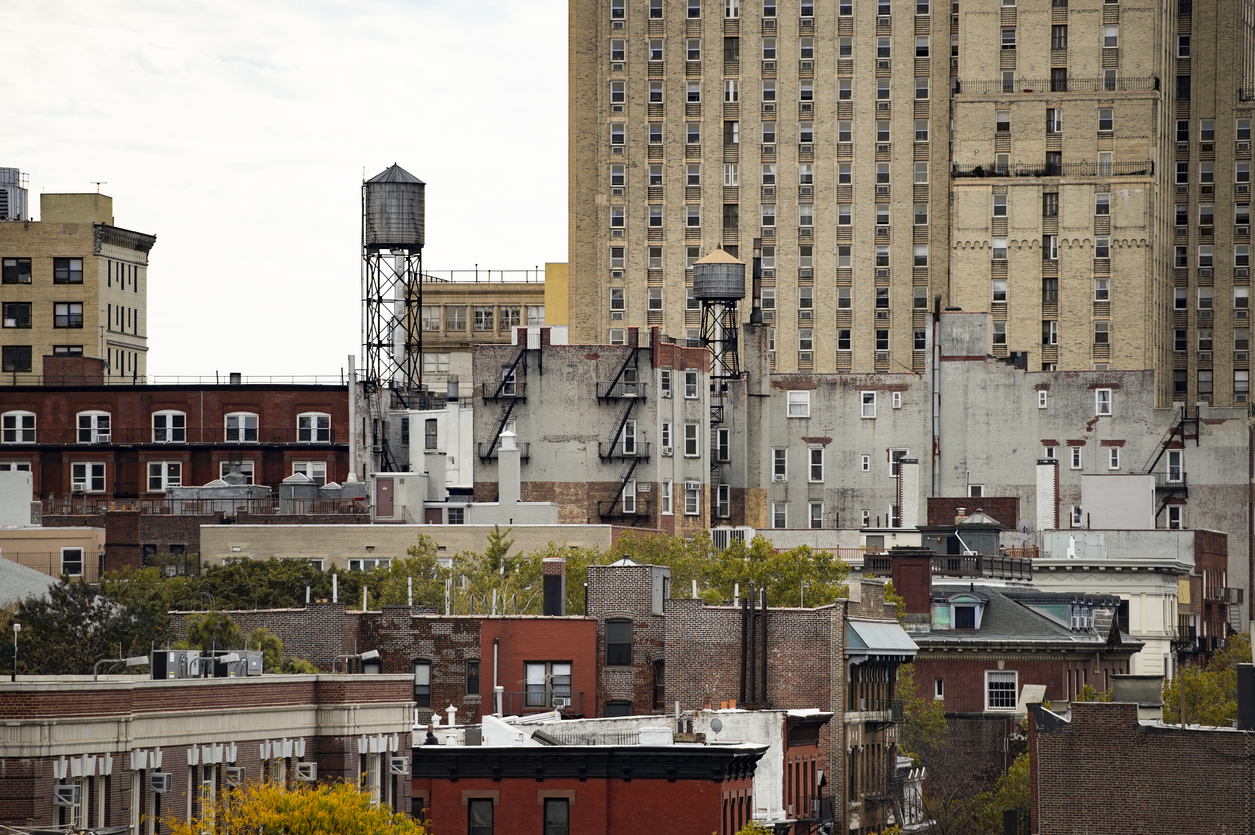
I miss most about Antigua is the open space. In New York all you see are big, ugly buildings and some garbage here and there to brighten the place up.
If Antigua had all the opportunities that New York has, I would be back there so fast that Superman would be the one asking if I was a bird or a plane.
SIDEBAR: Eating Large
The food in Antigua is typical of the West Indies. If it weren’t for the fact that my mother still cooks West Indian food, me sure me would a done they a bawl murder fu go back home. We have fungee, made by boiling cornmeal in water until it’s thick and then rolling it into a ball. (It’s mostly eaten with saltfish.) Ducana, my favorite, is made with grated sweet potatoes and coconut mixed into a batter with flour, milk, and sugar, wrapped in pieces of aluminum foil and boiled. Ducana is what the majority of Antiguans cook on Good Friday. Pepperpot is made with a whole variety of greens, vegetables and meats. We also make potato dumplings and fritters, a kind of pancake made from sweet potatoes, bananas, or pumpkin. To quench our thirst we make our own ginger beer (from scratch), passionfruit (made from the seeds of the fruit), soursop (this is made by squeezing the juice from the fruit and mixing it with milk, sugar, and flavorings), maubi (from the maubi bark), sorrel, rum punch, and guava juice.
Dancing in the Streets
All the islands in the Caribbean have an annual festival called Carnival. Ours takes place during the last week in July and the first week in August. At the official beginning of Carnival season, there’s a parade with majorettes (the cheerleaders), and different troupes dressed in brilliant and colorful costumes. Bands perform in the streets and there’s something for people of all ages. At night there are Queen Shows, kind of like a beauty pageant, except we have a section where they have to dress up in big costumes with wheels on them. There’s a teenage pageant, where different schools send a student, male or female, to represent them. Finally there’s the J.C’s Queen Show, where all the queens from around the Caribbean compete. And on the last Sunday night there’s the Calypso King competition. You usually don’t get home from this until late Monday because after the show comes jouvait morning where all the people just take to the streets with the bands playing and everyone jumping and dancing. The last day, called Last Lap, is the culmination of the whole celebration and is always full of energy and emotion.