
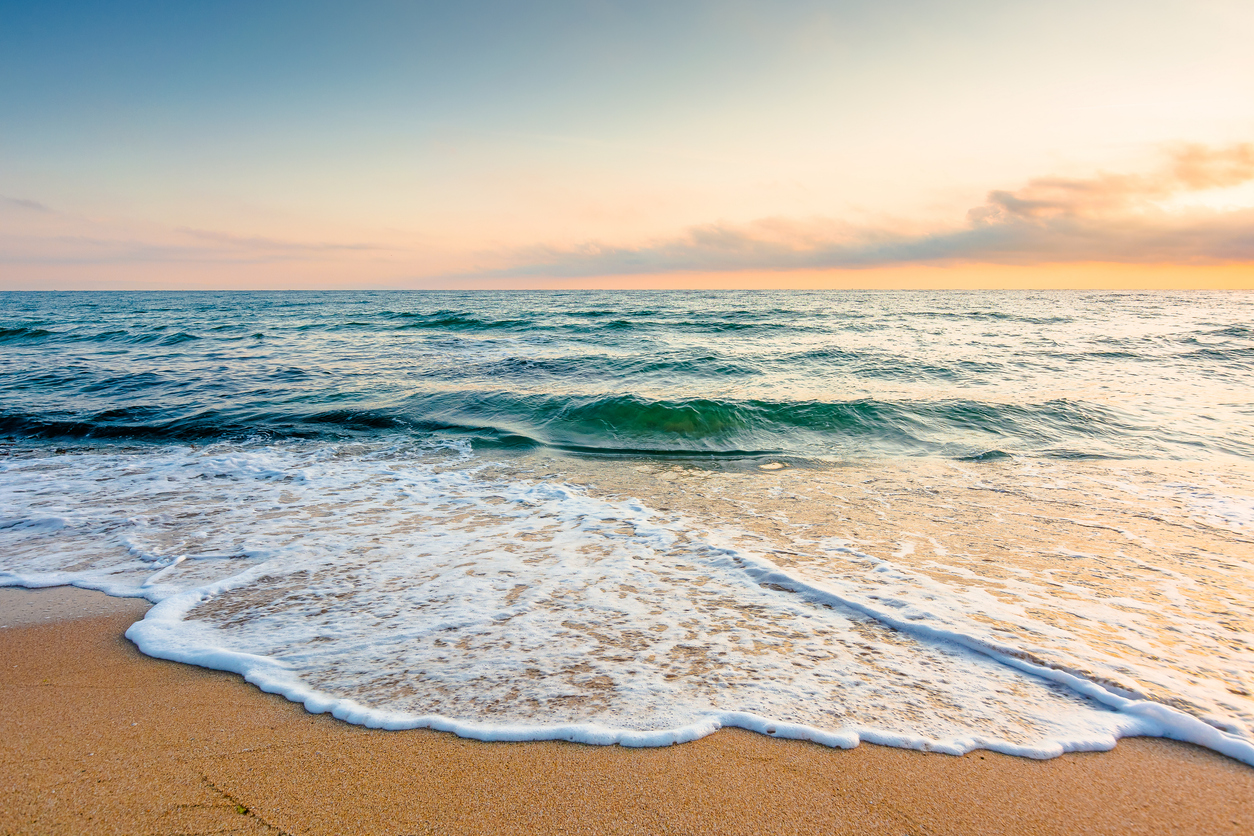
I live across the street from the Atlantic. Not Atlantic Avenue, not the Atlantic Deli–the Atlantic Ocean. My house is just a short block away from the Coney Island boardwalk and the beach.
In many ways Coney Island is like most of the poorer neighborhoods in New York City. It’s dotted with housing projects, bodegas, Chinese food places, and empty lots littered with broken glass. Most of the people who live there are black and Latino. It’s the kind of neighborhood the media like to call “high crime” or “low income.” What makes it different from any other ghetto are the beach, the boardwalk, and, of course, the rides.
But Coney Island used to be called “the world’s greatest playground.” When I was little there were four separate amusement parks: Steeplechase Park, Dreamland, Luna Park, and Astroland. One by one, they closed down and the housing projects went up.
I remember hearing stories about the Parachute Jump, an old metal ride whose skeleton still towers over the beach near my building. They say some cables snapped at the very top and people went plunging to their deaths. That’s why they closed it.
In those days, Steeplechase Park was filled with rides and games. I remember hiding behind my mother every time we passed this humongous swinging paper mache dragon that I could have sworn was eyeing me hungrily as we went by.
There was a game where you shot water from a gun into a clown’s mouth, making the balloon on top of his head blow up little by little until it popped, and another one where you tossed these red plastic rings onto a bottleneck. If you won, you got a cheap stuffed animal. There was also a fun house, with mirrors that distorted your body and a laughing fat lady dummy in the window.
The Tilt-a-Whirl
Some of those things are still around, but most are gone now. After they closed Steeplechase Park, my cousins and I used to sneak in and make our own amusement. We would get into the broken down Tilt-a-Whirl. One of us would sit in this little mushroom- shaped car and the others would push, making the whole thing spin around. It was pretty dangerous, messing with that old machinery, but we didn’t care.
Several years ago they tore out the Tilt-a-Whirl and everything else in Steeplechase Park and put in a running track and lots of grass where the stray dogs run. I walk my dog, Lola, on the beach and she plays with them.
Lola also used to play with the six or seven dogs who lived with the man in the old wooden house underneath the Thunderbolt, a broken down roller coaster. It must have been something else to be constantly rattled by a roller coaster directly over your roof.
Last spring, there was a fire in that old house. The man wasn’t hurt but his dogs died in the fire and the place was left a dark rectangular shell, a ghost, just like the structure above it. When I read about it in the New York Daily News, I cried. I used to pass by there all the time with Lola.
Astroland is still there though, and still fun (if a little expensive). Some of the rides are better than the ones at Great Adventure, especially the swinging pirate ship. But of course, the best is the Cyclone, that rickety, elderly roller coaster that has been a part of Coney Island for more than 60 years. All the newer roller coasters are made of metal and have real smooth rides, but the Cyclone is made of old wood and you feel every bump.
Every summer 4 million people come to Astroland, Deno’s Wonder Wheel Park, and the beach. Hordes of them come rushing out of the Stillwell Avenue subway station and invade the neighborhood. They come in waves-wearing swimsuits, tank tops and sandals, with a cooler in one hand and a radio in the other. The cars swarm down Surf Avenue near the boardwalk, fighting each other over a handful of parking spaces.
Garbage On the Beach
When they leave, they leave a mess. On the wooden planks of the boardwalk, they leave chewed-up ears of corn, greasy wooden shish-kebob sticks, half-eaten candy apples, and paper plates with leftover shrimp and french fries. The sidewalk outside Nathan’s (the original hot-dog stand) is littered with napkins smeared with ketchup, mustard, and relish. And the wood of the boardwalk next to the kiddie park is stained with all the oil and grease.
The beaches are in similar condition–at least the most popular spots–the ones right across from the rides and the aquarium and closer to Brighton. There, the beach is as flat as the boardwalk. The sand is covered with tiny broken seashells and packed down by the masses of people.
Farther down, near where I live, the beach is cleaner. The sand is soft and fluffy. Most people don’t dare venture that deep inside Coney Island, probably because they’re afraid.If you want to get an idea of what’s going on in my neighborhood, take a walk along the beach. You’ll see the usual crack vials, and many a used condom left over from those hot, romantic summer nights. I’ve also found candles on the big rocks by the water, and feathers peeking out of the sand, still attached to dead chickens. Some of the people in the neighborhood practice Santera, a Caribbean religion that mixes African religion with Catholicism–a little like voodoo.
A few homeless people find shelter under the boardwalk; they hang up sheets and lay out their old clothes, empty cans, and plastic bags full of things they’ve collected on the streets. Even though the boardwalk doesn’t provide them with walls, it does give them a roof over their heads. In the winter, they make fires on the beach and keep warm in tents. Some of them even have dogs, strays that probably approached them for food when they barely had any themselves.
It’s Not Romantic
At night, drug dealers hang out on the boardwalk and down below. The boardwalk is kind of scary at night. It’s big and quiet and lonely and you never know who or what is going to pop out at you. It’s not as romantic as you might think.
Still, I’ve always thought if you have to live in a bad neighborhood, live in Coney Island. Sitting on the boardwalk or walking on the beach, you can see the entire sky. There are no buildings to block the view, no car exhaust or smoke to fog up the sky, just the sun, wrapped in a patchwork of bright colors and pastels, nodding off into the sea.
SIDEBAR: Livin’ Large in Sea Gate
For me, Coney Island starts at Stillwell Avenue, the last stop on the subway, and ends at Sea Gate. Sea Gate is a very wealthy section at the tip of Coney Island. Most of the people who live there are Jewish. It’s protected by security guards posted at huge brick and metal gates. A tall, wire fence planted in the sand separates the Coney Island side of the beach from the Sea Gate side. Along with the guards and the gate, the fence helps keep out undesirables: anyone that doesn’t live there or hasn’t been invited by a Sea Gate resident. I’ve always wondered what would happen if you swam into Sea Gate. Sea Gate residents have a lot to protect. Once the gypsy cab I took missed my stop and dropped off a Sea Gate resident first. For the first and last time I got past the gates and got a glimpse of the neighborhood through the window. It didn’t even look like New York City, it looked like some place in Massachusetts: huge, three-story beachhouses with BMWs in the driveways and big wooden patios with stairs leading right down to the beach. They were isolated, breezy and romantic-right out of “Lifestyles of the Rich and Famous.” You would never guess that some of the poorest people in New York live only a few blocks away.