
Language is a powerful medium. As we all know, words can hurt and their impact can last for a long time.
For people with disabilities, names can be especially hurtful. Words can create negative perceptions or stereotypes about the disabled that destroy pride and self-esteem.
“Language is political and it communicates an attitude,” said Harilyn Rousso, a psychotherapist and consultant who has cerebral palsy, “so people should be careful of the words they choose.”
Rousso said that while it is important not to use pretty words that hide the truth about disabilities (she gave “physically challenged” as an example), it is just as important to be aware of the damaging impact of commonly used words.
Rousso said that like other oppressed people, people with disabilities begin to “feel bad about themselves when they are bombarded with negative terms.”
A Wheelchair Does Not Confine
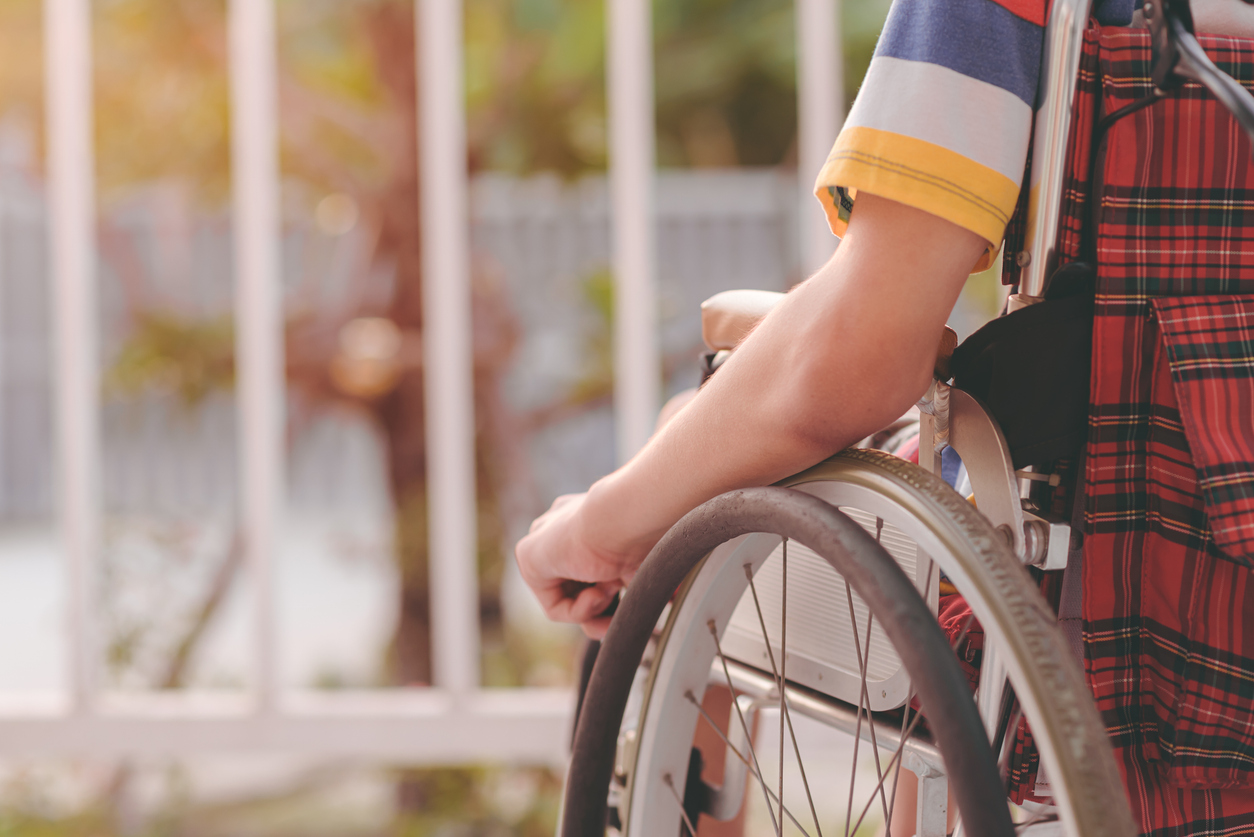
She cited such commonly used words and phrases as invalid, which suggests that a person is not valid and “confined” to a wheelchair, which misses the point. A wheelchair does not confine a person, Rousso said, but provides access and convenience to those who use it.
When we say things like “a cerebral palsy person” instead of a person with cerebral palsy, whether we realize it or not, we are being insensitive. Rousso said that people with disabilities are more complex than their disability, so we should not put the disability before the person.
She said that to say a person “suffers” from cerebral palsy or blindness or another disability is to suggest that the person is pathetic and tragic. “I have cerebral palsy but I don’t suffer from it,” she said.
Rousso wants each of us to remember to use words with care when talking about the disabled, because the words we use have a profound impact on how we see ourselves, and on how others see us.
Choose Your Words with Care
About These Stories
YC runs intensive nonfiction writing programs for teens in New York City, where they’re mentored by a professional editor to write personal stories about their lives and about issues that affect young people. Their stories are then published and read by thousands of teens, educators, policymakers, and other adults who work with and for young people.