
I didn’t think about what high school I wanted to go to until the ninth grade, because I wasn’t sure about what I wanted to do. What I did know was that I didn’t want to go to my zoned high school because everyone from my junior high school was going there.
All seniors in junior high received a high school directory, which had listings of all the public high schools in the five boroughs.
I decided that I wanted to go to a school where I could major in communications and journal-ism. The directory we received was vague and misleading, because the book only touched on certain areas of study, and descriptions of the majors were unclear.
For example, the directory stated that there was an entry exam for the high school I wanted, but all I did was list the schools I wanted to go to and I was accepted by my first choice without a test.
I was happy because I got the major I wanted, but had I been better informed about the school I attend now, I would have kept looking.
The’Decepticons’
Junior high did not prepare me academically for high school. The school atmosphere was so different from what I was used to. The classes were harder and the students were rude (that never changes). The school was bigger, there were more students, and the teachers were tougher on you.
There were the usual trouble makers, and there was even some kind of gang called the “Decepticons.” Freshmen were terrified because of the reputation the Decepticons had. They robbed people and intimidated the lower classmen. There were kids lingering outside the school and inside in the hallways, guards all over the halls, the escalators were not working the majority of the time, and it was always dirty in the halls and in the bathrooms.
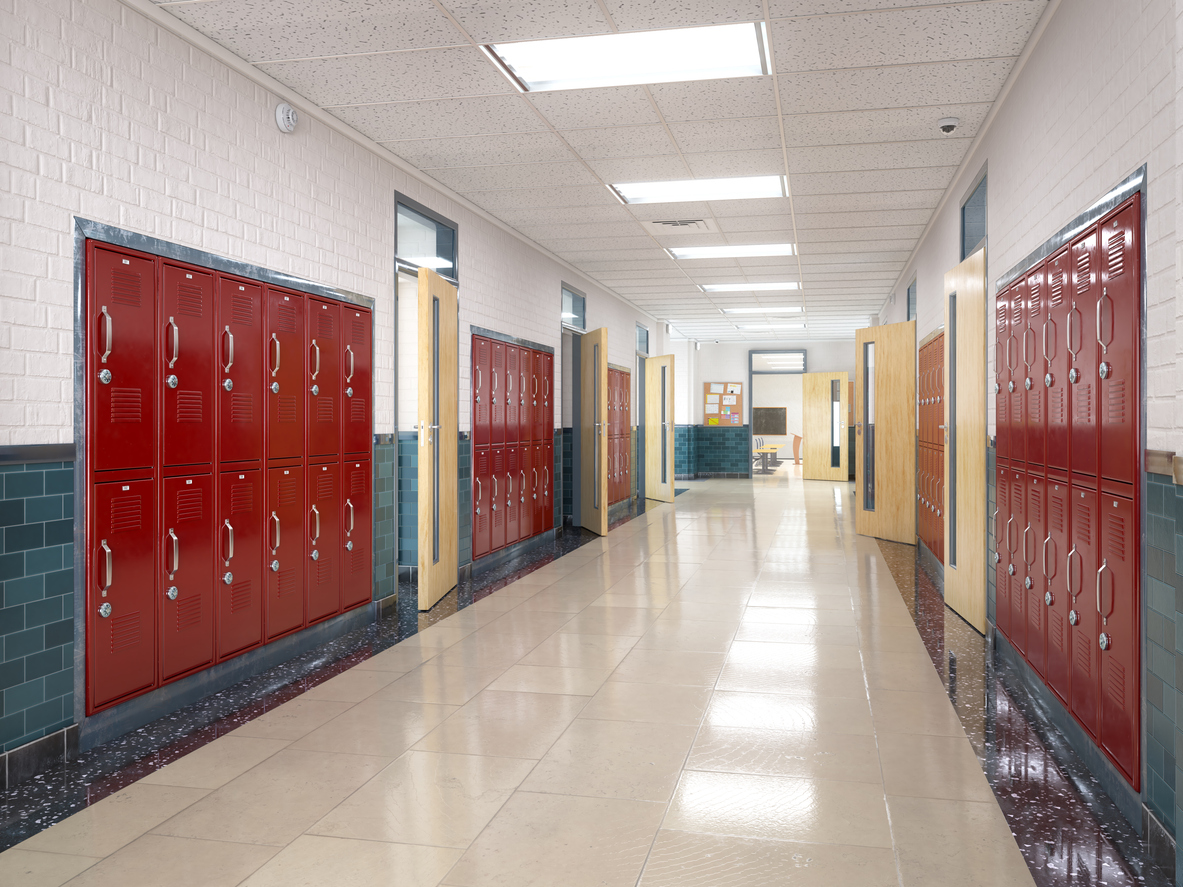
The lunchroom was sometimes rowdy and dirty too. Unlike some schools, we don’t have lockers except in the gym. Everyone hated carrying their books and coats around, especially in the winter.
Over the years, though, the school has changed for the better. There are still quirks in the school, but it’s getting there.
As in any school, there are some teachers who work for you and others who are just there. One teacher, who is also a dean, is a good example of a teacher who does his job and does it well. He is straightforward and doesn’t take any kind of crap from students or teachers.
There are some students who like to intimidate teachers and the teachers let them. In my 10th year, I had this English teacher, a sweet man, but everything he said or did was a big joke. I admit there were times I even took advantage of him, because I’m no angel, but some students got ridiculous.
Fights With Teachers
It’s true that at times there can be arguments between students and teachers, but it gets out of hand. For example, an English teacher at my school was kicked down the stairs by a student, and hung in the closet a couple of times.
Another time, my American studies teacher was punched in the face and a few of her teeth were knocked out. In junior high school a student might curse or swear at a teacher, but never hit her.
We as students can only make the best of what is taught, even though some teachers can’t teach for didly. We have the basic curriculum in our school. Reading, writing, and arithmetic; then we have shop (writing, printing, and journalism). We more or less get whatever our program says we get.
There are many different ways students themselves find ways to get what they need outside of school, but we shouldn’t have to depend on our own experimentation and research, because the high school curriculum is not providing it for us. We don’t get any college counseling classes and the senior advisor rarely helps us.
Classrooms are always either too full or too small in the beginning of the year, but by the second or third month everything smooths out. In some classes there aren’t enough books and supplies, so the teachers make do with what they have.
Who’s the Principal?
Junior high school didn’t prepare me for the hustle and bustle of high school. Whenever there was a problem in junior high, it was settled with no problems, and the atmosphere was calmer.
In my high school nothing gets done right until a parent or authority figure comes and puts pressure on them. It is very unorganized. I didn’t know who the principal was until I got tired of the runaround when I had a problem with my program and went to him.
My mother has had to come to school many times to help straighten out a problem in my transcript that was never fixed.
Guidance counselors give no guidance at all. There are times when the students are more confused after they leave their counselors than before they came in.
If I don’t go to see them on my own initiative and get what I need myself, the counselors don’t do anything for me. There aren’t enough counselors, and the ones we have are not effective at all.
Emotionally, I had a hard time dealing with different kinds of people (personality wise) in junior high school, so when I went into high school I thought people would be more mature. I was wrong-they were just as rude and obnoxious.
The only advice I have for teens preparing for high school is this: don’t rush into anything because of your friends, don’t rush into the school because of its hearsay reputation, and if you’re not emotionally or academically prepared, don’t worry-you’ll get into the swing of things. Do your best in junior high school.
Finally, choose a high school with the help of your parents and don’t make quick judgments.
In My High School, It’s the Survival of the Fittest
About These Stories
YC runs intensive nonfiction writing programs for teens in New York City, where they’re mentored by a professional editor to write personal stories about their lives and about issues that affect young people. Their stories are then published and read by thousands of teens, educators, policymakers, and other adults who work with and for young people.