
Have you ever cut a class? After cutting several times, you didn’t feel like going back, did you?
Well, you’re not alone-cutting is a growing problem among kids in the high schools.
Several schools in the city have set up programs to help truants get their acts together. At Brooklyn Technical HS located in the Fort Greene section of Brooklyn, the truancy or Holding Power class runs from eight to 12 p.m. every school day with classes usually no bigger than 30 students.
A Second Chance
“Truancy class is designed to give students who have a cutting, absence, or personal problem a second chance,” said Clarence McCollum, who teaches math in the program.
Truants in the program are closely watched. If a student is absent the school will immediately call or send a letter home to the parents.
“We try to get parents involved. We inform them about the child’s truancy, disguise the letters so kids don’t get them. Truants are taught in the same room all day and it’s easier for us to have access to them and their parents,” said Joseph Cuzzocrea, coordinator of the Holding Power program for nearly six years.
The program started eight years ago when the number of students who were not going to class surged. The truants were causing problems around the school, so school officials decided to round them up and put them into a program to keep tabs on them.
“Our main goal is to keep the kids in the school, get them back into the mainstream, and help them to graduate. We contact the parent, counsel the kid, try to find out why he/she hasn’t attended school,” said Cuzzocrea. “Some don’t attend because of class competition, peer pressure, family problems, or a bad experience with a teacher. The easiest thing for them to do is to turn away. The program tries to change this. All of the kids are great people, they’re all bright and intelligent. They just need guidance.”
Focus on Problems
“I treat the kids in truancy on a more informal basis than I would treat other students. The kids in Holding Power have problems that override concentration on academics. During a special guidance time in class we try to bring out the truant’s innermost problems,” said McCollum.
But how about the students in these truancy classes? How do they feel about the specially structured classroom environment?
“[It] is alright as far as the classes go, the teachers are cool. You get credits, but as far as getting anywhere in the school, it doesn’t mean too much,” said Alan Krigger, 16. “Teachers don’t treat me like an outcast, but when they teach they really push the lesson, almost like they’re enforcing it.”
There are, of course, problems that go along with the program. One of these is that other (mainstream) teachers don’t treat truants the same as other students once they get out of the program.
A teacher might say something like: “Oh, so you were a truant. Well, you will get to school every day, won’t you?” This could embarrass the student in front of her peers, causing her to cut again to escape ridicule.
“I have heard from many ex-truants that most faculty members did not know that the students were once in the truancy program. But after finding out their attitudes would change,” said McCollum.
70% Success Rate
The Brooklyn Tech truancy program has been a great success, with over 70% of truants rejoining the mainstream and doing very well. Although truancy programs vary from school to school they all have one thing in common-they exist to help the misdirected student find her way.
If you need help with attendance problems, speak to your guidance counselor about a truancy program in your school.
“It’s pretty good in class,” said Brian Scott, 16. “Teachers don’t look down on you, they treat you like any other student… After I get out of the truancy class my cutting will cease and I’ll do good.”
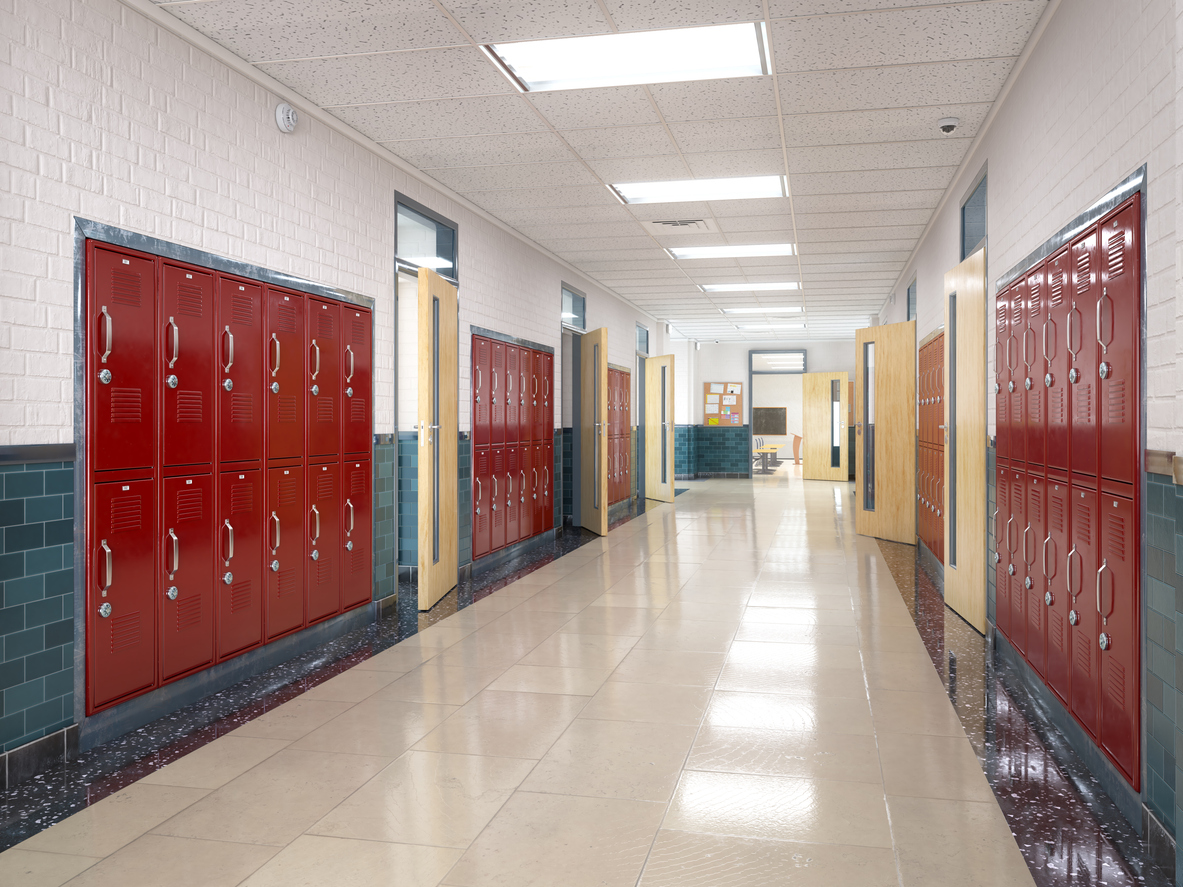
Holding Power Gives Truants Hope
About These Stories
YC runs intensive nonfiction writing programs for teens in New York City, where they’re mentored by a professional editor to write personal stories about their lives and about issues that affect young people. Their stories are then published and read by thousands of teens, educators, policymakers, and other adults who work with and for young people.