
Dr. Martin Luther King, Jr. was a Black man whom I would truly call supreme, because he made a pathway for many Blacks in America. One of them is me.
His dream is mine, and I want to make it real. I want to and I will reach the mountaintop, because success is here to claim.
However, King made it clear that you don’t get anything for free, and winning equality for Blacks was not the easiest thing in the world to do.
Yet he was brave, and he didn’t use violence. King was out for justice and not to kill.
“We will not match your capacity to endure suffering . . . We will not hate you, but we cannot . . . obey your unjust laws . . . We will so appeal to your heart and conscience, that we will win you in the process.”
This message gets to the point of the way King thought, and what his actions were about.
I also believe that if there is no justice, there won’t be any peace.
I am very aware of the racism that surrounds me, but King showed Blacks that they could be that outstanding individual who achieves goals, is proud, and looks to the future.
Although racism is very degrading, there is no reason to let the lowness of it get to your soul. Black is beautiful, and Black is brave. When you know this, you don’t have to be ashamed of who you are, because you’re in control.
King was assassinated in 1968, but his power lives on. This power is giving many Black youths the chance to explore dreams which couldn’t come true 60 years ago. We are making King’s power real with each day that goes by.
Since King, we’ve come a long way, but we have to keep on going to keep his dream alive.
For the love of King, we will take on the power to live as equals in society.
The Funeral of Martin Luther King, Jr.
By Nikki Giovanni
His headstone said
FREE AT LAST, FREE AT LAST
But death is a slave’s freedom
We seek the freedom of free men
And the construction of a world
Where Martin Luther King could
have lived and preached
non-violence
4-9-68
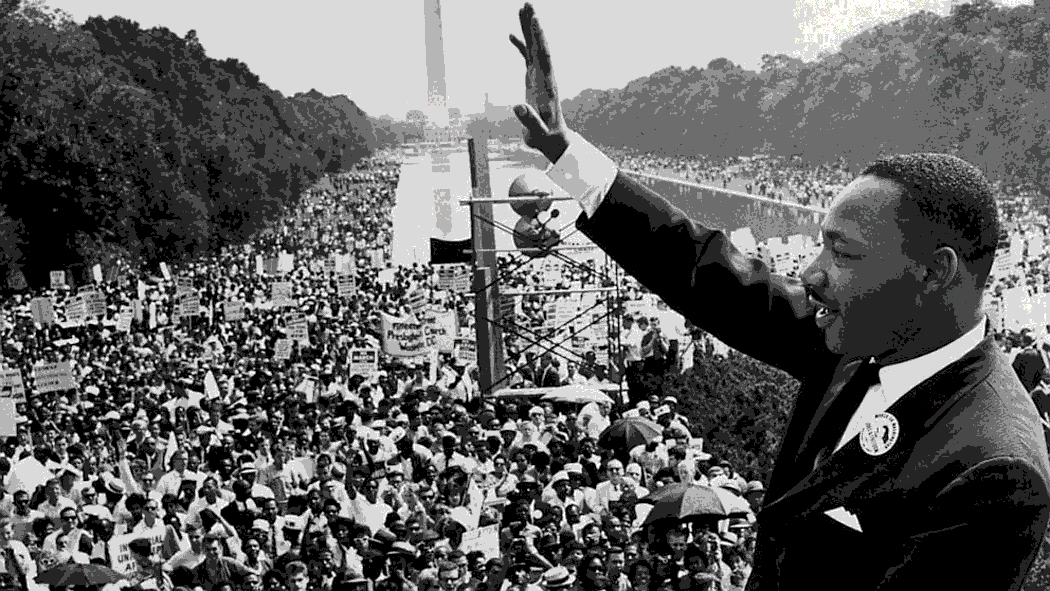
For the Love of King
About These Stories
YC runs intensive nonfiction writing programs for teens in New York City, where they’re mentored by a professional editor to write personal stories about their lives and about issues that affect young people. Their stories are then published and read by thousands of teens, educators, policymakers, and other adults who work with and for young people.