
Abuse in relationships is very common in today’s society. Whether it’s between parents and children, boyfriends and girlfriends, or husbands and wives in the privacy of their homes, it is still an issue which needs to be addressed immediately.
Beating up on each other seems to be the new drug of the ’80s, and addiction is always the end result.
In many households in America, parents punish and discipline their children to the point of abuse. Some of them don’t realize what they are doing until it is too late and the child is either psychologically scarred for life or dead.
What about a woman who is married to an abusive partner or is involved in a relationship with him? What can she do if he forces her to have sex with him? What if he threatens her with physical violence?
Violence At Home Every 18 Seconds
Violence in the home occurs every 18 seconds in the U.S. Most family violence is committed against women, and 95% of all assaults in marriages are committed by men.
Six million American women are beaten each year by their husbands or boyfriends, and 4,000 of them are killed.
In the United States, battering is the greatest cause of injury to women, more frequent than auto accidents, muggings, and rapes combined.
One in four female suicides were victims of family violence.
And children are the most emotionally traumatized by witnessing family violence. Many of them grow up to repeat the pattern as victims or abusers.
“Men who beat their wives also end up beating their children,” says Bartolo Hernandez, a parent/teen organizer with the Youth Action Program, which trains youth in leadership skills. “And the wives who are beaten tend to also beat their children.
“In dealing with violent relationships, the first thing we do is make sure the beating stops,” Mr. Hernandez continues. “We will get the girl out of that home and, if necessary, the police will be called in to ensure the safety of the girl while she gathers some of her clothing.”
‘It is Not Their Fault’
Women who are totally dependent on their men are often the ones to be abused. Because they have no means of independent support for themselves and their children (if they have children), they cannot leave, and this gives the men total control.
“One of the most important things we have to make known to the individual is that it is not their fault and they did nothing to provoke it,” says Moritza Bell, a Youth Action Program student organizer at JHS 45.
In a relationship with a girl who has little self-esteem, certain guys will often take advantage of the situation.
When he realizes that he has the upper hand, and that he can do anything he wants to the girl because she doesn’t seem to mind, he will go all the way, resorting to violence.
In explaining whether or not a girl is responsible for her boyfriend’s anger and abuse, Mr. Hernandez says:
“If a guy had been abused as a child, then the girl really doesn’t have to say or do anything to provoke his anger. He is brought up to think it is the right thing to do when he takes his anger out on the weaker members of his family.”
Ms. Bell adds, “Unfortunately, the guy will most often choose to apply negative reinforcement. He has been developed into thinking that because he is a man, the only way for him to solve a problem is by using violence.”
Violence in homes has been linked to economic problems. If the husband is out of a job, he may take his frustrations out on his family, by either sexually or physically abusing his wife or his children.
Fortunately, there is a law that protects a woman from a violent husband. If he forces her to have sex with him, she can have him arrested.
Beatings At Age 13
Mr. Hernandez says he can’t say if abuse in relationships has been increasing or decreasing. “But I do know that it has become more open and brutal,” he adds.
“I remember when I was 13 and my parents beat me, but I didn’t leave, I stayed for three years, and when I was 16 I left and went on public assistance,” says 23-year-old Maria Matta, who is now an assistant coordinator of an after-school program at the Youth Action Program.
“I think my parents had some sort of mental illness and drug problem. Maybe that’s why they abused me so much,” she continues. “I can remember ever since I was three, I was in a group home until I was 10. Then they took me out and sent me to live with that woman they call my mother.
“I still remember all the things they have done to me and I still can’t believe it,” continued Maria. “I think they are sick, and what I feel toward them is hatred. But you grow up and deal with life as you go along. Some people say forgive and forget, but that’s stupid. It just doesn’t work.
“I think I am doing pretty good. I’m doing a lot of things others can’t do. I feel I can say I like myself. I could even go as far as to say I love myself,” she adds.
The Victim Services Agency is available to assist anyone who has been a victim of crime, whether it’s domestic violence, rape, or robbery.
They have a 24-hour hotline (212-577-7777) which provides free services, counseling, and information. They also offer services to runaways, families of homicide victims, children and youth, and the elderly.
Victims of violence can also contact any of the organizations listed below for further assistance.
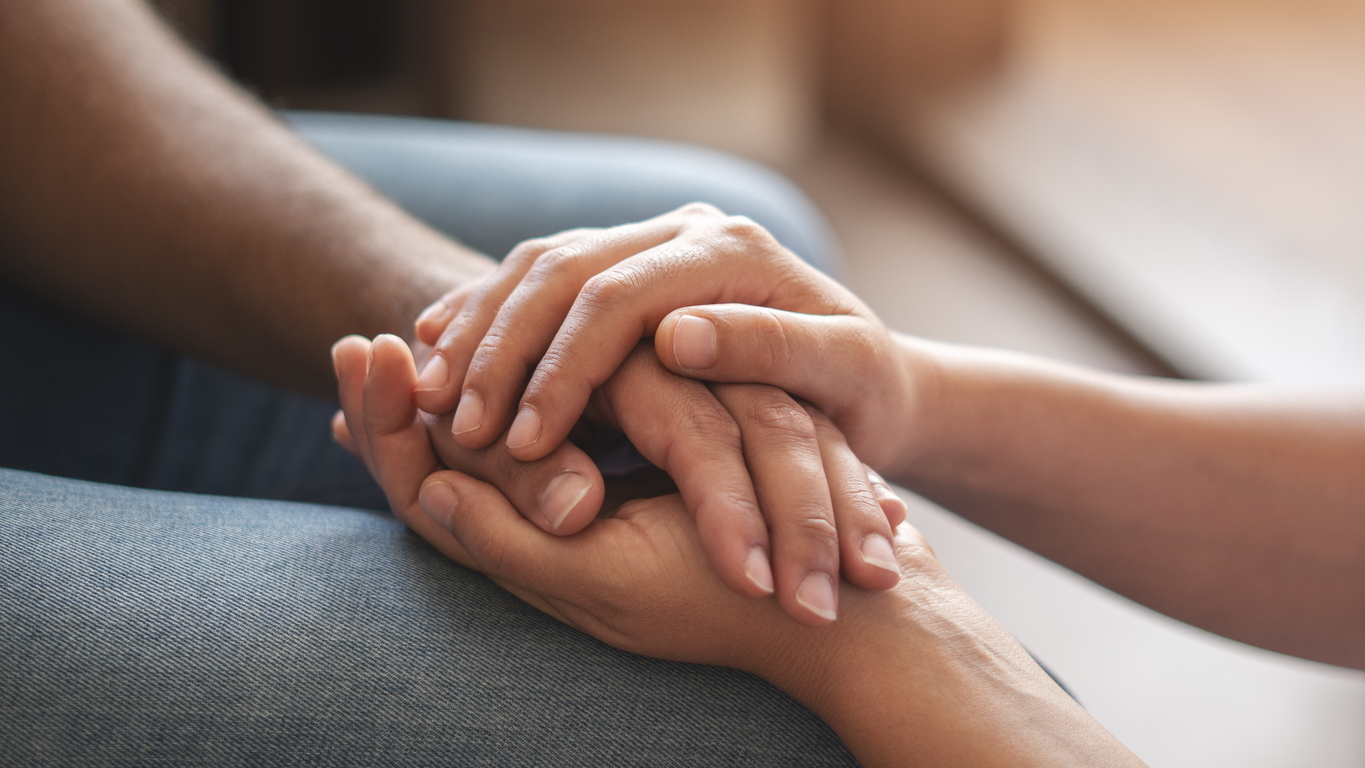
Violence and Abuse Are Too Common in Relationships
About These Stories
YC runs intensive nonfiction writing programs for teens in New York City, where they’re mentored by a professional editor to write personal stories about their lives and about issues that affect young people. Their stories are then published and read by thousands of teens, educators, policymakers, and other adults who work with and for young people.