
“I became a vegetarian after reading two books,” says Retha Powers, 18, of Humanities HS. “One was’The Jungle’ by Upton Sinclair, and the other was a book by Malcolm X.
“In the book by Sinclair, there were vivid descriptions of how meat was kept,” says Powers. “There was this particular scene where he described a meat locker where rats were running around and there was rat dung on the sides of beef. The conditions were really unsanitary, and people just seemed to accept this.”
“I was influenced by my older sister,” says Marissa Liberi, 17, of Humanities HS. “She used to bring me all these pamphlets about how they kill animals and inject them with chemicals to make them bigger and tastier.”
There are many different reasons-social, cultural, economic, and personal-why teens become vegetarians. But whatever the reason, many teens become vegetarians without knowing how to balance their nutrition properly.
“These days, every other person says,’Oh yeah, I just turned vegetarian,'” remarks Enid Abrahami, 17, Humanities HS. “It has become trendy and a fad, because they are becoming vegetarians and they don’t even know what to eat or how to eat it.”
Humanitarian Reasons
Like Powers, Abrahami has been a vegetarian for two years. Abrahami said she became a vegetarian for humanitarian reasons
“The way it used to be was that there were small farms and the cattle would graze and they lived a happy life until they were killed,” points out Abrahami. “But now it’s so industrialized that if a veal calf had an itch on his back, he couldn’t even scratch it because his pen is so small.
“They don’t want chickens to peck at each other, so they grind their beaks, and if they are not careful they could just grind a little too much. There are so many chickens together that if one had a disease, the others might get it, and they don’t want to kill all of them and lose their profit, so they don’t,” Abrahami complains.
Abrahami was also influenced by a family member.
“My aunt has been a vegetarian for 10 years,” explained Abrahami. “I think her whole attitude influenced me. Both my parents eat meat and they don’t want to hear or talk about what happens to these animals.”
Not all vegetarian teens have such clear reasons. “A lot of teens have become vegetarians without really knowing why,” says Powers. “I know a lot of people who claim to be vegetarians, and then they eat things made with animal shortening, like certain snack foods.”
If vegetarianism has become a trend these days among teenagers, what does that mean? What kind of nutritional or social problems might they have?
Concerns of Parents
Some parents don’t take kindly to their children changing their eating habits so drastically. They worry about the nutrition that their sons and daughters are getting and some worry about the inconvenience of the change.
“My mother would get really mad,” Powers said. “She thought it was ridiculous that my brother and I wouldn’t eat meat. She doesn’t understand, so she gets mad.”
While some parents react with anger, other parents are consoled when they see that their kids are handling it well, as in the case of Liberi.
“In the beginning, my mother gave me a hassle,” remembered Liberi. “But after she saw that I was eating right and that I got my protein, she left me alone.”
Getting Enough Protein
Meat is a very good source of protein, so vegetarians must be careful in choosing foods that they eat to fulfill their protein requirement.
“I get my protein by combining beans and rice,” says Liberi. “I eat a lot of tofu (sort of like custard made from soybeans) because I like it. I also eat a lot of cheese, milk, peanut butter, fish, and nuts. These are all great protein sources. I get a lot of recipes out of health books.”
Abrahami substitutes a lot of dairy products, another great source of protein.
“I eat dairy products. I don’t like fish, so I eat a limited supply of seafood. I also eat a lot of tofu,” says Abrahami.
Another problem these teens face is a lack of vegetarian foods in restaurants that teens often go to, like fast food joints. And the places where they can go and enjoy a vegetarian meal are not advertised, so a lot of searching has to be done.
“In the beginning I was going to places where they mainly served meat dishes and it was hard to find things to eat,” says Powers. “But when I started experimenting with different restaurants, I found a couple that I go to regularly.”
What to Eat at School?
Another place where vegetarian teens cannot find much to eat is school. Most school lunches consist of meat, from hamburgers to bologna sandwiches. As Powers says, how many cheese sandwiches can one person eat in a week?
“I can never eat anything at lunch, I always have to bring my own,” complains Liberi. “I don’t think it’s fair that they don’t include vegetarian lunches.”
Well, some of the schools do seem to have meals for the vegetarian students.
“Just about every high school in New York has a salad bar,” said David Liss, special assistant for communications at the Board of Education.
Even though teen vegetarians face a lot of problems, most of them say that they feel better after their change of eating habits.
“I feel a lot better now, less weighted down,” said Abrahami. “I’d like it if everyone was a vegetarian, but if it’s forced upon someone, then they will resent it. Everyone makes their own decisions.”
And these teens surely have made their own decision to be a vegetarian, to try to be healthier no matter what the hassles might be.
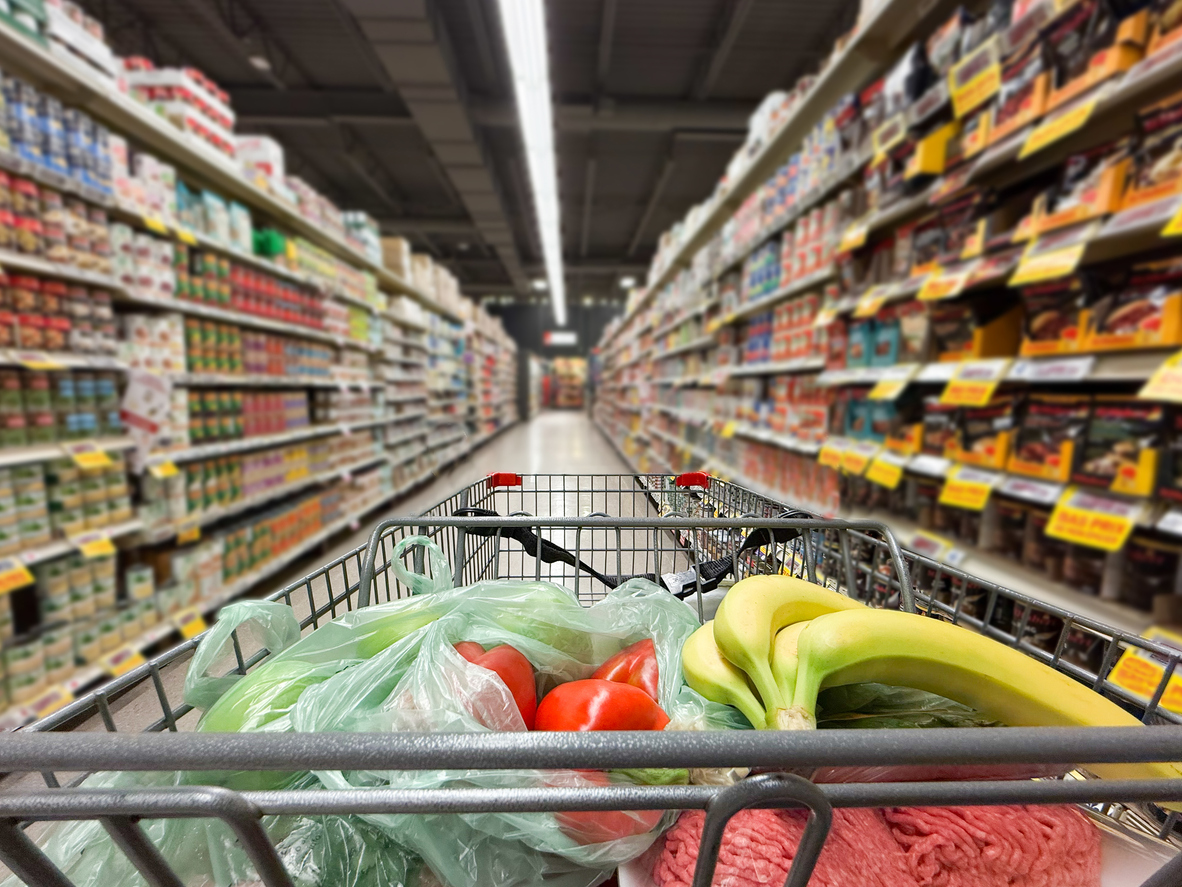
Teen Vegetarianism: Belief or Fad?
About These Stories
YC runs intensive nonfiction writing programs for teens in New York City, where they’re mentored by a professional editor to write personal stories about their lives and about issues that affect young people. Their stories are then published and read by thousands of teens, educators, policymakers, and other adults who work with and for young people.